Lake Titicaca: A Marine Biologist's Call for Con...
Lake Titicaca, a name that whispers of ancient cultures and breathtaking landscapes. As a marine biologist, I’ve explored aquatic ecosystems around the globe, but this high-altitude gem nestled between Peru and Bolivia holds a unique place in my heart. My recent journey to Lake Titicaca wasn't just a trip; it was a poignant reminder of the urgent need for conservation, a cause I dedicate my life to. From the vibrant traditions of the Aymara people to the critically endangered Titicaca water frog, this lake is a treasure worth protecting. Come with me as I share my experiences and, more importantly, issue a call to action.
A Breathtaking Landscape at the Roof of the World
The Altiplano is vast, a seemingly endless plain stretching towards the horizon. The air is thin here, a constant reminder of the altitude, and the sun beats down with an intensity I’ve rarely experienced. Yet, the landscape is captivating. Lake Titicaca shimmers under the Andean sun, its deep blue waters reflecting the snow-capped peaks of the Andes Mountains. The sheer scale of it all is humbling. This high-altitude ecosystem is like no other, a fragile balance of life adapted to harsh conditions.
Immersed in Aymara Culture on Isla Taquile
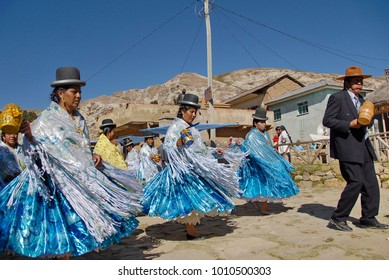
My journey took me to Isla Taquile, an island where the Aymara people have preserved their traditions for centuries. I was fortunate to witness a traditional Aymara ceremony, a vibrant explosion of color and sound. The intricate textiles, woven with symbols that tell stories of their ancestors and connection to the lake, were mesmerizing. The deep spiritual connection between the Aymara and Lake Titicaca is palpable; they view the lake as a living entity, deserving of respect and protection. It's clear the Aymara people have invaluable insight into Lake Titicaca and its local ecosystem.
A Crucial Mission: Conserving the Titicaca Water Frog
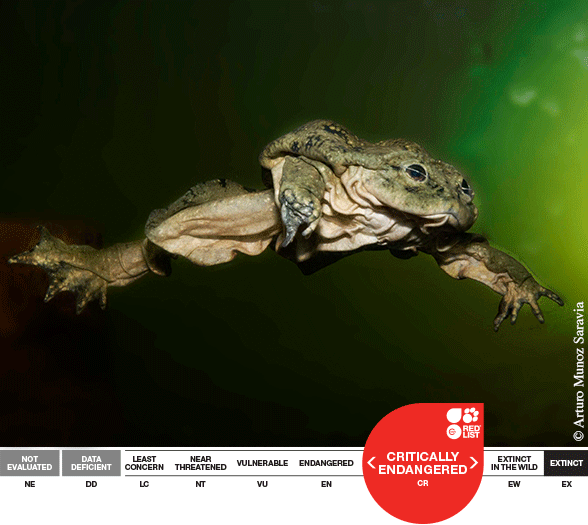
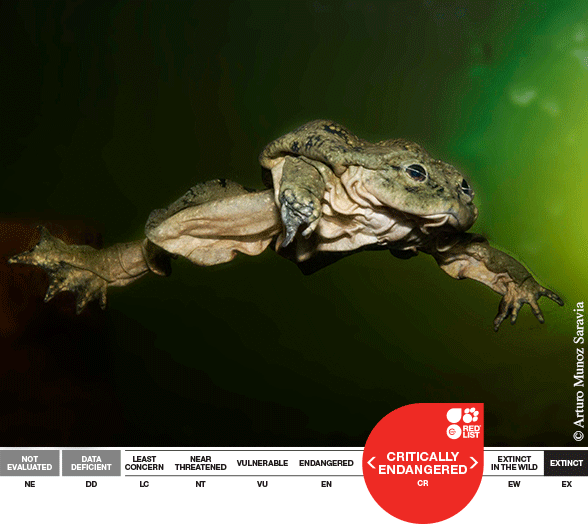
One of the primary reasons for my visit was to participate in a research project with the Asociación Armonía, an organization dedicated to protecting Bolivia’s biodiversity. Our focus? The Titicaca water frog (Telmatobius culeus), a species found nowhere else on Earth and sadly, critically endangered.
This remarkable frog, often referred to as the "scrotum frog" due to its loose, baggy skin (necessary for cutaneous respiration at high altitude where oxygen is scarce), faces numerous threats. Pollution from untreated sewage and mining runoff contaminates the lake, impacting water quality and frog health. Habitat loss due to shoreline development and agricultural expansion reduces the available space for these frogs to thrive. Furthermore, invasive species, such as trout introduced for fishing, prey on the tadpoles and compete for resources.
The conservation of Telmatobius culeus is crucial for several reasons. As an indicator species, their health reflects the overall health of the lake's ecosystem. Their decline is a warning sign of a larger ecological imbalance. Moreover, biodiversity is intrinsically valuable. Every species plays a role in the complex web of life, and the loss of even one species can have cascading effects. By protecting the Titicaca water frog, we are protecting the entire ecosystem.
What is Asociación Armonía doing to protect Lake Titicaca?
Asociación Armonía is working to protect Lake Titicaca by conducting studies on biodiversity threats, working with locals to implement strategies for the protection of the water frog, and promoting sustainable tourism initiatives.
Ingenuity and History: Floating Islands and Ancient Towers
Beyond the scientific research, I explored the cultural wonders of Lake Titicaca. Kayaking among the floating Uros Islands was an experience I'll never forget. These islands, constructed entirely from totora reeds, are a testament to the ingenuity and resourcefulness of the Uros people. They continuously replenish the reeds, maintaining the islands and their homes. It's an intricate dance between humans and nature, a delicate balance that deserves our respect.
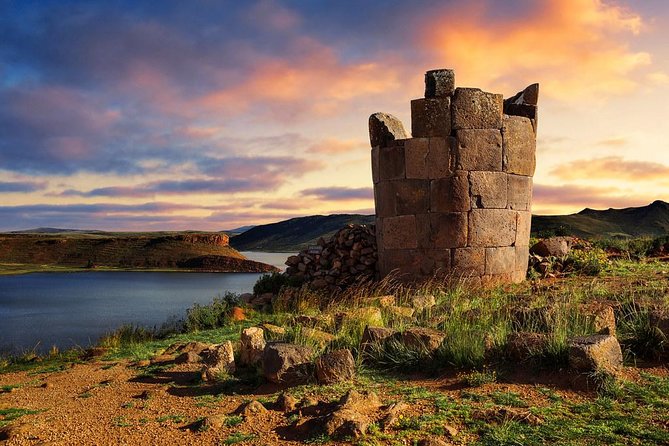
I also visited Sillustani, a pre-Incan burial site near Puno. The towering chullpas, or burial towers, are impressive structures that stand as silent witnesses to the region's rich history. Watching the sunset paint the chullpas in golden light was a truly magical experience, a reminder of the enduring legacy of the civilizations that have called this region home.

Replace with a panoramic view of Uros Islands

Replace with a real Sillustani picture
Stargazing Under the Andean Sky
The high altitude and clear skies of Lake Titicaca make it an ideal location for stargazing. Away from the light pollution of cities, the night sky explodes with stars. Being in the Southern Hemisphere, I was able to see constellations that are invisible from my home. It's an experience that connects you to the universe and reinforces the sense of wonder that Lake Titicaca inspires.
A Taste of the Andes: Local Dishes
No trip is complete without sampling the local cuisine. I savored Trucha Frita (fried trout), Quinoa Soup, and Api (a hot corn-based drink) in the local markets. The freshness of the ingredients and the traditional preparation methods made these dishes incredibly flavorful.
It's important to note that the trout, a non-native species, has impacted the lake's ecosystem. However, many local fishermen are now adopting sustainable fishing practices to minimize their impact and ensure the long-term health of the lake's fish populations. This is an example of how conservation efforts can work hand-in-hand with supporting local livelihoods.

Replace with Trucha Frita Picture

Replace with Quinoa Soup Picture

Replace with Api Picture
A Call to Action: Protecting Lake Titicaca
My journey to Lake Titicaca was a powerful reminder of the beauty and fragility of our planet. This unique ecosystem, with its vibrant cultures and endangered species, is facing numerous threats. But there is hope. By supporting sustainable tourism initiatives and contributing to conservation efforts, we can help protect Lake Titicaca for future generations.
I urge you to consider making a donation to Asociación Armonía [www.armonia-bolivia.org/en/] or The Nature Conservancy [www.nature.org]. These organizations are working tirelessly to protect Lake Titicaca's biodiversity and support the local communities that depend on it. By choosing responsible tour operators, reducing your environmental impact, and supporting local businesses, you can make a difference.
Lake Titicaca is a treasure worth protecting. Let us all do our part to ensure that this magical place continues to inspire and sustain life for years to come. As a marine biologist, I've seen firsthand the devastating effects of environmental degradation. But I've also witnessed the power of conservation when communities, scientists, and travelers come together to protect our planet's precious ecosystems. Please join me in supporting these critical endeavors and helping to protect Lake Titicaca's unique ecosystem and the Titicaca water frog. Let your visit be a part of the solution, not the problem.