Lake Bled and the Julian Alps: A Geologist's Par...
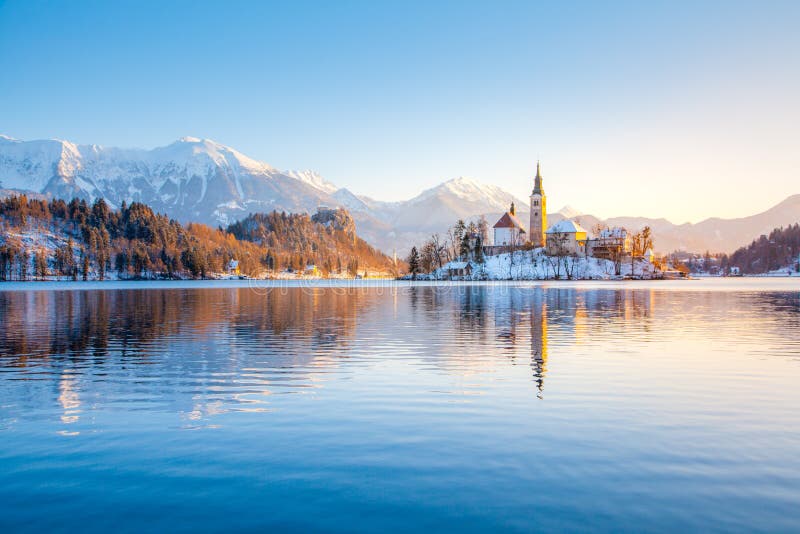
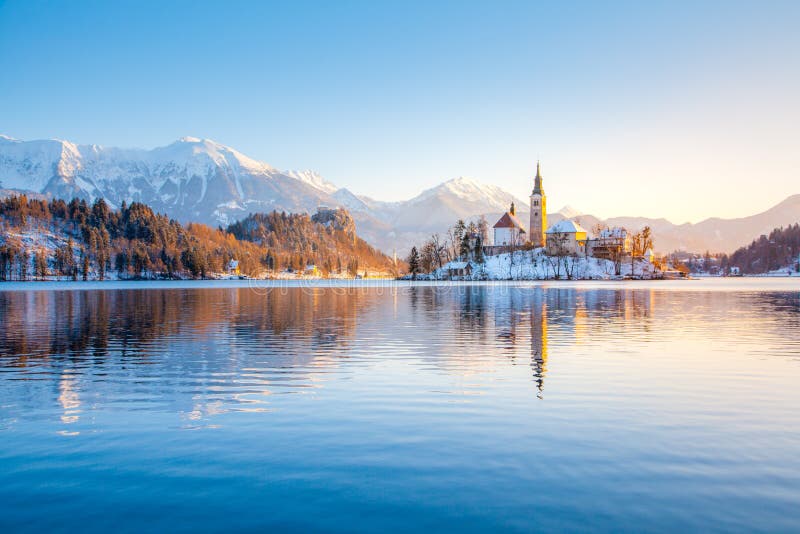
The first glimpse of Lake Bled took my breath away. After a lifetime spent studying rocks and formations, and more recently, capturing them through the lens of my camera, I knew I had stumbled upon something truly special. The turquoise water, the iconic island church, and the dramatic backdrop of the Julian Alps all conspired to create a scene of unparalleled beauty. But for me, a retired geologist with a newfound passion for landscape photography, it was more than just a pretty picture. It was a story written in stone, a testament to the powerful forces that have shaped this landscape over millennia. Join me as I delve into the geological wonders of Lake Bled and the Julian Alps, a true geologist's paradise.
Hiking the Vintgar Gorge: A Glacial Masterpiece
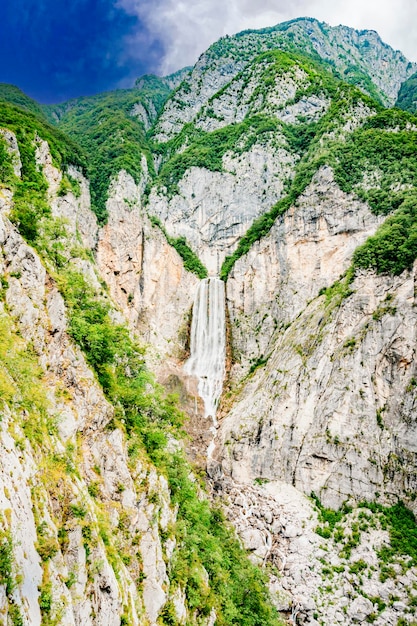
One of my first excursions was to the Vintgar Gorge, a narrow canyon carved by the Radovna River. The hike through the gorge is an experience in itself, with wooden walkways clinging to the steep rock walls and the turquoise waters rushing below. But for a geologist, it's a chance to witness the power of glacial erosion firsthand. The exposed rock layers tell a story of time and pressure, with the smooth, polished surfaces a clear indication of the glacier's relentless passage. The Radovna River continues the work, further shaping the gorge and revealing the secrets of the rock.
What type of rock is Vintgar Gorge? The dominant rock type in the Vintgar Gorge is limestone, which is highly susceptible to erosion by water, especially water containing dissolved carbon dioxide. This chemical weathering, combined with the physical force of the Radovna River, carved out the spectacular gorge we see today.
Rowing to Bled Island: A Geological Perspective
No visit to Lake Bled is complete without a trip to Bled Island. Rowing a traditional Pletna boat across the still waters is a unique experience. Stepping onto the island, one is immediately drawn to the iconic church. But, as a geologist, I was more interested in the island's composition. The island itself is a small, isolated outcrop of rock, likely composed of similar limestone to that found in the surrounding area. Its resistance to erosion has allowed it to remain while the surrounding land was worn away by glacial activity, creating the picturesque island we see today. Bled Island history and geology are intrinsically linked; the island's very existence is a product of geological processes acting over vast stretches of time, influencing human settlement and the island's rich cultural heritage.
Exploring Bled Castle: A Vantage Point in Time
Perched high above the lake, Bled Castle offers stunning panoramic views of the surrounding landscape. While the castle's history and architecture are fascinating, it's the geological features visible from this vantage point that truly captivated me. From here, you can clearly see the glacial valleys that carve through the Julian Alps, testament to the immense power of ice. The surrounding terrain is a patchwork of forests and fields, shaped by the forces of erosion and deposition. I spent hours capturing the landscape from the castle walls, trying to convey the geological history etched into every ridge and valley.
Visiting the Triglav National Park Information Centre: Unveiling Geological Treasures
A visit to the Triglav National Park Information Centre in Bled is a must for anyone interested in the region's natural history. While the centre showcases the park's diverse flora and fauna, I was particularly interested in learning more about its geology. What geological features are in Triglav National Park? The park is a treasure trove of geological features, including karst formations, glacial valleys, and towering peaks.
Triglav National Park protects these important features, ensuring that future generations can appreciate the geological history of the region. I highly recommend stopping by the centre to learn more and plan your own geological explorations within the park.
Ojstrica Viewpoint: Capturing the Julian Alps in all its Glory
For a truly breathtaking view of Lake Bled and the Julian Alps, hike up to the Ojstrica viewpoint. Ojstrica Viewpoint photography tips: The trail starts near the Camping Bled. From the main road turn into the Kidričeva ulica road, then follow the signs for Ojstrica. The trail is steep but relatively short, taking around 20-30 minutes to reach the top. From there, you'll be rewarded with a panoramic vista that stretches across the lake, Bled Island, and the majestic Julian Alps. The geological formations of the Julian Alps are particularly striking from this vantage point. You can clearly see the U-shaped valleys carved by glaciers, as well as evidence of karst topography, such as sinkholes and underground drainage systems. This is a perfect spot for landscape photography, especially during the golden hour when the light bathes the mountains in a warm, golden glow.
Food and Drink Recommendations: A Taste of Slovenia
No trip to Slovenia is complete without sampling the local cuisine. Here are a few recommendations:
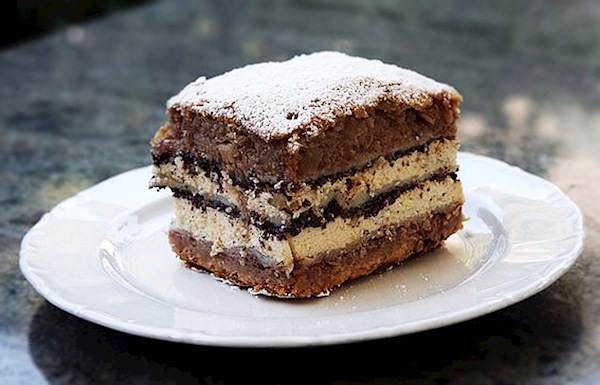
- Kremšnita (Bled Cream Cake): You must try the Kremšnita at Slaščičarna Zima. This creamy, decadent cake is a local delicacy and a perfect treat after a day of exploring. Its creamy texture contrasts beautifully with the crisp, flaky crust, a true testament to Slovenian culinary artistry.
- Jota (Slovenian Stew): For a hearty and flavorful meal, try the Jota at Gostilna Murka. This traditional stew is packed with beans, sauerkraut, potatoes, and smoked meat, perfect for a cold day.
- Local Wine: For wine lovers, I recommend visiting Pulec Winery in the Gorenjska region. Pulec Winery Lake Bled wine tasting offers a fascinating insight into the winemaking process. You can take a tour of the vineyards and cellars and learn how the region's unique soil and climate contribute to the wine's distinctive flavor. The winemaking process at Pulec winery is very fascinating; they use ancient and modern techniques to prepare unique wines.
Kremšnita and Gorenjska wine pairing: Consider enjoying your Kremšnita with a glass of local dessert wine from the Gorenjska region. The sweetness of the wine complements the creamy texture of the cake, creating a delightful culinary experience.
Conclusion: Discover Your Own Geological Paradise
Lake Bled and the Julian Alps are a geologist's paradise, offering a unique blend of natural beauty and geological history. From the glacial carvings of Vintgar Gorge to the towering peaks of the Julian Alps, this region is a testament to the power of geological forces. So, pack your hiking boots, grab your camera, and come explore the geological wonders of Slovenia for yourself!
Ready to embark on your own Slovenian adventure? Discover the geological wonders of Lake Bled and the Julian Alps. Share your experiences and photographs in the comments section using #SlovenianGeology.
Resources: