Kyoto's Sacred Flavors: A Beginner's Guide to Sh...
Kyoto, the ancient capital of Japan, is renowned for its stunning temples, serene gardens, and, of course, its exquisite cuisine. Beyond the well-known ramen and sushi, Kyoto boasts two unique culinary treasures: Shojin Ryori, the art of Zen Buddhist vegetarian cuisine, and Yatsuhashi, a traditional sweet with a history as rich as its flavor. If you're planning a trip to Kyoto and want to delve deeper into its cultural offerings, understanding these sacred flavors is a must. This guide will introduce you to the essence of Shojin Ryori and Yatsuhashi, offering a glimpse into their history, preparation, and where to experience them firsthand. Let’s explore the delicious and spiritual side of Kyoto!
Unveiling Shojin Ryori: Zen on a Plate
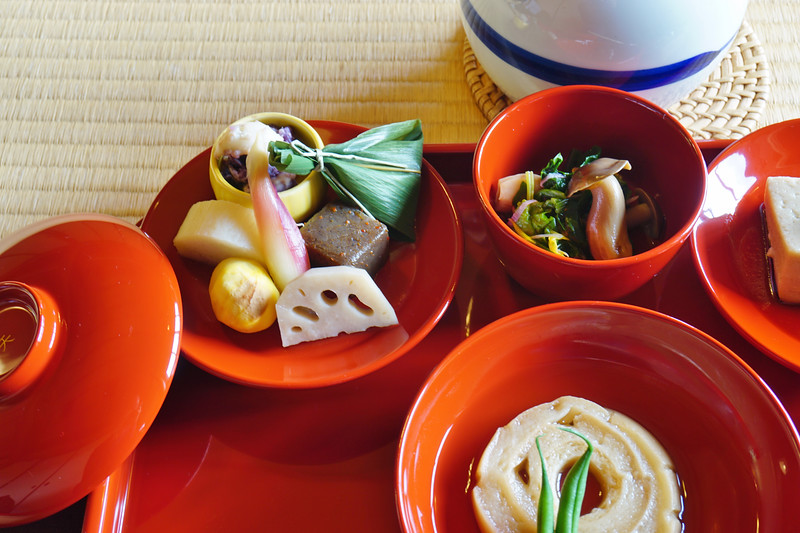
Shojin Ryori (精進料理) is more than just vegetarian food; it's a culinary expression of Zen Buddhist philosophy. Rooted in principles of harmony, balance, and deep respect for nature, this cuisine is a mindful practice that extends from the preparation of the ingredients to the act of eating. Often translated as "devotion cuisine," it eschews animal products and strong flavors to create dishes that nourish both the body and the spirit. What is Shojin Ryori? It's a carefully curated experience designed to foster mindfulness and compassion.
The Essence of Ingredients and Preparation
At the heart of Shojin Ryori lies a celebration of seasonal vegetables. Spring brings delicate bamboo shoots, while autumn offers hearty pumpkin and root vegetables. Core ingredients include tofu, yuba (tofu skin), konjac, and a variety of seaweeds, each carefully selected for its nutritional value and unique texture. The preparation methods are equally important, focusing on techniques that enhance the natural flavors of the ingredients. Steaming, simmering, and grilling are common, while deep-frying is used sparingly. To maintain the purity of the flavors, strong seasonings like garlic and onion are strictly avoided. The overall aim is to create a balanced meal that uses all five flavors (sweet, sour, salty, bitter, and umami) and all five colors (green, yellow, red, black, and white) to ensure holistic nutrition.
A Journey Through Time: The Historical Context of Shojin Ryori
The origins of Shojin Ryori can be traced back to Zen Buddhist monasteries in Kyoto. As monks abstained from eating meat for ethical and spiritual reasons, they developed a plant-based cuisine that supported their practice of mindfulness and compassion. Over centuries, this culinary tradition was refined, becoming an integral part of Zen Buddhist culture. Vegetarian Buddhist cuisine Kyoto Japan emphasizes respect for all living beings and the rejection of causing any harm. What is Shojin Ryori made of? The dishes are an offering to the Buddha, reflecting the impermanence of all things.
The Sensory Symphony of Shojin Ryori
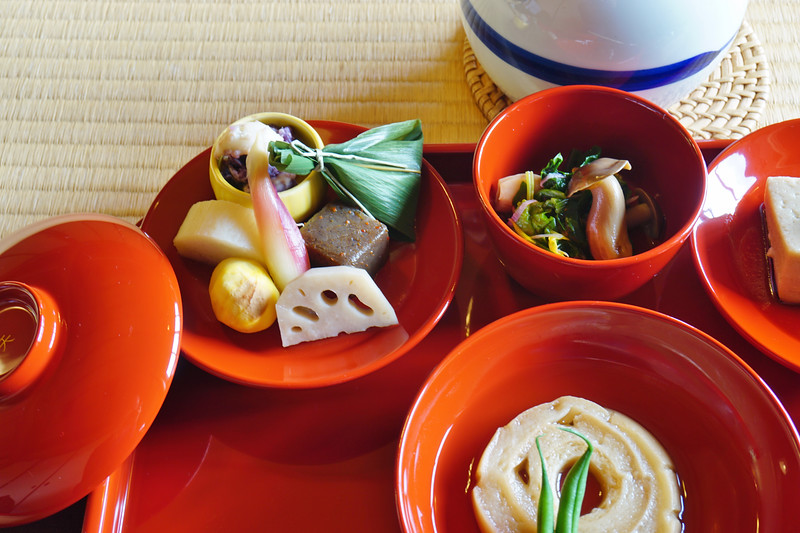
Eating Shojin Ryori is an experience that engages all the senses. The flavors are subtle and layered, revealing themselves slowly with each bite. The presentation is visually stunning, with each dish artfully arranged to create a sense of harmony and balance. The atmosphere is typically serene and peaceful, encouraging mindful eating and a deep appreciation for the ingredients. Expect a quiet, almost meditative dining experience.
Shojin Ryori Etiquette: A Guide to Mindful Dining
When dining on Shojin Ryori, certain etiquette practices are observed to enhance the mindful experience. Silence is typically maintained, with minimal noise. Leaving food on the plate is discouraged, as it's seen as disrespectful to the ingredients and the effort put into preparing the meal. Appreciating the food through mindful chewing and savoring each flavor is paramount. Chopsticks should be used respectfully, avoiding gestures like pointing or sticking them upright in the rice bowl. The experience overall, is designed to be respectful, quiet and considerate to the chef.
Shigetsu: An Authentic Shojin Ryori Experience
For an unforgettable Shojin Ryori experience, visit Shigetsu, the acclaimed restaurant located within the grounds of the magnificent Tenryu-ji Temple in Arashiyama. Shigetsu offers meticulously prepared Shojin Ryori in a serene garden setting. Where to eat Shojin Ryori in Kyoto? This is the premier destination. The authenticity of the cuisine, combined with the tranquil atmosphere, makes it a truly special experience. Arashiyama, as a location, is also a great place to visit. Shojin Ryori vegan options Kyoto are typically available, but it's always best to confirm your requirements when booking.
Discovering Yatsuhashi: A Sweet Taste of Kyoto's History
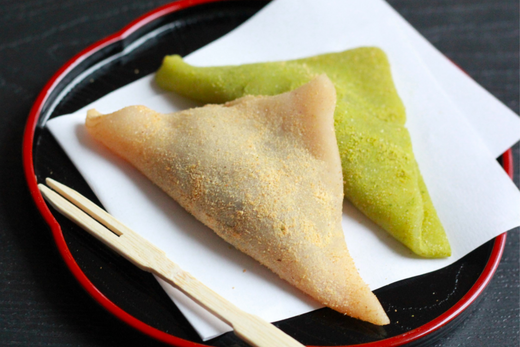
Yatsuhashi (八ツ橋) is a quintessential Kyoto sweet, instantly recognizable by its distinctive shape and delicate flavor. These traditional treats have been enjoyed for centuries and continue to be a beloved souvenir for visitors. Kyoto traditional sweets tasting tour would not be complete without sampling the various types of Yatsuhashi.
Baked or Unbaked: Exploring the Variations of Yatsuhashi
Yatsuhashi comes in two primary forms: baked and unbaked. Baked Yatsuhashi is hard and crispy, offering a satisfying crunch with each bite. Unbaked Yatsuhashi, on the other hand, is soft and mochi-like, providing a chewy and delicate texture. The flavor profiles vary as well, with classic cinnamon being the most traditional. However, modern variations include matcha, sesame, and other seasonal flavors. Yatsuhashi flavors have changed over time to include ingredients like chocolate.
A Sweet Legacy: The History of Yatsuhashi
The history of Yatsuhashi is intertwined with the Imperial Court in Kyoto. It is said to have originated during the Edo period and is associated with Yatsuhashi Kengyo, a blind musician celebrated for his koto playing. The sweet's shape is said to resemble the koto bridge or resemble a famous bridge the musician once built. Over time, Yatsuhashi has become a staple at Kyoto festivals and celebrations, symbolizing the city's rich cultural heritage. History of Yatsuhashi shows it has been a staple for a long time.
Honke Yatsuhashi Nishio: A Gateway to Yatsuhashi Delights
For a comprehensive Yatsuhashi experience, visit Honke Yatsuhashi Nishio. This renowned shop offers a wide variety of Yatsuhashi, allowing you to sample different flavors and textures. Even better, you can participate in Yatsuhashi workshops and tastings, learning about the history and preparation of these iconic sweets. Top rated Yatsuhashi shop Kyoto gives travelers insights into this local business. Is Yatsuhashi a good souvenir from Kyoto? Absolutely.
Immerse Yourself in Kyoto's Flavors: A Call to Action
Ready to embark on a culinary journey through Kyoto? Now is your chance to explore Shojin Ryori and Yatsuhashi firsthand.
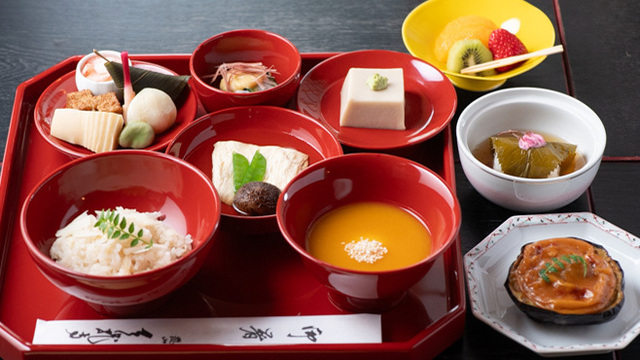
Book a hands-on Shojin Ryori cooking class at a local temple through vistalocation.com and discover the art and philosophy of this unique cuisine firsthand. Click here to book your class and experience the sacred flavors of Kyoto! This is a great way to experience Shojin Ryori at a temple in Kyoto. Discover the beauty of Kyoto's cuisine and take a journey through time, culture, and flavor. Enjoy your culinary adventure!