Kyoto's Cultural Heartbeat: A Traveler's Guide t...
Kyoto, the ancient capital of Japan, is a city where tradition thrives amidst modernity. From the enchanting geisha districts to the serene bamboo forests, Kyoto offers a wealth of Kyoto cultural experiences. My recent journey was a deep dive into this cultural heart, seeking out authentic moments beyond the typical tourist trail. This isn't just a travelogue; it's your guide to unlocking a more immersive and respectful experience of Kyoto, filled with Japan travel tips for culture. Let’s explore how you can create your own unforgettable Kyoto itinerary cultural immersion.
An Evening Stroll Through Gion and Pontocho at Dusk
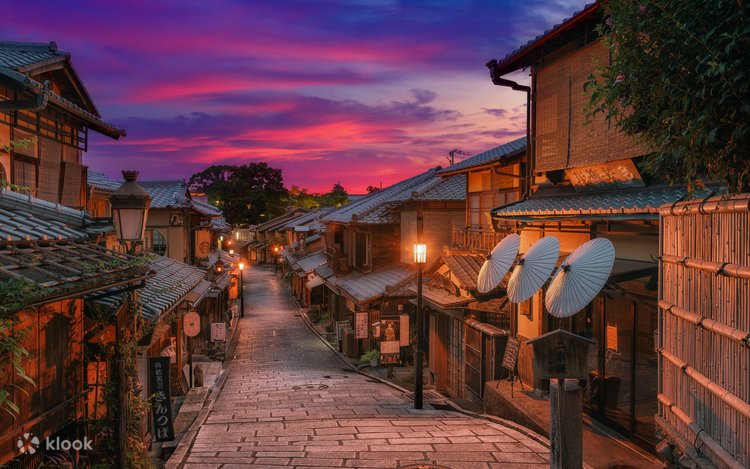
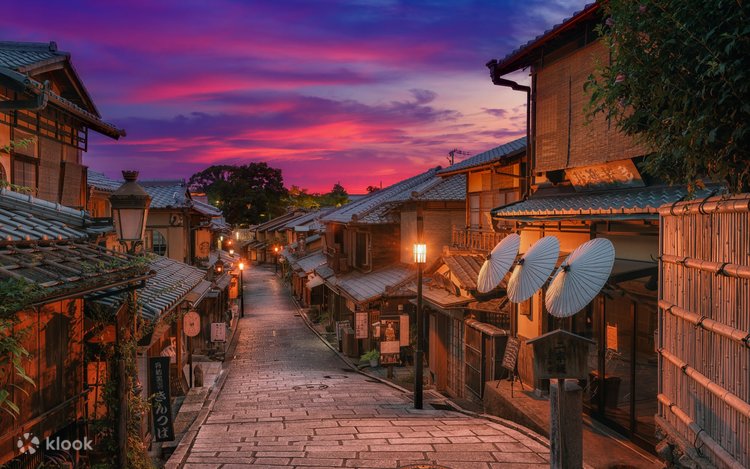
As twilight descends, Kyoto's Gion and Pontocho districts awaken with a unique charm. Gion, the renowned Geisha district, exudes an air of mystique, its wooden machiya houses glowing softly under lantern light. The anticipation of catching a glimpse of a Geiko (Kyoto Geisha) or Maiko (apprentice Geisha) adds to the magic. While sightings aren't guaranteed (and shouldn't be aggressively pursued), simply observing the graceful architecture and listening to the faint sounds of shamisen music drifting from the teahouses is an experience in itself. Pontocho, nestled along the Kamogawa River, offers a different but equally captivating atmosphere. Here, restaurants line the narrow alleyway, their paper lanterns casting reflections on the water. Choosing a restaurant in Pontocho restaurants with traditional Japanese cuisine along the river with outdoor seating is a perfect way to savor the evening, enjoying delicious food while soaking in the vibrant ambiance. The best time to visit Gion at night is during the shoulder seasons (spring and fall) to avoid crowds. Remember that photography should be discreet and respectful; avoid blocking pathways or intruding on private moments. It’s generally safe to walk around Gion at night, but be mindful of your surroundings, especially in the more secluded areas.
Mastering the Brush: A Shodo Workshop at Kiyomizu-dera
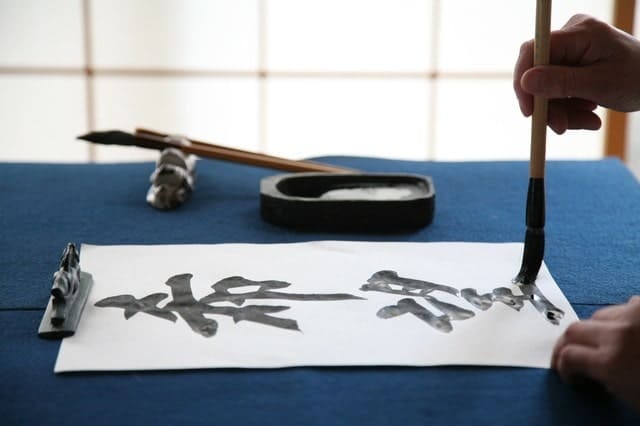
One of the highlights of my trip was participating in a Shodo workshop Kiyomizu-dera. Held in a traditional room overlooking the temple grounds, the setting was incredibly inspiring. The air was filled with the subtle scent of ink, and the sunlight streaming through the shoji screens created a sense of tranquility. We used fude (Japanese calligraphy brushes), specifically a medium-sized brush for practicing basic strokes, and sumi ink, which we prepared ourselves by grinding an ink stick with water on a suzuri (inkstone). The instructor patiently guided us through the fundamental techniques: holding the brush correctly, controlling the ink flow, and executing basic strokes like horizontal lines, vertical lines, and curves. It was humbling to realize the depth of practice and discipline required to master this art form.
If you are interested in finding a Shodo calligraphy class experience Kyoto beginner, you can prebook at many online locations such as Viator and GetYourGuide before your arrival. Regarding what to wear, Shodo workshops are usually casual, but it's advisable to wear comfortable clothing that you don't mind getting ink on, as accidents can happen. Kiyomizu-dera Shodo workshop booking online is recommended due to space limitations.
For those looking to purchase quality calligraphy supplies in Kyoto, I recommend visiting the traditional art supply stores in the Teramachi Shopping Arcade or near Kyoto Station. They offer a wide selection of brushes, ink, paper, and other tools.
Navigating Kyoto's Public Transportation with Ease
Kyoto boasts an efficient public transportation system, but navigating it can seem daunting at first. My best advice? Invest in a Suica or Pasmo card. These rechargeable cards simplify travel on trains and buses throughout the city and can be used in many other cities in Japan. I advocate for the use of a Kyoto public transport Suica Pasmo.
Here's how to purchase and recharge a Suica or Pasmo card:
- Purchase: You can buy a Suica or Pasmo card at most major train stations in Kyoto, including Kyoto Station. Look for vending machines with the Suica or Pasmo logo.
- Select Language: The vending machines typically have an English option.
- Choose Card Type: Select "New Card" and then choose either Suica or Pasmo.
- Deposit Amount: You'll need to deposit an initial amount (e.g., ¥1,000, ¥2,000, ¥5,000). A portion of this deposit is a refundable deposit, and the rest is available for travel.
- Recharge: To recharge your card, simply insert it into a recharge machine (found at most train stations) and add more money. You can also recharge at convenience stores displaying the Suica or Pasmo logo. If you run out of money on your card, most train stations will have a recharging station.
Suica vs Pasmo for tourist Kyoto? They are essentially the same and interchangeable across most of Japan, including Kyoto. There's no real advantage to choosing one over the other. A Kyoto public transport pass for tourists might be more economical if you plan on extensive travel within a short period. Check the cost-effectiveness based on your itinerary.
Exploring Arashiyama by Electric Bicycle
For a truly memorable experience, rent an electric-assisted bicycle for a day trip to Arashiyama. The Arashiyama electric bicycle rental made it so much easier to explore the area's stunning scenery. The gentle assist from the electric motor made tackling the hills a breeze, allowing us to fully enjoy the Arashiyama bamboo forest electric bike tour without tiring ourselves out.
I recommend renting from one of the shops located near Hankyu Arashiyama Station. Several rental places are available, and the prices are fairly competitive, but you can expect to pay around ¥1,500 - ¥2,500 for a day's rental of an electric-assisted bicycle. Consider taking a bicycle for recommended routes in Arashiyama.
With an electric bicycle, you can easily navigate the famous Bamboo Grove, visit the Tenryu-ji Temple, explore the charming streets of Saga Arashiyama, and even venture further afield to the Otagi Nenbutsu-ji Temple with its hundreds of unique stone statues.
The Art of Meishi Koukan: Japanese Business Card Etiquette
Finally, a word on Meishi Koukan, the ritual of exchanging business cards in Japan. This seemingly simple act is deeply ingrained in Japanese culture and is an essential sign of respect and sincerity. Knowing How to exchange business card in Japan properly can make a significant difference in your interactions.
Here's the proper way to present and receive a Meishi:
Presenting: Hold the card with both hands, with the text facing the recipient so they can read it easily. Offer it with a slight bow, stating your name and company affiliation (if applicable).
Receiving: Receive the card with both hands, expressing gratitude (e.g., "Arigato gozaimasu"). Take a moment to carefully look at the card, acknowledging the information it contains. This is a critical step. It shows respect for the person and the information they are sharing. Never immediately shove the card into your pocket.
Storage: During a meeting, place the received cards neatly on the table in front of you, in order of seniority (if known). After the meeting, store the cards in a business card holder, not in your wallet or pocket. Understanding the Proper way to give and receive Meishi in Japan is a key element in demonstrating Respecting Japanese culture travel. Understanding Why is business card etiquette important in Japan means you can build trust and rapport with your Japanese counterparts.
Embrace the Cultural Rhythms of Kyoto
Kyoto is more than just a city; it's a living tapestry of history, art, and tradition. By embracing these practical tips and insights, you can move beyond the surface and engage with Authentic Kyoto travel in a more meaningful way. Remember to be respectful, open-minded, and curious, and you'll be rewarded with unforgettable Kyoto cultural immersion activities. And don't forget to look up other ways to be immersed. Consider Kyoto Food Culture through restaurants that serve Kaiseki or Shojin Ryori.