Kyoto's Culinary Pilgrimage: Discovering Shojin...
Kyoto, the heart of traditional Japan, offers a unique culinary experience that transcends mere sustenance. Delve into the world of shojin ryori, the traditional vegetarian cuisine of Buddhist monks, and embark on a Zen Buddhist cuisine Kyoto journey that nourishes not only the body but also the spirit. This isn't just vegetarian Buddhist food Kyoto; it's a mindful practice, a connection to nature, and a profound exploration of Zen philosophy. Discover the essence of shojin ryori Kyoto and find out where you can have a truly authentic experience.
The Philosophy of Shojin Ryori: A Taste of Zen
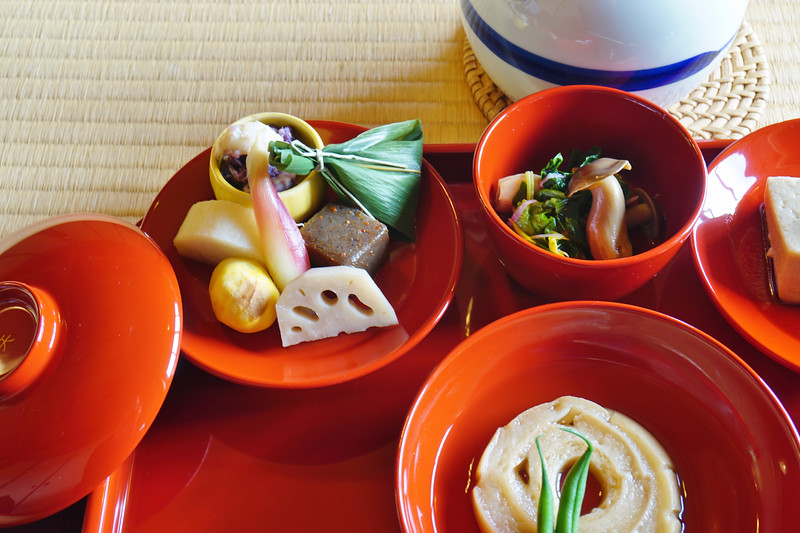
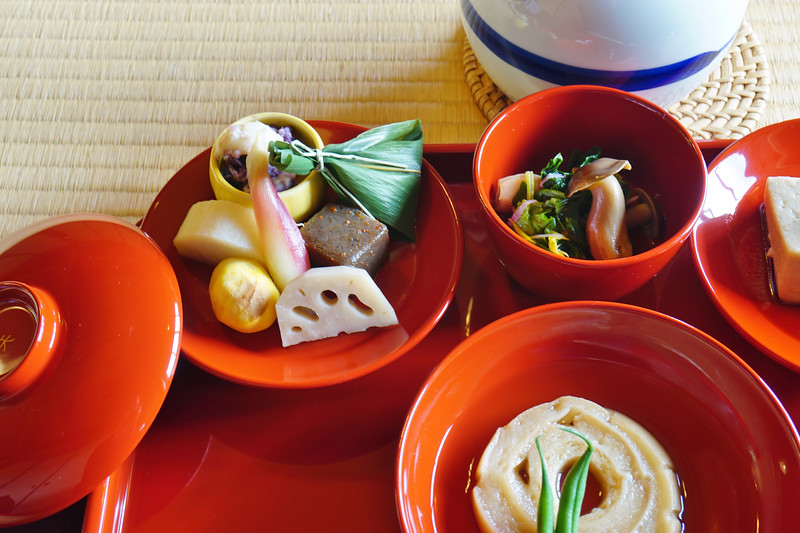
Alt text: A meticulously arranged Shojin Ryori meal showcasing the vibrant colors and textures of the seasonal vegetables and tofu, reflecting the mindful preparation and balance inherent in this Zen Buddhist cuisine.
Shojin ryori is more than just vegetarian cooking; it’s a profound expression of Zen Buddhist principles. Rooted in compassion and respect for all living beings, this cuisine abstains from meat and fish, adhering to the Buddhist precept of non-killing. But the restrictions go further. Strong aromatics like garlic, onion, and ginger are often avoided as they are believed to stimulate the senses and hinder meditation. The goal of shojin ryori philosophy is to create a meal that fosters mindfulness, balance, and harmony.
The preparation itself is a meditative act. Each ingredient is treated with reverence, carefully selected for its seasonal freshness and nutritional value. The cooking techniques are designed to enhance the natural flavors of the vegetables, beans, and grains, avoiding strong seasonings that could overwhelm the palate. The five colors (green, yellow, red, black, and white) are often represented in the meal to ensure nutritional balance and visual appeal, reflecting the harmony of the natural world.
Why is Shojin Ryori important in Zen Buddhism?
Shojin Ryori is important in Zen Buddhism because it exemplifies the principles of mindfulness, compassion, and non-harming. The process of preparing and consuming shojin ryori is a form of meditation, promoting a deeper connection with the food and the present moment. The absence of animal products aligns with the Buddhist commitment to minimizing suffering.
Key Ingredients and Techniques: Simplicity and Harmony
The beauty of shojin ryori lies in its simplicity. Key ingredients include:
- Tofu: A versatile protein source, often handmade and featured in various forms, from silky smooth kinugoshi to firm, grilled tofu.
- Seasonal Vegetables: Fresh, locally sourced vegetables are at the heart of shojin ryori, reflecting the changing seasons and connecting diners to nature's rhythm.
- Seaweed: Used to add umami and essential minerals, kombu and wakame are staples in dashi (broth) and side dishes.
- Grains: Rice, barley, and millet provide a foundation for the meal, offering carbohydrates and fiber.
- Beans: Soybeans are particularly important, used to make tofu, miso, and other fermented products that add depth of flavor.
Shojin ryori cooking techniques emphasize drawing out the natural flavors of the ingredients. Steaming, simmering, and grilling are common methods, avoiding deep-frying or heavy sauces. Dashi, a light broth made from kombu and shiitake mushrooms, forms the base for many dishes, providing a subtle umami flavor that enhances the vegetables. The use of oil is minimal, and the emphasis is on creating balanced and harmonious flavors that complement each other.
What are the key ingredients in Shojin Ryori?
The key ingredients in Shojin Ryori are tofu, seasonal vegetables, seaweed (kombu and wakame), grains (rice, barley, millet), and beans (especially soybeans). These ingredients are chosen for their nutritional value and ability to be prepared in a way that respects the principles of Zen Buddhism.
A Culinary Journey Through Kyoto: Seeking Shojin Ryori
Embark on a shojin ryori experience Kyoto, beginning near Kiyomizu-dera Temple. Along Obasan Zaka, you can discover restaurants that serve traditional shojin ryori restaurants Kyoto, offering a peaceful respite from the bustling streets. Here, you can savor a multi-course meal, each dish meticulously crafted and presented with mindful attention. Focus on the flavors, textures, and aromas, appreciating the journey of each ingredient from the earth to your plate.
Mindful eating is a core principle of shojin ryori. Eat slowly, savor each bite, and pay attention to the sensations in your body. Avoid distractions and focus on the present moment, allowing the meal to become a form of meditation. The subtle flavors and textures of the vegetables will reveal themselves, offering a deeper appreciation for the natural world.
Shojin Ryori Experience Near Kiyomizu-dera
Imagine yourself seated on a tatami mat, overlooking a serene garden. A series of small dishes are presented before you, each a miniature work of art. Delicate vegetable tempura, simmered root vegetables, and silky tofu dressed with a light sesame sauce. The dashi broth warms you from the inside out, and the perfectly cooked rice provides a satisfying foundation. This is more than just a meal; it's a moment of tranquility, a chance to connect with yourself and the natural world.
Tofu Delights in Arashiyama
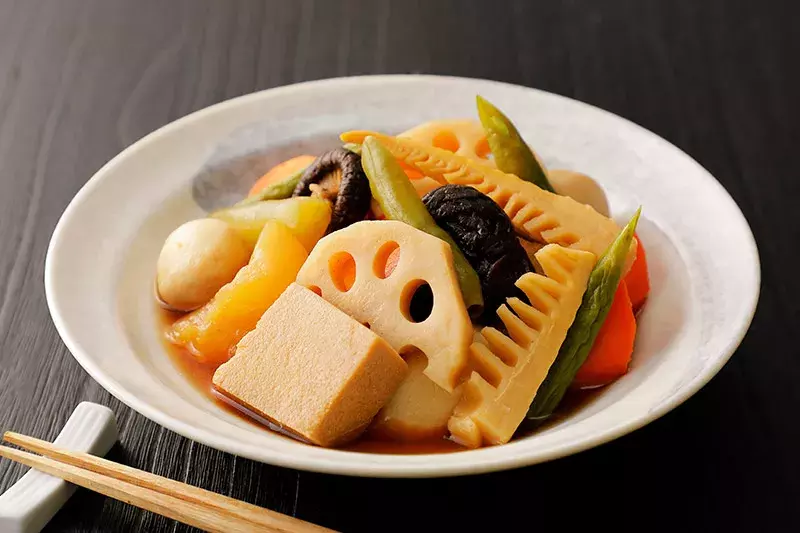
Alt text: A close-up shot of freshly made artisanal tofu, highlighting its creamy texture and the traditional methods used in its production, emphasizing the important role of quality tofu in Shojin Ryori.
Venture to Arashiyama, famous for its bamboo grove, and seek out a local tofu shop. Many are family-run businesses dedicated to the art of making artisanal tofu. The rich, creamy flavor of freshly made tofu is a testament to the dedication and skill of the artisans. Taste the difference between mass-produced tofu and the handcrafted variety, understanding its crucial role in shojin ryori.
In Arashiyama, freshly made tofu can be enjoyed in various ways:
- Yudofu: Simmered in hot water and served with dipping sauces, allowing the delicate flavor of the tofu to shine.
- Tofu Ice Cream: A surprisingly delicious and refreshing treat, showcasing the versatility of tofu.
- Grilled Tofu Skewers: A simple yet satisfying snack, highlighting the firm texture and subtle smokiness of grilled tofu.
Can you drink alcohol with Shojin Ryori?
While traditionally shojin ryori aims to minimize stimulation, some restaurants may offer sake or other mild alcoholic beverages that complement the meal without overwhelming the subtle flavors. It is best to inquire at the specific restaurant.
A Call to Mindful Action: Deepening Your Shojin Ryori Experience
To truly immerse yourself in the world of shojin ryori, consider the following:
- Visit a Zen Temple: Many temples in Kyoto offer Kyoto temple vegetarian food lunches. Experiencing shojin ryori in the serene setting of a temple adds another layer of depth to the experience.
- Participate in a Tea Ceremony: A traditional Japanese tea ceremony (chado) is another form of mindful practice that complements shojin ryori. The slow, deliberate movements and the focus on the present moment enhance the overall experience of mindfulness and appreciation.
- Take a Shojin Ryori Cooking Class: Learning the techniques and philosophy behind this cuisine will deepen your understanding and allow you to bring the practice into your own kitchen.
Shojin ryori is not just a meal; it's a culinary pilgrimage into the heart of Zen philosophy. By embracing the principles of mindfulness, respect for nature, and compassion for all beings, you can nourish your body and soul and discover a deeper connection to yourself and the world around you.
How is Shojin Ryori prepared?

Alt text: A chef meticulously preparing Shojin Ryori, showcasing the careful attention to detail and the emphasis on seasonal ingredients, reflecting the Zen philosophy behind the cuisine.
Shojin Ryori is prepared by emphasizing the natural flavors of seasonal vegetables and plant-based ingredients. The cooking methods often include steaming, simmering, and grilling to retain the nutritional value and taste. Dashi, a broth made from kombu and shiitake mushrooms, is used to enhance flavors. The process involves mindful preparation, respecting the ingredients and aiming for a balanced, harmonious meal.