Kyoto's Culinary Gems: From Kaiseki to Matcha De...
Kyoto, the ancient capital of Japan, is a city steeped in history, tradition, and unparalleled beauty. Beyond its stunning temples and serene gardens lies a vibrant culinary scene, a testament to the city’s dedication to artistry and flavor. A visit to Kyoto is not complete without immersing yourself in its distinctive gastronomic offerings. From the refined elegance of Kyo-ryori to the Zen-inspired simplicity of Shojin Ryori and the delightful sweetness of Matcha-infused treats, Kyoto offers a culinary journey like no other. Prepare your palate for an unforgettable adventure through the heart of Japanese cuisine.
Kyo-ryori - A Symphony of Flavors
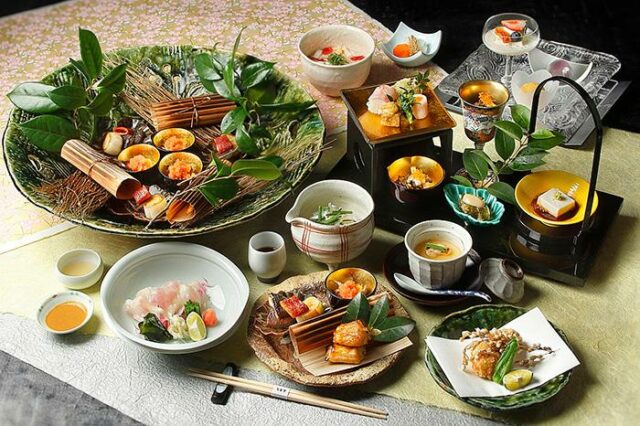
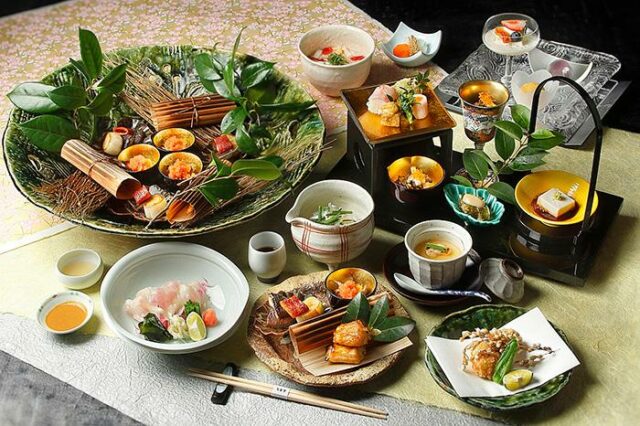
Kyo-ryori, Kyoto cuisine, is more than just a meal; it's a refined art form that embodies the city's sophisticated culture. Originating in the imperial court and among Buddhist temples, Kyo-ryori emphasizes the use of seasonal ingredients (旬, shun) at their peak flavor, prepared with meticulous attention to detail and presented as a visual masterpiece. Every element, from the selection of ingredients to the arrangement on the plate, is designed to evoke a sense of harmony and appreciation for nature.
At the heart of Kyo-ryori lies the concept of "kaiseki," a formal, multi-course meal that showcases the chef's skill and creativity. Kaiseki traditionally accompanied the tea ceremony, offering a light meal to complement the delicate flavors of matcha. Over time, it evolved into an elaborate dining experience, featuring a progression of courses designed to stimulate the palate and provide a complete culinary journey.
Each course in Kyo-ryori plays a specific role in the overall experience. Here are a few dishes you're likely to encounter:
Suimono (Clear Broth Soup): This delicate soup is a staple of Kyo-ryori, showcasing the pure flavors of seasonal vegetables and fish. The broth is typically light and clear, allowing the ingredients to shine through. Expect subtle flavors and elegant presentation.
Otsukuri (Sashimi): In Kyo-ryori, sashimi is not simply sliced fish; it's an art form. The fish is meticulously arranged to highlight its color and texture, often accompanied by delicate garnishes and edible flowers. The focus is on freshness and the natural flavors of the seafood.
Takikomi Gohan (Seasonal Rice Dish): This flavorful rice dish is prepared with seasonal vegetables, mushrooms, or seafood, cooked together in a broth that infuses the rice with umami. It is a comforting and satisfying dish that reflects the bounty of the season.
For an unforgettable Kyo-ryori experience, consider visiting Gion Karyo in the Gion district. This restaurant is housed in a traditional machiya (wooden townhouse), featuring tatami mats and serene garden views. Gion Karyo is renowned for its authentic Kyo-ryori, prepared with the finest seasonal ingredients and presented with impeccable attention to detail. The ambiance alone is worth the visit, offering a glimpse into Kyoto's rich cultural heritage. To truly appreciate Kyo-ryori is to understand the culture and time that it embodies.
Shojin Ryori - Zen on a Plate
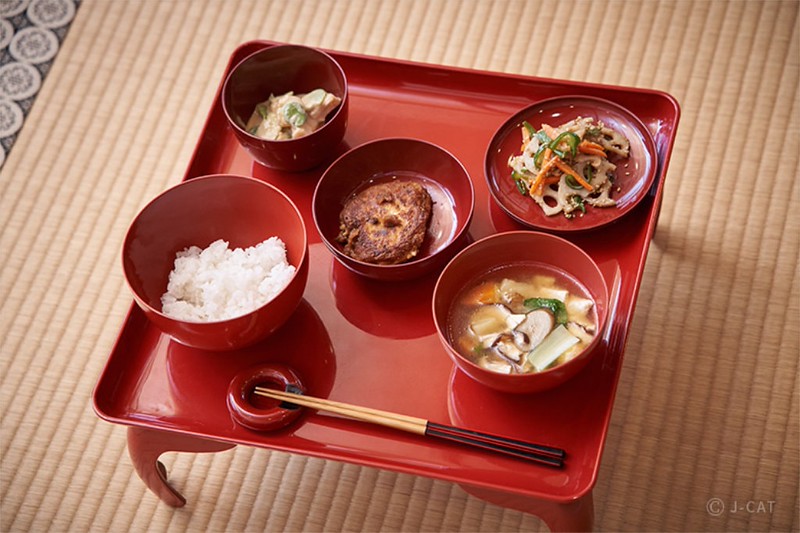
Shojin Ryori, translating to "devotion cuisine", offers a stark contrast to the opulence of Kyo-ryori. This traditional Buddhist vegetarian cuisine originated in the Zen temples of Kyoto, reflecting a philosophy of simplicity, mindfulness, and respect for all living beings. Shojin Ryori is characterized by its absence of meat, fish, and strong-flavored vegetables like garlic and onions, which are believed to stimulate the senses and hinder meditation.
The focus of Shojin Ryori is on utilizing seasonal vegetables, beans, and grains to create flavorful and nourishing dishes. The cuisine emphasizes the natural umami (savory) flavors found in plant-based ingredients, achieved through techniques like using kombu (kelp) and shiitake mushrooms to create a rich dashi (broth). Shojin Ryori is not just about abstaining from certain ingredients; it's about celebrating the earth's bounty and preparing food with intention and gratitude.
Here are a few examples of dishes you can expect:
Goma Dofu (Sesame Tofu): This creamy and rich tofu is made from sesame seeds, kudzu starch, and water. It has a unique, slightly nutty flavor and a smooth, almost melt-in-your-mouth texture. Goma dofu is often served with a light soy sauce and wasabi.
Kakiage (Vegetable Tempura): Unlike typical tempura, Shojin Ryori kakiage features a medley of finely sliced vegetables, such as carrots, burdock root, and onions, lightly battered and deep-fried. The vegetables retain their texture and flavor, creating a light and crispy dish.
Tsukemono (Pickled Vegetables): Pickled vegetables are an essential part of Shojin Ryori, providing a variety of flavors and textures to complement the other dishes. Common tsukemono include pickled daikon radish, cucumber, and eggplant, each prepared with different pickling methods and flavorings.
For a truly immersive Shojin Ryori experience, dine at Shigetsu within the Tenryu-ji Temple in Arashiyama. This serene restaurant is located within a historic Zen temple, overlooking a stunning garden. Shigetsu is committed to upholding the traditions of Shojin Ryori, using only the freshest seasonal ingredients and preparing each dish with mindfulness and care. The setting alone will provide a peaceful escape and is the perfect spot to cultivate a deeper appreciation for the Zen-inspired cuisine.
Matcha Sweets - A Bitter-Sweet Symphony
No culinary exploration of Kyoto is complete without indulging in the city’s exquisite Matcha sweets. Kyoto is renowned for its high-quality matcha (green tea powder), which has been cultivated in the region for centuries and is deeply intertwined with the traditions of the Japanese tea ceremony. Matcha's slightly bitter and earthy flavor profile makes it an ideal ingredient for a wide variety of desserts.
Matcha sweets represent a delightful fusion of modern and traditional flavors, appealing to both locals and tourists alike. From classic desserts with a Matcha twist to innovative creations that showcase the versatility of this vibrant green powder, Kyoto offers a Matcha sweet for every palate.
Here are three popular Matcha sweets you must try:
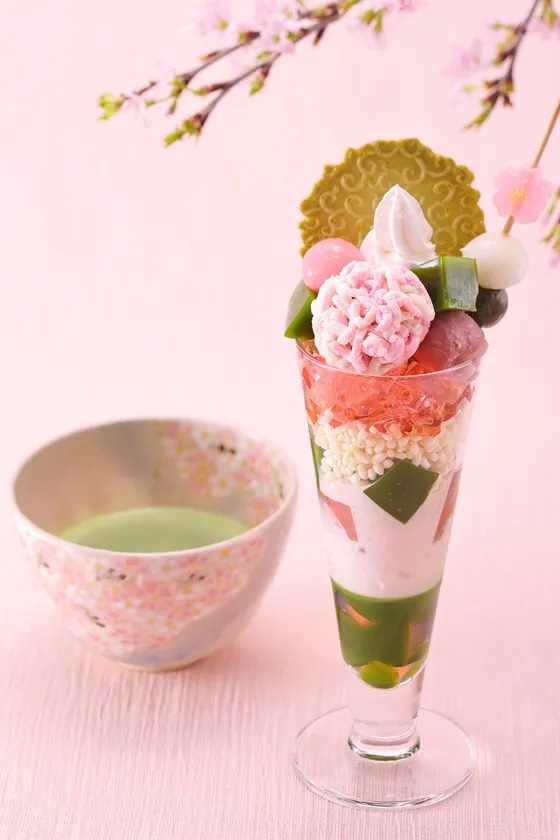
Matcha Parfait: This layered dessert is a Matcha lover's dream. It typically features layers of green tea ice cream, red bean paste (azuki), mochi balls (chewy rice cakes), whipped cream, and other toppings. The combination of bitter matcha, sweet red bean, and creamy ice cream is simply divine.
Matcha Ice Cream: A classic for a reason, Matcha ice cream offers a refreshing and intensely flavored treat. The best versions use high-quality matcha, resulting in a vibrant green color and a smooth, creamy texture. The slightly bitter aftertaste is perfectly balanced by the sweetness of the ice cream.
Matcha Warabi Mochi: Warabi mochi is a jelly-like dessert made from bracken starch, typically coated in kinako (roasted soybean flour). Matcha warabi mochi adds a touch of green tea powder to the mochi, creating a subtly bitter and refreshing flavor. The texture is soft, chewy, and almost melts in your mouth.
For the best Matcha sweets in Kyoto, head to Tsujiri in the Gion district. This cafe is a long-established brand, known for its use of high-quality matcha in all of its desserts. Tsujiri offers a modern yet traditional ambiance, with both counter and table seating. The perfect spot to relax and savor the flavors of Kyoto's famous green tea.
A Culinary Journey Awaits
Kyoto's culinary scene is a captivating blend of tradition and innovation, offering a wealth of experiences for every food lover. From the refined elegance of Kyo-ryori to the Zen-inspired simplicity of Shojin Ryori and the delightful sweetness of Matcha treats, Kyoto's flavors will leave a lasting impression. So, pack your bags, prepare your palate, and embark on an unforgettable culinary journey through the heart of Japan. Kyoto awaits, ready to tantalize your taste buds and immerse you in its rich cultural heritage. Book your trip today and discover the magic of Kyoto's cuisine!