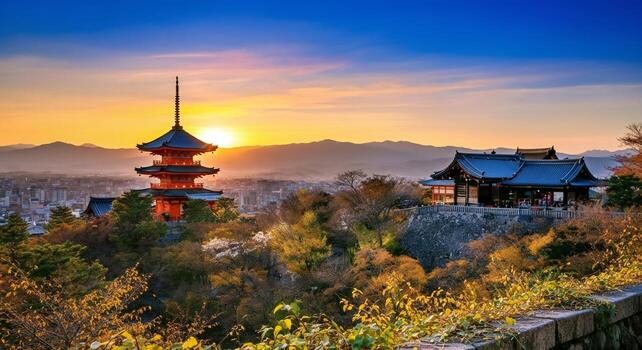
Kyoto's Autumn Embrace: A Journey Home Through A...
As an architect based in Los Angeles, my life is a whirlwind of steel, glass, and deadlines. But this past November, I embarked on a journey back to my ancestral homeland, Japan, seeking a deeper connection to my roots. Kyoto, during the peak of its autumn foliage, proved to be the perfect setting. It was more than just a vacation; it was a homecoming, a chance to reconcile the modern American life I lead with the ancient Japanese heritage that pulses within me. The vibrant colors, the serene temples, the delicate cuisine – Kyoto offered a powerful reminder of the beauty and balance that can be found when tradition and modernity coexist. This is my story of rediscovering my identity in the heart of Japan.
The Ritual of Tea: A Moment of Stillness at Ippodo Tea Co.
My first true immersion into Kyoto's traditional culture was at Ippodo Tea Co., a venerable institution dedicated to the art of matcha. The tea ceremony wasn't just about drinking tea; it was a precisely choreographed dance of movements, a meditative experience designed to slow down the mind and awaken the senses. The host's graceful preparation, the gentle whisking of the vibrant green powder, the delicate porcelain bowl – every detail was imbued with meaning.
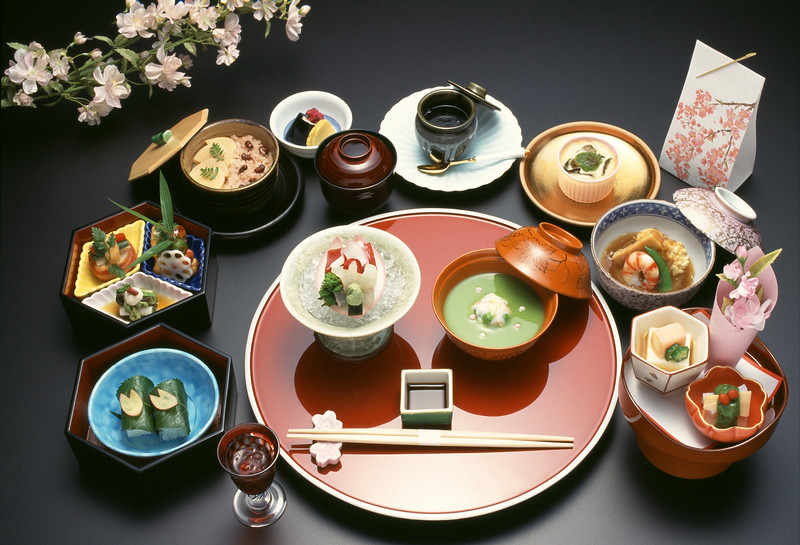
The taste was surprisingly complex – a rich, earthy bitterness balanced by a subtle sweetness. In that moment, surrounded by the hushed reverence of the tea room, I felt a profound sense of calm, a stark contrast to the constant buzz of notifications and demands that define my life in Los Angeles. This Kyoto tea ceremony experience was a powerful reminder of the importance of slowing down and appreciating the simple beauty of the present moment.
Lost in the Emerald and Crimson: The Arashiyama Bamboo Grove
Leaving the tea room, I sought solace in nature's embrace. The Arashiyama Bamboo Grove, even in photos, is impressive, but experiencing it firsthand during peak Kyoto autumn foliage season is simply breathtaking. The towering bamboo stalks, painted with dappled sunlight filtering through the vibrant red and orange leaves of the surrounding maple trees, created an almost otherworldly atmosphere.
The sounds were equally captivating – the gentle rustling of the wind through the bamboo, a soft, almost whispering melody. The Arashiyama Bamboo Grove autumn colors created an incredible display that mixed green and reds. It felt like stepping into a living painting, a place where time seemed to stand still. It was a moment of pure serenity, a connection to the natural world that I rarely experience amidst the concrete jungle of Los Angeles.
Zen and the Art of Architecture: Gardens of Ryoan-ji and Daitoku-ji
As an architect, I'm naturally drawn to spaces, and Kyoto's Zen gardens are masterpieces of design. Ryoan-ji's iconic rock garden, with its carefully arranged stones and meticulously raked gravel, is a study in minimalist beauty. The play of light and shadow across the white gravel, the subtle variations in the shapes of the rocks – it's a space that invites contemplation and introspection. The Ryōan-ji Zen Garden autumn colors create a calming atmosphere.
Daitoku-ji, a sprawling complex of sub-temples, offered a different, yet equally profound, experience. Here, the gardens are more integrated into the temple architecture, blurring the lines between indoors and outdoors. The use of natural materials – wood, paper, stone – and the intentional framing of views created a sense of harmony and tranquility. Seeing these gardens made me think about bringing these elements to my own design, the incorporation of nature and minimalist design to create a calm and meditative design.
Cycling Along the Kamo River: A Blend of Old and New
To experience Kyoto beyond its temples and gardens, I rented a bike and cycled along the Kamo River. This was a chance to see how the city's modern structures coexist with its traditional wooden houses (machiya). The Kamo River cycling tour Kyoto autumn allowed me to soak in the views. On one side of the riverbank, I saw gleaming skyscrapers, while on the other, preserved machiya lined the streets, their wooden facades whispering stories of centuries past.
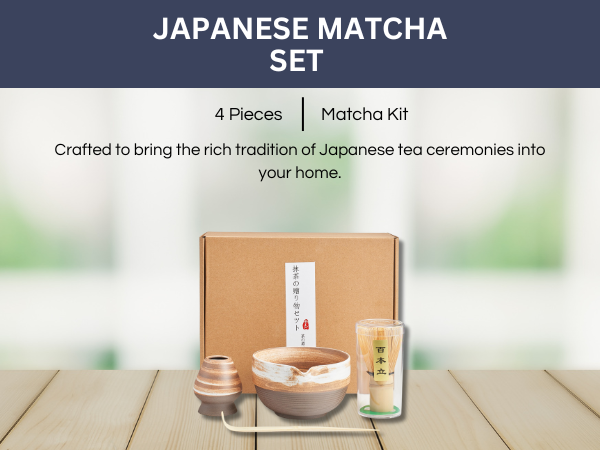
This juxtaposition was a constant reminder of Kyoto's ability to embrace progress while preserving its heritage. It was inspiring to see how the city has managed to maintain its unique identity in the face of rapid modernization.
A Culinary Journey: Kaiseki at Kikunoi and Street Food in Nishiki Market
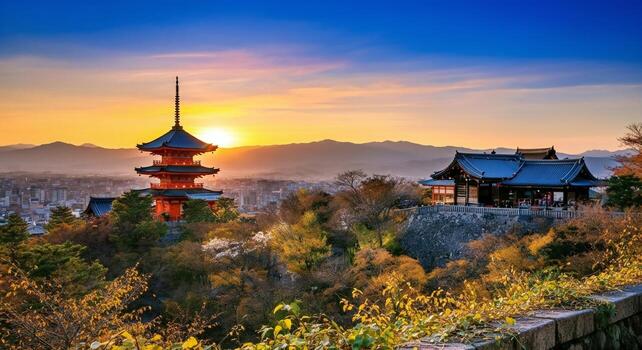
No trip to Kyoto is complete without indulging in its culinary delights. My kaiseki dinner at Kikunoi was a true work of art. Each dish was a miniature masterpiece, meticulously crafted to represent the changing seasons and the artistry of Japanese cuisine. From the delicate slices of sashimi to the savory simmered vegetables, every bite was a symphony of flavors and textures. The best Kaiseki dinner experience in Kyoto autumn is truly special.
In contrast, my exploration of Nishiki Market was a vibrant and chaotic experience. The market is a sensory overload, a maze of stalls overflowing with local delicacies. I sampled takoyaki (octopus balls), a street food staple, and a wide variety of tsukemono (Japanese pickles), each with its own unique flavor profile.
The Kyoto Nishiki Market food tour introduced me to new foods that would not have been able to try anywhere else. Later, I enjoyed matcha desserts at Tsujiri Tea House, savoring the rich, earthy flavor of the matcha in various forms – ice cream, parfaits, and cakes. The where to eat matcha desserts in Kyoto definitely includes Tsujiri Tea House. The blend of traditional ingredients with modern culinary techniques was a perfect reflection of Kyoto itself.
Landscape as Art: Autumn's Palette on Ancient Temples
The landscape of Kyoto in autumn is simply magical. The best time to see autumn leaves in Kyoto Japan is in mid-November. The vibrant reds, oranges, and yellows of the maple trees create a stunning tapestry of color against the backdrop of ancient temples and shrines. The way the light interacts with the foliage, casting dappled shadows on the temple walls and illuminating the vermillion gates of Fushimi Inari, is a sight I will never forget.
The architectural beauty of the temples, seamlessly integrated into the landscape, is a testament to the Japanese appreciation for harmony and balance. Every element – the carefully manicured gardens, the serene ponds, the elegant wooden structures – is designed to complement and enhance the natural surroundings.
Architectural Roots: A Deeper Understanding
As an architect, my visit to Kyoto provided a deeper understanding of traditional Japanese architecture. The use of natural materials, the minimalist design aesthetic, and the intentional use of natural light – these elements resonate deeply with my own design sensibilities. The way traditional Japanese homes use sliding paper doors (shoji) to control light and create a sense of privacy, the way gardens are designed to be viewed from specific vantage points within the house, the way natural light is used to highlight the textures and colors of the wood – these are all lessons that I can apply to my own work. Kyoto's traditional architecture is a must-see.
A Journey of Self-Discovery
My trip to Kyoto during the autumn foliage season was more than just a sightseeing tour; it was a journey of self-discovery. It allowed me to reconnect with my Japanese heritage and gain a new appreciation for the beauty and balance of traditional Japanese culture. It also gave me a fresh perspective on my own identity, helping me to reconcile my American upbringing with my Japanese roots. It helped me realize it is possible to have a foot in both worlds and embrace both cultures. Seeing how Kyoto blends modern living with traditions, such as temples, has inspired me to apply this to my own architectural endeavors.
I encourage everyone to visit Kyoto and experience its unique blend of tradition and modernity for themselves. The best time to visit Kyoto in fall is during mid-November. Whether you're an architect seeking inspiration, a foodie craving new flavors, or simply a traveler yearning for a deeper connection to culture, Kyoto will captivate your senses and nourish your soul. Don't just take my word for it - book your trip to Kyoto with vistalocation.com today and experience the magic for yourself!