Kyoto Through the Eyes of a Historian: Gardens,...
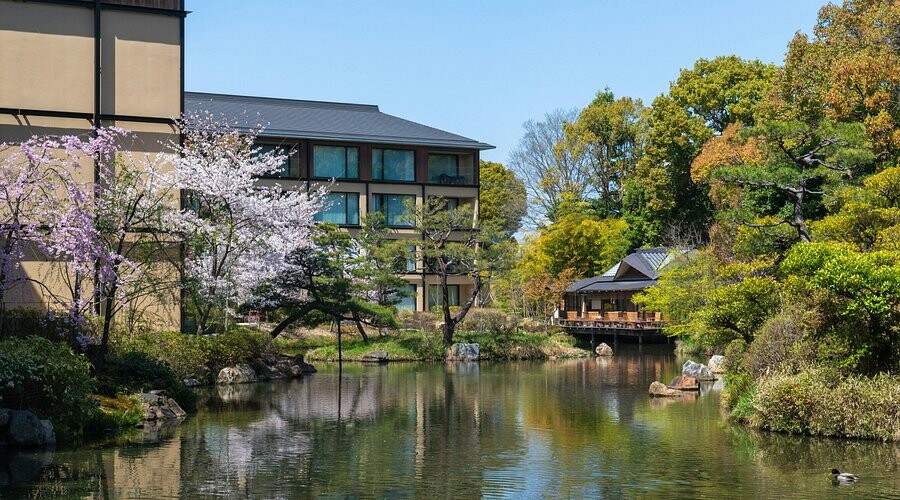
Retirement, I discovered, isn't an end but a beginning. After decades spent immersed in the history of Japanese gardens and architecture, the opportunity to truly experience the culture I’d studied for so long beckoned. Kyoto, the ancient capital, had always held a special allure. It was more than just a place on a map; it was a living tapestry woven with threads of tradition, artistry, and profound spiritual depth. This journey wasn't just a trip; it was an immersion, a chance to engage with Kyoto on a deeply personal and intellectual level. Prepare to join me as I recount my recent journey through this enchanting city, sharing my observations on its gardens, rituals, and the culinary treasures that define its unique character. The goal isn't to provide a list of places to see, but to provide historical and cultural context to this magical place.
Day 1: Tea and Tradition
My Kyoto adventure began with a pilgrimage to Ippodo Tea Co. (一保堂茶舗), a venerable institution with a history stretching back to 1717. More than just a purveyor of fine teas, Ippodo is a guardian of Kyoto’s rich tea culture. Stepping inside, I was enveloped by the soothing aroma of freshly ground matcha and the hushed reverence of patrons selecting their favorite blends.
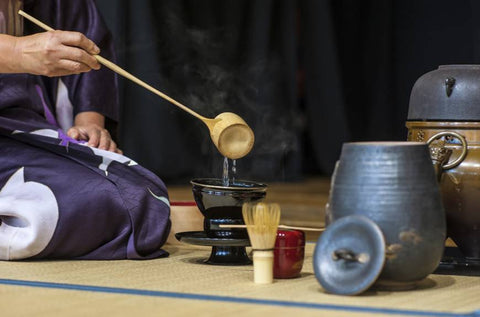
Ippodo offers a wide array of teas, from the everyday bancha to the exquisite gyokuro, each carefully cultivated and processed to capture its unique flavor profile. But it was the matcha that truly captivated me. This finely ground green tea, central to the Japanese tea ceremony, is more than just a beverage; it's a symbol of harmony, respect, purity, and tranquility – the very essence of wa (和). I participated in a traditional tea ceremony, meticulously guided by a tea master. The precise movements, the mindful preparation, the gentle clink of the chawan (tea bowl) – all contributed to an experience that transcended mere refreshment. It was a moment of profound connection to Japanese history and artistry. The history of Kyoto tea ceremony (茶の湯), also known as chanoyu, has been influenced by Zen Buddhism.
Day 2: Architectural Marvels
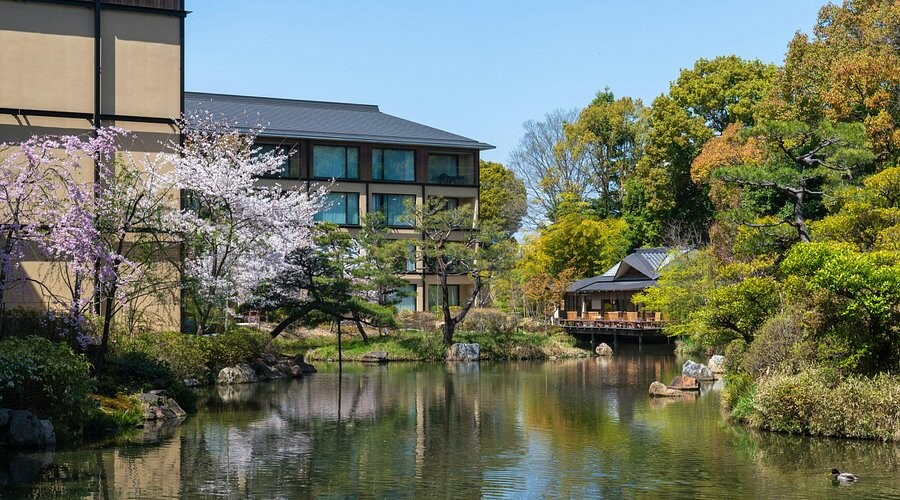
A visit to the Katsura Imperial Villa (桂離宮) was an absolute must. This 17th-century masterpiece is a testament to the harmonious integration of architecture and landscape design. The villa, originally built for Prince Toshihito, is a stroll garden, meaning that the garden is meant to be experienced by walking through it. The Katsura Imperial Villa showcases a unique blend of Shoin and Sukiya architectural styles. Shoin, a more formal style often used for reception rooms, features tatami mats, shoji screens, and built-in desks. Sukiya, inspired by tea houses, embraces rustic naturalism with exposed beams and asymmetrical designs. The villa is not just a building; it’s a carefully orchestrated sequence of spaces, each designed to evoke a specific mood and perspective.
The garden, with its meticulously raked gravel paths, precisely placed stones, and artfully shaped trees, exemplifies the Japanese aesthetic principle of wabi-sabi – the beauty of imperfection and impermanence. The villa’s integration with the surrounding landscape is seamless. The pond, the bridges, the tea houses – all are carefully positioned to create a sense of tranquility and connection with nature. The Katsura Imperial Villa has exerted a profound influence on subsequent garden design, both in Japan and abroad, and remains a vital example of Japanese architecture.
Day 3: Calligraphy and Culture
Eager to delve deeper into Japanese artistry, I attended a calligraphy workshop (書道教室). Japanese calligraphy, or shodo, is more than just writing; it's a form of meditative art. The history of Japanese calligraphy is rooted in Chinese calligraphy, which was introduced to Japan around the 6th century. I learned the basic techniques of brushstroke and ink application, guided by a master calligrapher.
The kanji characters, each with its own unique history and meaning, came alive as I practiced. The discipline and focus required were immense, but the sense of accomplishment, of creating something beautiful with my own hand, was deeply rewarding. I came to understand that Japanese calligraphy is not just about replicating characters; it's about expressing one's inner self through the art of the brush.
Day 4: A Feast for the Senses
No visit to Kyoto is complete without exploring Nishiki Market (錦市場), a vibrant and bustling marketplace known as "Kyoto's Kitchen." The market boasts a history spanning several centuries, evolving from a fish market in the early Edo period to the diverse food market it is today. The market played an important role in supporting Kyoto's culinary traditions.

Here, I found an astonishing array of fresh produce, seafood, pickles, sweets, and other culinary delights. From tsukemono (Japanese pickles) to yuba (tofu skin), each ingredient told a story about Kyoto's culinary heritage. I sampled several delicacies, each bursting with unique flavors and textures. The market's role in Kyoto's history is intertwined with the local community, supplying both restaurants and households with fresh, seasonal ingredients.
My culinary exploration culminated in a kaiseki (懐石料理) dinner at Kikunoi (菊乃井 本店), a renowned restaurant that exemplifies the artistry and philosophy of this multi-course meal. Each dish was a miniature work of art, meticulously crafted to showcase seasonal ingredients and harmonize flavors. The presentation was as important as the taste, reflecting the Japanese appreciation for beauty and balance. The kaiseki experience was not just a meal; it was a journey through Japanese culinary history and aesthetics.
Day 5: Noh and Night
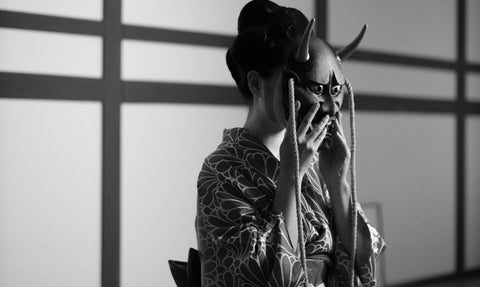
Attending a Noh theatre performance at the Kanze Noh Theatre was a truly unique experience. Noh, a classical Japanese musical drama, dates back to the 14th century and combines elements of dance, music, and poetry.
The actors, adorned in elaborate costumes and masks, moved with a slow, deliberate grace, conveying complex emotions through subtle gestures. The masks, each with its own distinct character and symbolism, were particularly fascinating. The history of Noh is deeply rooted in religious and aristocratic traditions. The performance, while initially challenging to decipher, gradually revealed its layers of meaning. It was a powerful and moving experience, offering a glimpse into the depths of Japanese cultural expression.
Day 6: Festival of Blossoms
I was fortunate enough to witness the Aoi Matsuri festival, one of Kyoto’s most important cultural events. The Aoi Matsuri (葵祭) dates back to the 6th century and is held annually on May 15th. The name Aoi Matsuri (葵祭) literally translates to "hollyhock festival," and the hollyhock theme is displayed in every aspect of the event, from decoration to dress. The festival is characterized by a grand procession, featuring hundreds of participants dressed in traditional costumes from the Heian period.
The procession, winding its way through the city’s streets, was a spectacle of color and pageantry. The costumes, meticulously crafted and historically accurate, transported me back to a bygone era. The Aoi Matsuri is not just a historical reenactment; it’s a living tradition that connects the present with the past, reinforcing Kyoto's identity as a cultural center.
Day 7: Reflection and Renewal
My final day in Kyoto was spent in quiet contemplation, visiting the Ryoan-ji (龍安寺) and Saiho-ji (西芳寺) (Moss Temple). The rock garden of Ryoan-ji is a masterpiece of Zen garden design.
The fifteen rocks, arranged in five groups on a bed of white gravel, have been the subject of countless interpretations. Some see them as islands in a sea, others as mountain peaks piercing the clouds. For me, the garden was a reminder of the power of suggestion, of the ability of art to evoke profound emotions and ideas with minimal means. The arrangement of the rocks in Ryoan-ji is often seen as a representation of Zen Buddhist principles.
The moss garden of Saiho-ji, in stark contrast to the stark simplicity of Ryoan-ji, is a lush and verdant oasis. The different shades of green, the soft textures of the moss, created an atmosphere of serene beauty. The history of Saiho-ji dates back to the Nara period, and it was later converted into a Zen temple.
The history of the temple has seen transformations that include the evolution into a Zen temple influenced by Musō Soseki, a prominent Zen monk and garden designer. It was a place of quiet reflection, a sanctuary for the soul. I concluded with a calming walk through the famed Arashiyama Bamboo Grove.
Conclusion
Kyoto is a city that defies easy categorization. It's a place where ancient traditions coexist with modern innovations, where serene gardens meet bustling markets, where profound spirituality intertwines with everyday life. My journey through Kyoto was more than just a trip; it was a transformative experience that deepened my understanding of Japanese culture and enriched my soul. Kyoto is not merely a historical landmark but a living, breathing testament to Japan's ability to preserve its heritage while embracing the future. I encourage anyone with an interest in history, culture, or simply the beauty of the human spirit to visit this extraordinary city. You can experience Kyoto’s rich cultural heritage firsthand with Vistalocations.com; book a Kyoto historical tour today!