Kyoto Through My Lens: A Photographer's Journey...
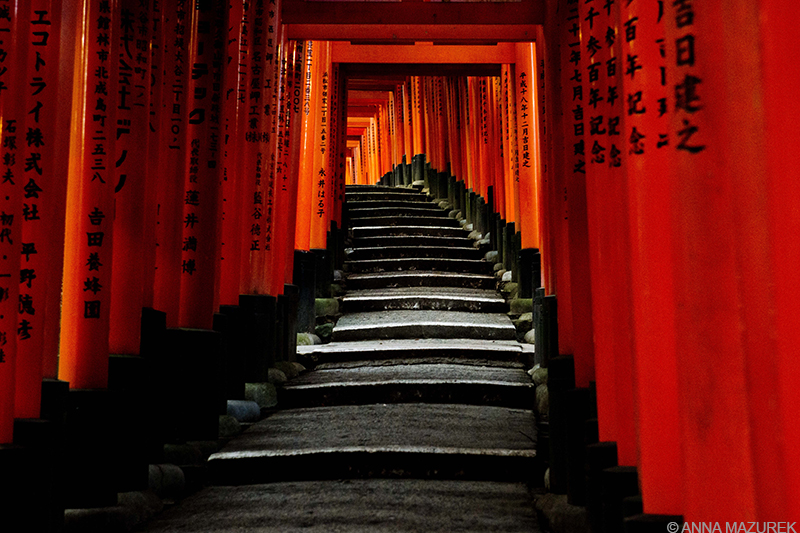
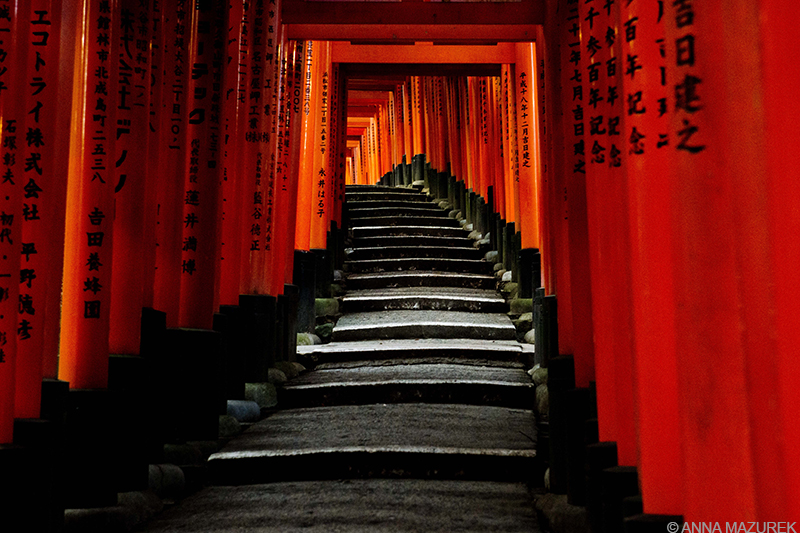
Kyoto, a city steeped in history and brimming with cultural treasures, has long been a dream destination for photographers. My recent journey there was nothing short of an ethereal experience, especially the first encounter with the Fushimi Inari Shrine. Imagine: just before sunrise, the air crisp and still, as you step through the seemingly endless vermillion torii gates. The early morning light, a soft, diffused glow, filters through the gates, painting the path in hues of orange and red. The leading lines created by the seemingly infinite path drew me deeper into the sacred mountain. It was a scene that transcended reality and ignited my artistic spirit.
Arashiyama Bamboo Grove: A Symphony of Light and Shadow
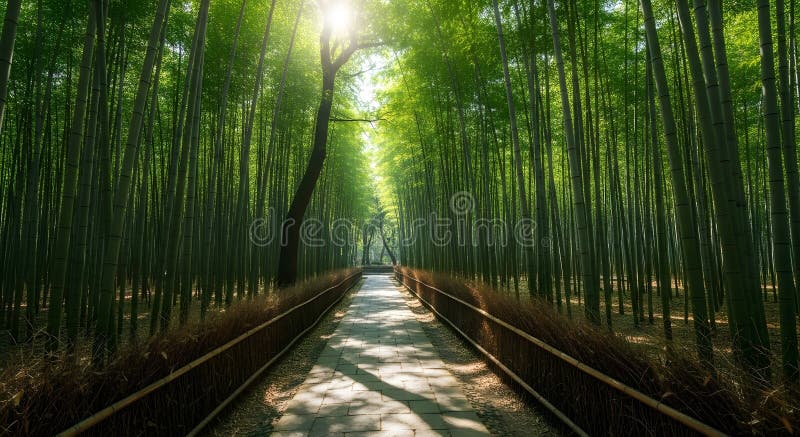
The Arashiyama Bamboo Grove is more than just a forest; it's an architectural marvel crafted by nature. Towering bamboo stalks reach for the sky, creating a mesmerizing canopy above. Walking through the grove is an exercise in sensory immersion. The wind whispers secrets as it rustles through the leaves, a soothing sound that echoes through the bamboo "cathedral." But it's the interplay of light and shadow that truly captivated me. Dappled sunlight filters through the dense bamboo, creating a mosaic of light on the forest floor. The texture of the bamboo, with its intricate patterns and varying shades of green, offered endless photographic opportunities. To capture its essence, I focused on composing using the rule of thirds, allowing the bamboo stalks to dominate the frame while giving space for the dappled light to create balance. Remember, the best time to photograph Kyoto, including Arashiyama, is often early morning to avoid crowds. If you're looking for Arashiyama Bamboo Grove photo tips, come prepared with a wide-angle lens to capture the scale of the grove.
A Traditional Tea Ceremony at Kodai-ji Temple
A visit to Kyoto isn't complete without experiencing the serenity of a traditional tea ceremony. I partook in one at the Camellia tea room inside Kodai-ji Temple, and it was an exercise in mindfulness. The Kodai-ji Temple Tea Ceremony photography experience is so unique because it allowed me to witness the precision and grace of every movement, from the measured scooping of the matcha to the deliberate whisking technique. The taste of the matcha was earthy and slightly bitter, a welcome contrast to the sweet treats often served alongside. The atmosphere of the tea room was profoundly serene, fostering a sense of peace and tranquility. The minimalist beauty of the tea ceremony, with its simple elegance and restrained aesthetic, was a photographer's dream. I focused on capturing the contrast between the vibrant green matcha and the dark, textured wood of the tea bowl.
Kaiseki Dinner: Culinary Artistry at Kikunoi
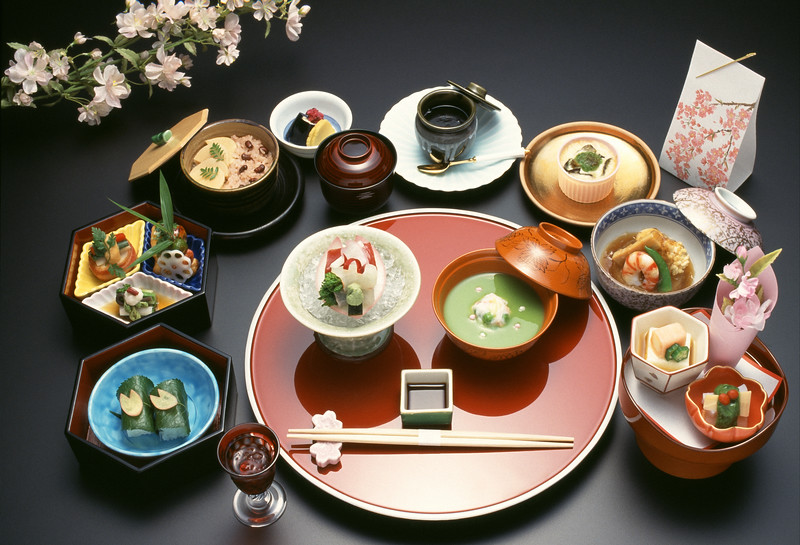
Dinner at Kikunoi restaurant was more than just a meal; it was an immersion in the art of kaiseki cuisine. Each course was a miniature masterpiece, a testament to the chef's dedication to detail and artistry. The presentation was impeccable, with each ingredient meticulously arranged to create a visually stunning tableau. The flavors were equally delicate and nuanced, a symphony of tastes that danced on the palate. It provided ample opportunities for Japanese food photography.
Takoyaki Temptations in Nishiki Market
For a taste of Kyoto's street food scene, I ventured into the bustling Nishiki Market. The sensory overload was invigorating, with vendors hawking their wares and the aromas of countless dishes filling the air. It was here that I discovered the delights of takoyaki. These savory octopus balls, cooked on a griddle and topped with a variety of sauces and toppings, were a revelation. The contrast between the crispy exterior and the soft, savory interior was simply irresistible. Capturing the vendor skillfully preparing the takoyaki, with the vibrant backdrop of the market, provided a perfect opportunity for some Kyoto street photography.
Kyoto's Aesthetic Beauty: A Harmonious Blend
Kyoto's beauty lies in its harmonious blend of traditional architecture and natural landscapes. From the serene Zen gardens to the majestic temples and the bustling markets, the city offers a feast for the senses. Wandering through the Gion district, I enjoyed matcha-flavored desserts while admiring the traditional machiya houses. The way the city preserves its history while embracing modernity is truly remarkable. My Kyoto photography guide must-do: Capture the city at sunset; the soft, golden light illuminating the temples and gardens creates a magical ambiance.
Kyoto is a city that will forever hold a special place in my heart, and in my photographic journey. I hope this post will help inspire you to create your own Kyoto photography locations adventure.
What is the best time to photograph Fushimi Inari?
The best time to photograph Fushimi Inari is early morning, before sunrise, to avoid crowds and capture the soft morning light.
Vistalocation.com is your guide to your next adventure, book your tours today!