Kyoto Koyo Season Travel: A History Professor's...
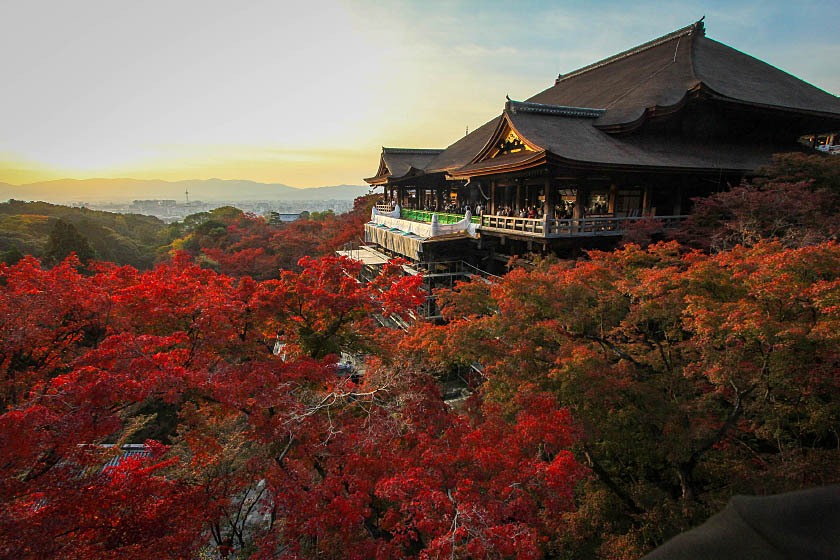
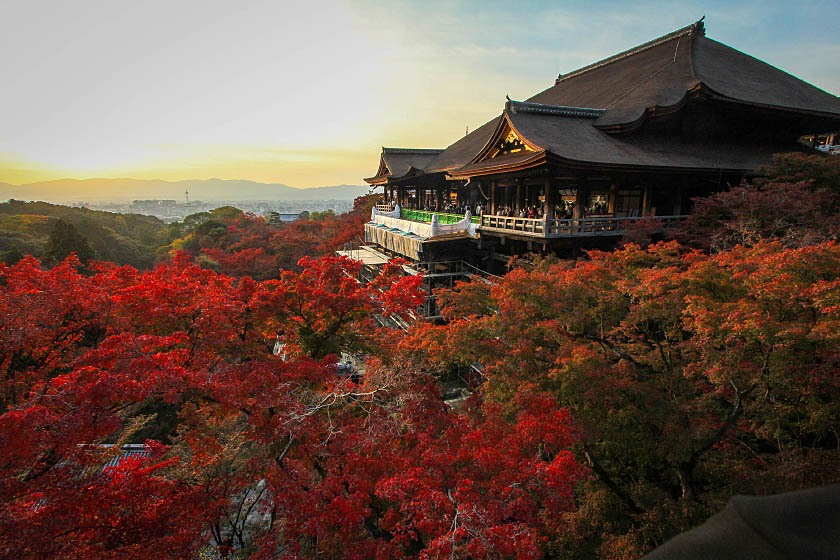
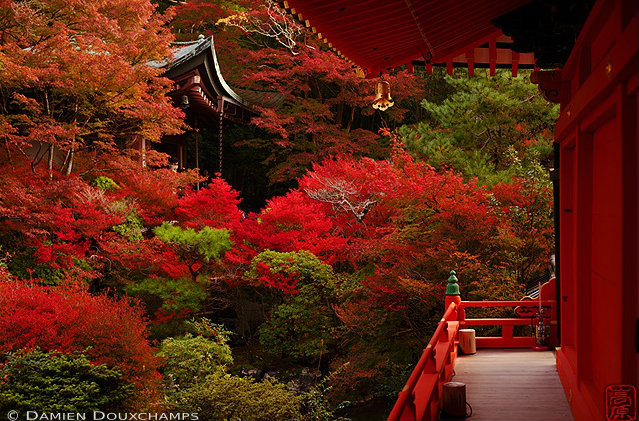
Kyoto in autumn is a dreamscape. From November 15th to 22nd, 2024, I, Alex, a 42-year-old history professor from New York City with vistalocation.com, embarked on a journey to witness the Koyo (autumn foliage) at its peak. The city transformed into a canvas of fiery reds, vibrant oranges, and golden yellows, creating an unforgettable cultural experience. More than just a visual spectacle, it was an immersion into the heart of Japanese tradition, aesthetics, and culinary artistry. This Kyoto autumn foliage tour unveils the secrets of experiencing Koyo at its best.
Day 1: Arrival and Gion Charm
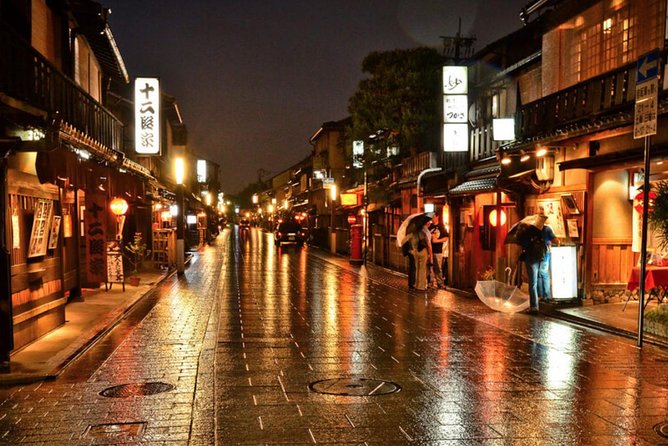
Stepping off the train at Kyoto Station was like entering another world. The air, thick with the delicate smell of burning incense and polished wood, hinted at the ancient traditions woven into the city’s fabric. Bicycle bells chimed a cheerful melody, blending with the gentle hum of conversations in Japanese. My first stop was a traditional ryokan in the heart of Gion, Kyoto's geisha district, a place I booked well in advance. The tatami mats felt cool and smooth under my feet, a welcome respite from the bustling city outside.
Delving into the Art of Chado
My cultural immersion began with a private tea ceremony at Camellia Tea Ceremony House near Kodaiji Temple. The precise, graceful movements of the tea master were mesmerizing. Each gesture, from the folding of the silk cloth to the gentle whisking of the matcha, held centuries of history and meaning. The bitter, earthy taste of the matcha was surprisingly invigorating, and the tranquility of the chashitsu (tea room) offered a moment of profound peace. This authentic Kyoto tea ceremony experience was something I will never forget.
A Culinary Journey: Savoring Kaiseki in Kyoto
The evening concluded with an authentic kaiseki dinner at Gion Karyo. Kaiseki is a multi-course Japanese haute cuisine, a feast for both the eyes and the palate. Each course was a miniature work of art:
- Sakizuke: A small, artfully arranged appetizer of sea urchin and mountain yam, delicately flavored with soy sauce.
- Hassun: A seasonal platter featuring an assortment of delicacies, including grilled eel, pickled vegetables, and a miniature sweet potato dumpling. Each element showcased the flavors of autumn.
- Owan: A clear broth soup with a single, perfectly cooked prawn and a sprig of mitsuba (Japanese parsley). The broth was light, fragrant, and incredibly refined.
The presentation was as important as the taste, with each dish carefully chosen to complement the colors and textures of the ingredients. The entire experience was a testament to the artistry and precision of Japanese cuisine.
Day 2: Temple Hopping and Bamboo Forest
Ascending Fushimi Inari Shrine
An early start led me to Fushimi Inari Shrine, a truly awe-inspiring sight. The thousands of vermilion torii gates winding up the mountainside created a seemingly endless tunnel of vibrant color. Dappled sunlight filtered through the gates, casting an ethereal glow on the path. The air buzzed with the energy of pilgrims and the whispers of ancient history.
The fox statues, messengers of the god Inari, were everywhere, each with a unique expression and holding a symbolic object, such as a key, a scroll, or a rice stalk. The ascent, though challenging, was incredibly rewarding, offering breathtaking views of Kyoto from above.
Cycling Through the Arashiyama Bamboo Grove
Next, I rented a bicycle and cycled to Arashiyama, a district known for its stunning bamboo grove. Towering bamboo stalks reached for the sky, creating a cathedral-like atmosphere of peace and serenity. The filtered sunlight cast long, dancing shadows on the path, and the gentle rustling of the bamboo leaves created a soothing soundtrack. It was a truly magical experience and well worth the visit, even during Koyo season, when crowds flock to other locations.
Finding Peace at Tenryu-ji Temple
My day in Arashiyama concluded with a visit to Tenryu-ji Temple, a Zen temple renowned for its exquisite garden. The meticulously raked gravel, carefully placed rocks, and perfectly pruned trees created a landscape of serene beauty. Sitting on the veranda, contemplating the garden, I felt a sense of calm and clarity wash over me. The autumn colors added another layer of beauty to the already stunning scene.
Day 3: Cultural Immersion and Local Cuisine
The Sights and Smells of Nishiki Market
Nishiki Market, known as "Kyoto's Kitchen," was a sensory overload in the best possible way. The narrow stalls overflowed with colorful produce, pickled vegetables (tsukemono), fresh seafood, and an array of other culinary delights. The air was filled with the sounds of vendors hawking their wares and the tantalizing aromas of grilled fish and simmering sauces.
Sampling the local delicacies was a must. I tried tamagoyaki (rolled omelet), fresh oysters, and various types of tsukemono. The market provided a fascinating glimpse into the culinary heart of Kyoto.
The Art of Kintsugi
In the afternoon, I attended a Kintsugi workshop at a local artisan studio. Kintsugi is the Japanese art of repairing broken pottery with gold, transforming imperfections into something beautiful and unique. The process was surprisingly meditative, and I felt a sense of accomplishment as I carefully pieced together the broken fragments of a teacup, highlighting its cracks with shimmering gold.
An Evening at a Local Izakaya
The evening found me in the Pontocho district, a narrow alleyway lined with restaurants and bars overlooking the Kamogawa River. I ducked into a local izakaya (Japanese pub) and settled in for an evening of food, sake, and conversation.
The izakaya offered a variety of small dishes, perfect for sharing. I tried yakitori (grilled chicken skewers), karaage (Japanese fried chicken), and edamame (steamed soybeans). The atmosphere was lively and convivial, and I enjoyed chatting with the locals over glasses of sake.
Day 4: Autumn Foliage and Serenity
Tofuku-ji Temple: A Sea of Red and Orange
Tofuku-ji Temple is the spot for Kyoto temple gardens autumn colors. The view from the Tsutenkyo Bridge was simply breathtaking. A sea of red and orange maple leaves stretched out before me, creating a scene of unparalleled beauty. The vibrant colors seemed to glow in the afternoon sun, and the air was filled with the excited chatter of visitors marveling at the spectacle. It was a truly unforgettable experience.
Kiyomizu-dera Temple: Panoramic Views
Next, I visited Kiyomizu-dera Temple, famous for its wooden stage that juts out over the hillside. The panoramic views from the stage were stunning, offering a sweeping vista of Kyoto and the surrounding mountains. The Otowa Waterfall, located at the base of the temple, is said to grant wishes to those who drink from its waters. While the crowds were significant, the beauty of the temple and its surroundings made it well worth the visit. Ensure that you get there early.
Ryoan-ji Temple: Contemplation and Reflection
The day concluded with a visit to Ryoan-ji Temple, home to Japan's most famous rock garden. The enigmatic arrangement of fifteen rocks, set in a sea of meticulously raked gravel, has puzzled and intrigued visitors for centuries. Sitting on the veranda, contemplating the garden, I pondered its meaning and found a sense of peace in its simplicity.
Day 5: Festival of Ages and Sake Tasting
Experiencing the Jidai Matsuri
While my visit was a few weeks after the Jidai Matsuri (Festival of Ages) on October 22nd, I did my research in advance so that my readers could plan for the following year. This historical procession is a fantastic and unique experience. The parade of people dressed in elaborate costumes, representing different periods of Japanese history, transports you back in time. It's a great way to learn about Japanese history and culture.
Immersing Myself in Sake at Gekkeikan Okura Sake Museum
A trip to Kyoto wouldn't be complete without sampling the local sake. I visited the Gekkeikan Okura Sake Museum in Fushimi, where I learned about the sake brewing process and sampled different varieties. From the crisp, dry junmai to the sweet, fruity ginjo, I discovered the nuances of this traditional Japanese beverage.
A Final Kyo-ryori Dinner
My final Kyoto dinner was at a Kyo-ryori restaurant, specializing in Kyoto cuisine. The presentation was exquisite, and the flavors were subtle and refined. Three courses particularly stood out:
- Yuba Sashimi: Thin sheets of tofu skin, served with soy sauce and wasabi. The texture was incredibly delicate, and the flavor was surprisingly rich.
- Grilled Mackerel: Perfectly grilled mackerel, with crispy skin and succulent flesh. The simple preparation allowed the natural flavors of the fish to shine through.
- Matcha Ice Cream: A scoop of rich, creamy matcha ice cream, the perfect ending to a memorable meal.
Day 6: Departure
As I boarded the train for my departure, I reflected on the unique beauty of Kyoto during the autumn foliage season and the immersive cultural experiences I had enjoyed. The vibrant colors, the delicate flavors, and the serene atmosphere had left an indelible mark on my soul.
Practical Tips for Visiting Kyoto During Koyo
- Book well in advance: Accommodation, transportation, and popular restaurants fill up quickly during Koyo season.
- Consider a ryokan: Experience traditional Japanese hospitality and perhaps a private onsen with autumn views.
- Use public transportation: Kyoto has an excellent bus and subway system.
- Visit early in the morning: Avoid the crowds by arriving at popular attractions before 9:00 AM.
- Wear comfortable shoes: You'll be doing a lot of walking.
- Learn some basic Japanese phrases: It will enhance your interactions with locals.
Kyoto in autumn is an experience like no other. The combination of stunning natural beauty and rich cultural heritage makes it a destination that should be on every traveler's bucket list. Don't just dream about it; plan your own Kyoto Koyo Season Travel adventure! Book your trip with vistalocation.com today and experience the magic of autumn in Japan.