Kyoto Kaiseki: An Exquisite Journey Through Japa...
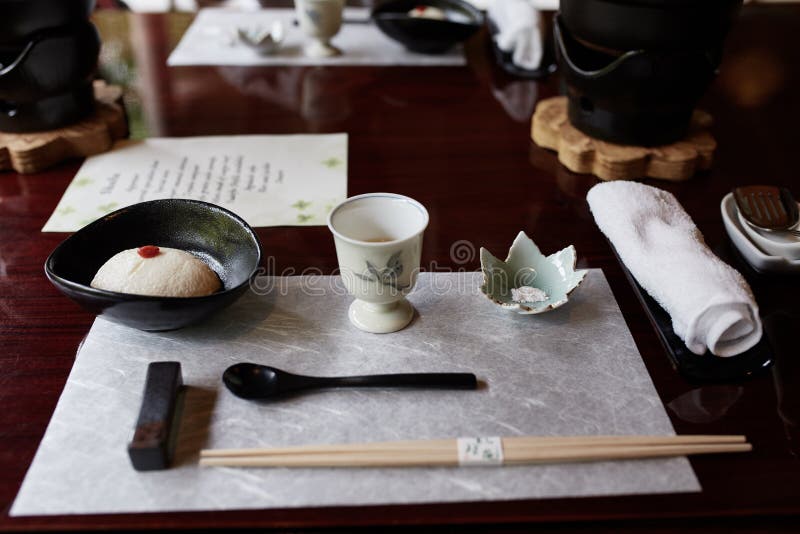
Kyoto, the ancient capital of Japan, is a city steeped in history, tradition, and unparalleled beauty. While its temples and gardens captivate the senses, it's the city's culinary heritage, particularly kaiseki cuisine, that truly nourishes the soul. Kaiseki is more than just a meal; it’s an exquisite journey, a meticulously crafted multi-course experience reflecting Japan’s profound connection to nature and its artistic sensibilities. It represents the pinnacle of traditional Japanese kaiseki cuisine, embodying a philosophy rooted in Zen Buddhism and the delicate art of the tea ceremony. For the discerning traveler seeking a taste of authentic Japan, kaiseki in Kyoto is an unforgettable indulgence.
The Origins of Kaiseki: A Harmony of Zen and Tea
The story of kaiseki begins in the serene monasteries of Zen Buddhism. Monks, adhering to strict dietary rules, sought a light meal to stave off hunger during long periods of meditation. This simple fare, known as kaiseki, consisted of warmed stones (to hold against the stomach) and a small bowl of rice, miso soup, and pickles. Over time, this humble meal evolved, influenced by the elaborate rituals of the tea ceremony (chanoyu). As tea ceremonies became increasingly sophisticated, so too did the accompanying cuisine, transforming into the elegant multi-course dining experience we know today. This art is what makes for the best kaiseki experience in Kyoto.
Embracing the Seasons: The Essence of Kaiseki
At its heart, kaiseki is an ode to the seasons. Chefs meticulously select only the freshest, locally sourced ingredients that are at their peak flavor and appearance. Every dish is a miniature work of art, carefully arranged to showcase the natural beauty of the ingredients. The presentation is as important as the taste, reflecting the Japanese aesthetic of wabi-sabi, which celebrates imperfection and impermanence. Seasonal kaiseki ingredients in Kyoto are often foraged locally to ensure peak flavor.
The Meticulous Art of Preparation and Presentation
The preparation of kaiseki is a testament to the chef's skill and dedication. Each ingredient is treated with utmost respect, its natural flavors enhanced through precise techniques. Knives are sharpened to a razor's edge, and cooking methods are chosen to preserve the integrity of the ingredients. The presentation is equally meticulous. Dishes are carefully arranged on exquisite ceramics, chosen to complement the colors and textures of the food. The goal is to create a harmonious balance, a visual and culinary feast for the senses.
A Symphony of Flavors: Exploring the Kaiseki Courses
A traditional kaiseki meal typically consists of numerous courses, each designed to tantalize the palate and showcase the chef's artistry. Here's a glimpse into the exquisite journey:
Sakizuke (Appetizer): A Prelude to Perfection
The sakizuke is a small, visually appealing appetizer designed to awaken the appetite. Imagine a delicate uni (sea urchin) tofu, its creamy texture contrasted by the salty sweetness of the uni. Edible flowers add a touch of elegance, creating a miniature masterpiece that hints at the culinary delights to come.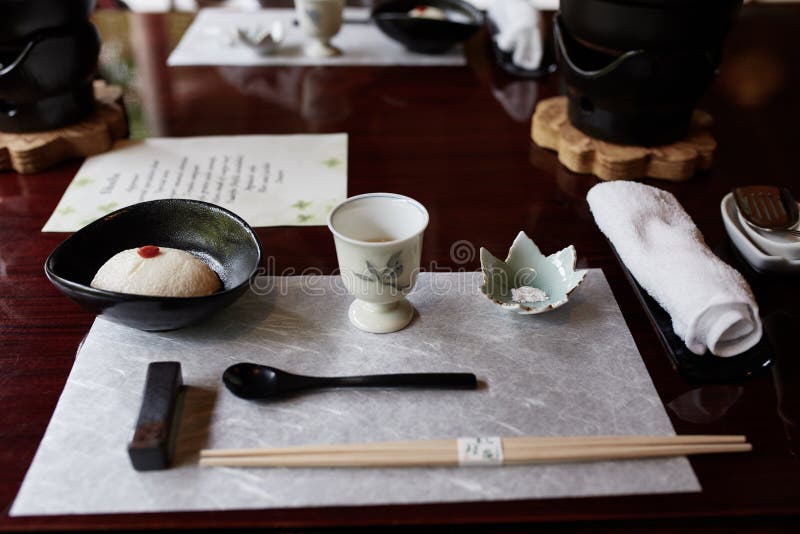
Hassun (Second Course): A Seasonal Overture
The hassun is a pivotal course, setting the seasonal theme for the entire meal. It typically features a collection of miniature delicacies artfully arranged on a single tray. A hassun might include tiny grilled fish, delicate vegetable sushi, and seasonal fruits, each representing a different aspect of the current season. The careful selection and arrangement of these items tell a story, inviting diners to connect with nature's rhythms. This is a unique feature of the Kaiseki dinner course menu.
Mukozuke (Sashimi): The Ocean's Bounty
Freshness is paramount in mukozuke, the sashimi course. Slices of tai (sea bream) or maguro (tuna) are meticulously arranged to highlight their natural beauty and vibrant colors. The sashimi is typically served with freshly grated wasabi and soy sauce, allowing the delicate flavors of the fish to shine.
Takiawase (Simmered Dish): A Gentle Harmony
The takiawase is a simmered dish that showcases the delicate umami flavors of Japanese cuisine. Seasonal vegetables, such as bamboo shoots in spring or root vegetables in autumn, are gently simmered in a light broth, often with the addition of duck or fish. The result is a comforting and flavorful dish that warms the soul.
Futamono (Lidded Dish): An Aromatic Revelation
The futamono, or lidded dish, is an experience in itself. As you lift the lid, a fragrant steam escapes, revealing a culinary treasure within. A classic futamono is a clear broth with matsutake mushrooms, their earthy aroma filling the air. The delicate broth highlights the subtle flavors of the mushrooms, creating a moment of pure culinary bliss.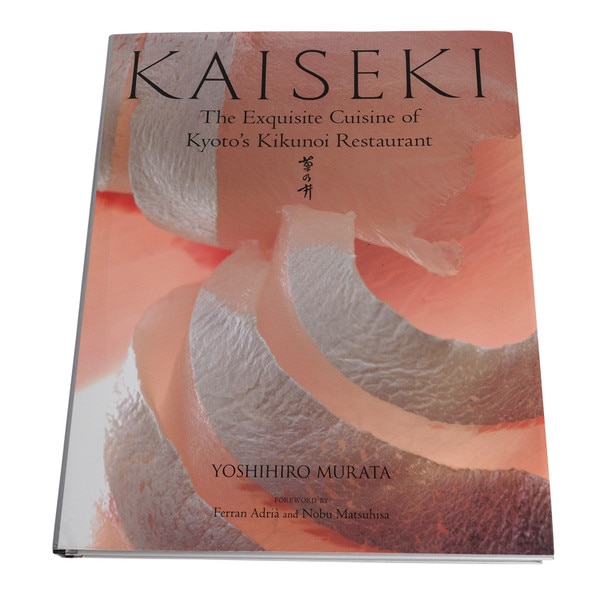
Yakimono (Grilled Dish): A Sizzling Sensation
The yakimono, or grilled dish, tantalizes the senses with its smoky aroma and savory flavors. Wagyu beef, seared over binchotan charcoal, is a popular choice. The high-quality beef melts in your mouth, its rich flavor enhanced by the subtle smokiness of the charcoal. The sizzle and aroma of the yakimono are an integral part of the kaiseki experience.
Shokuji (Rice Course): Simple Elegance
After the richness of the preceding courses, the shokuji, or rice course, provides a moment of simple elegance. A bowl of perfectly cooked Japanese rice is served with miso soup and Japanese pickles. This simple yet satisfying course cleanses the palate and prepares it for the final act.
Mizumono (Dessert): A Refreshing Finale
The mizumono, or dessert, provides a refreshing conclusion to the kaiseki journey. Seasonal fruit jelly or matcha ice cream are common choices, their light and delicate flavors perfectly complementing the richness of the preceding courses. It's a sweet and satisfying end to a truly unforgettable meal.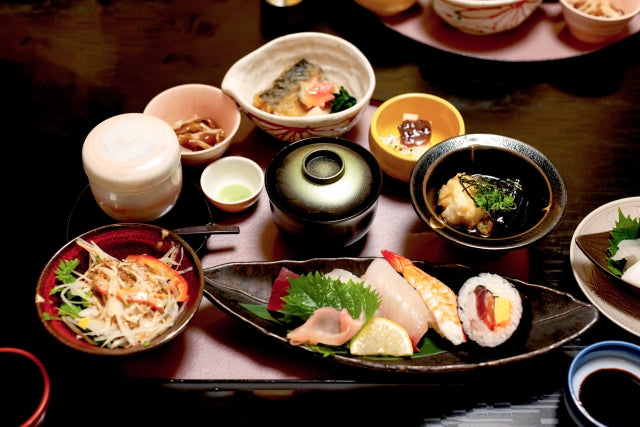
Kikunoi: A Michelin-Starred Sanctuary of Kaiseki
For an unparalleled kaiseki experience in Kyoto, look no further than Kikunoi restaurant. With its multiple Michelin stars, Kikunoi is renowned for its unwavering commitment to preserving kaiseki traditions while embracing innovation. Chef Yoshihiro Murata, a third-generation owner, is a culinary master, whose dedication to his craft is evident in every dish. Kaiseki Restaurant Kyoto Kikunoi is the best of the best.
Kikunoi offers a serene and elegant setting, allowing diners to fully immerse themselves in the kaiseki experience. The restaurant's beautiful gardens and traditional Japanese architecture create a sense of tranquility, providing the perfect backdrop for a memorable meal.
A Culinary Pilgrimage for the Discerning Traveler
Kaiseki in Kyoto is more than just a meal; it's a cultural immersion, a sensory journey that celebrates the beauty and artistry of Japanese cuisine. It's an experience that will stay with you long after you've left the table. This contributes to luxury Kyoto food tour experiences.
Experience the art of kaiseki at Kikunoi. Book your reservation through vistalocation.com [insert direct booking link to Kikunoi on vistalocation.com].