Kyoto in Bloom: A Sensory Journey Through Sakura...
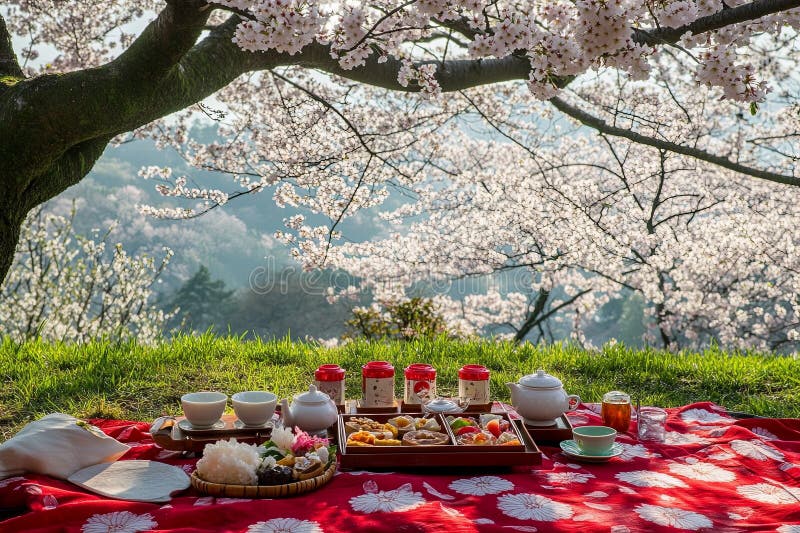
Kyoto in the spring is a dream woven in pink and white. It's more than just the visual spectacle of the sakura (cherry blossoms); it’s a complete immersion of the senses. The air hums with the anticipation of hanami (cherry blossom viewing), the gentle breeze carries the delicate fragrance of the blooms, and the taste of seasonal delicacies dances on your tongue. As a discerning traveler and amateur photographer, I, Amelia Stone, recently embarked on a 5-day journey to experience this ephemeral beauty. It's an experience that stays with you long after the petals have fallen, a reminder of the fleeting nature of beauty and the importance of savoring every moment. My Kyoto sakura trip was an exploration of ancient traditions blending harmoniously with modern life, and I’m excited to share my journey with you. Are you trying to figure out the best time to see cherry blossoms in Kyoto? Or maybe looking for Kyoto cherry blossom viewing spots? Look no further.
Day 1: Arrival and Gion's Geisha District
Stepping off the train in Kyoto, I was immediately struck by the city's unique atmosphere. Modern buildings stood alongside traditional wooden machiya houses, a testament to Kyoto's respect for its heritage. My first stop was Gion, Kyoto's geisha district. The narrow streets, lined with teahouses and traditional shops, exuded an air of mystery and elegance. I ventured into a small tea house for a traditional tea ceremony. The serene atmosphere of the tea room, with its tatami mats and minimalist decor, immediately calmed my senses. The matcha, a vibrant green tea, had a slightly bitter taste that was perfectly balanced by the sweetness of the wagashi (traditional Japanese sweets).
Remembering the etiquette I had researched, I carefully held the tea bowl, turning it slightly before taking a sip to show respect to the host. Bowing slightly is also a good practice. The entire experience was a lesson in mindfulness and appreciation. Later that evening, I attended the Miyako Odori dance performance by geisha apprentices, known as maiko. The vibrant costumes, intricate movements, and traditional music created an enchanting spectacle. The atmosphere of the theater was electric with anticipation and admiration. It's truly one of the best things to do in Kyoto besides cherry blossoms.
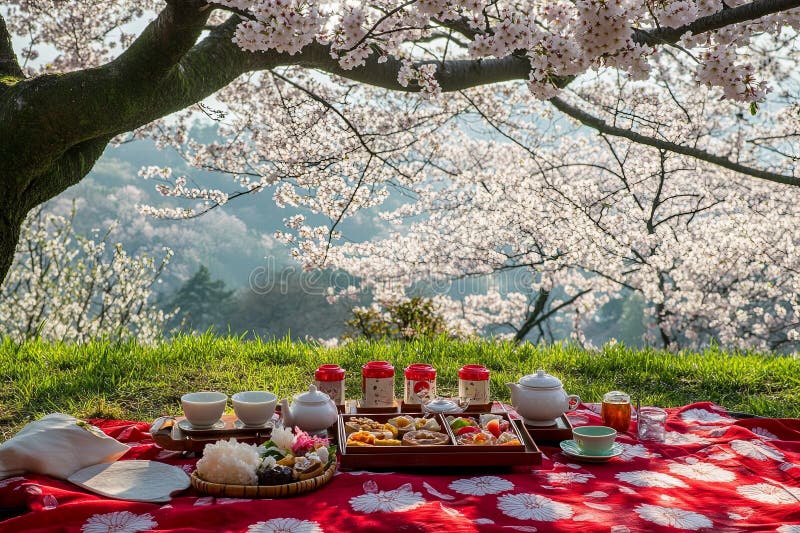
Tip for visitors: Many tea houses offer English-speaking tea ceremonies. Booking in advance is highly recommended. If you are looking for an authentic Kyoto tea ceremony cherry blossom season, book your reservations far in advance.
Day 2: Temples and Gardens
I started day two with an early morning visit to Ryoan-ji Temple. Arriving around 8:00 AM allowed me to experience the Zen garden in relative tranquility before the crowds arrived. The fifteen carefully placed stones, surrounded by meticulously raked gravel and moss, evoked a sense of calm and contemplation. I sat on the wooden veranda, letting my mind wander and trying to grasp the deeper meaning of the garden's design. The feeling of the cool morning air and the stillness of the surroundings was truly meditative.
Next on my itinerary was Kinkaku-ji (Golden Pavilion). The pavilion's shimmering reflection on the pond was breathtaking. The surrounding landscape, with its manicured trees and serene atmosphere, added to the pavilion's allure. It's a popular spot, so expect crowds, but the beauty of the Golden Pavilion is undeniable. In the afternoon, I plunged into the sensory overload of Nishiki Market. The aromas of grilled seafood and spices filled the air, while the bright colors of tsukemono (Japanese pickles) and fresh produce assaulted my senses. I sampled freshly made takoyaki (octopus balls), savoring the crispy exterior and the soft, savory filling. One vendor, an elderly woman with a warm smile, offered me a taste of her homemade yuzu jam, a delightful blend of sweet and citrusy flavors. Is Kyoto crowded during cherry blossom season? Yes, especially in popular spots like Nishiki Market.
Tip for visitors: Nishiki Market can be overwhelming. Take your time, sample the local delicacies, and be prepared for crowds. Consider visiting during off-peak hours for a more relaxed experience.
Day 3: Sakura Viewing Extravaganza
Day three was dedicated to the main event: cherry blossom viewing! My first stop was Maruyama Park, known for its illuminated weeping cherry tree. At night, the park transformed into a festive wonderland. The sounds of laughter and music filled the air, while the scent of street food wafted through the crowd. I purchased a hanami bento box and found a spot under the blossoms to enjoy my dinner. The bento box contained an assortment of delights: delicate nigiri sushi, colorful rice balls wrapped in nori, and an assortment of pickled vegetables.
Afterwards, I strolled along the Philosopher's Path. The hundreds of cherry trees lining the canal created a breathtaking spectacle. The gentle sound of the water, the dappled sunlight filtering through the blossoms, and the occasional duck gliding by created a serene and magical atmosphere. The Philosopher's Path offered moments of quiet contemplation amidst the hanami festivities.
Tip for visitors: Maruyama Park gets incredibly crowded during peak sakura season. Arrive early to secure a good spot for hanami. The Philosopher's Path is best enjoyed during the day to appreciate the beauty of the blossoms. If you're trying to figure out how to get to Kyoto from Osaka during cherry blossom season, consider taking the Shinkansen (bullet train) for a quick and comfortable journey.
Day 4: Fushimi Inari Shrine and Kimono Experience
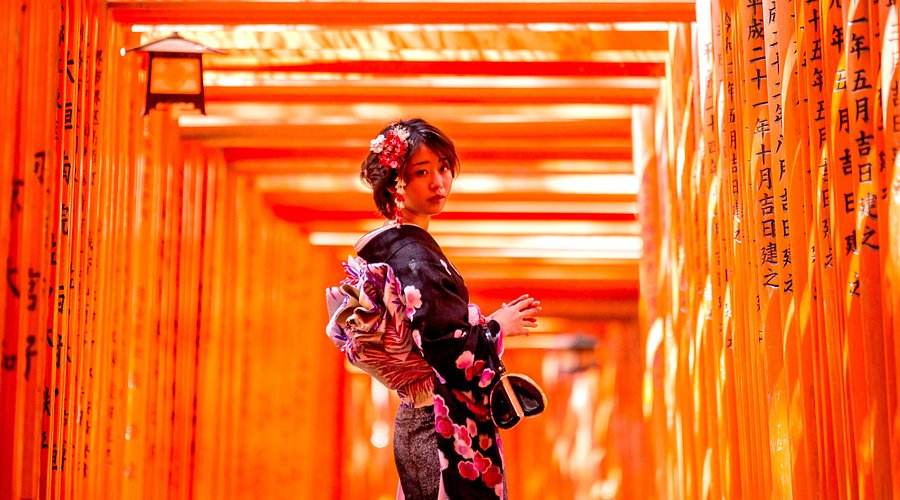
I dedicated day four to exploring Fushimi Inari Shrine. The thousands of vibrant red torii gates winding up the mountain created a mesmerizing sight. The scent of incense hung in the air, adding to the mystical atmosphere. I started my ascent early in the morning (before 9:00 AM) to avoid the crowds, and it was well worth it. As I climbed higher, the panoramic views of Kyoto unfolded before me.
Afterwards, I decided to rent a kimono for a photo shoot at the shrine. The process of selecting the kimono was an experience in itself. With the help of the shop assistant, I chose a beautiful silk kimono with a delicate cherry blossom pattern. Wearing the kimono was a transformative experience. I felt a sense of connection to Japanese tradition and a newfound appreciation for the beauty and grace of the garment. Walking through the shrine in a kimono, I was aware of the respectful way to behave, taking smaller steps and maintaining a dignified posture.
Tip for visitors: Fushimi Inari Shrine is a popular destination. Arriving early is essential to avoid crowds. Renting a kimono is a fun and memorable experience, but be sure to choose a reputable rental shop and be respectful of the garment. Where to rent kimono in Kyoto during cherry blossom? Many shops are near Kiyomizu-dera and Kyoto Station.
Day 5: Plum Blossoms and Departure
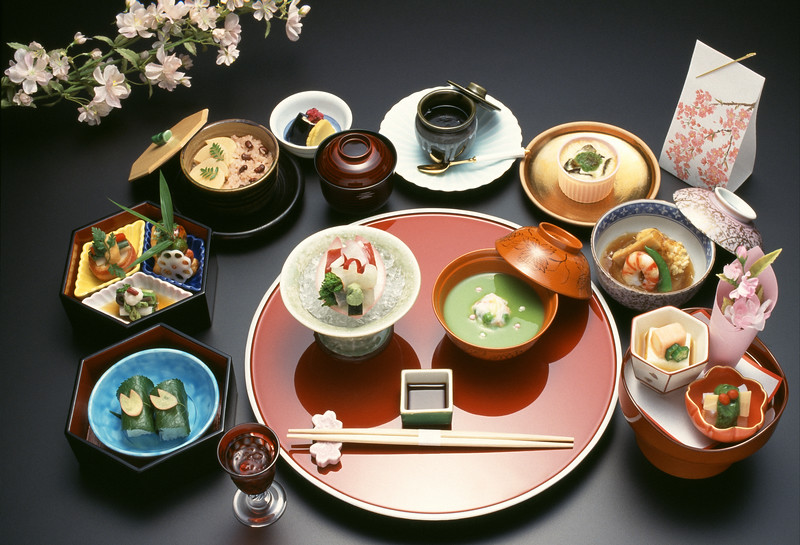
My trip coincided with the tail end of the plum blossom season, so I made a visit to Kitano Tenmangu Shrine for the Baikasai Plum Blossom Festival. The contrast between the white and pink plum blossoms was stunning. I also had the opportunity to witness a traditional tea ceremony performed by geisha, a beautiful and elegant display of artistry. In the evening, I enjoyed a farewell kaiseki dinner at Kikunoi, a renowned restaurant. Each course was a work of art, both visually and gastronomically. The presentation was impeccable, the flavors were delicate and nuanced, and the textures were a delightful contrast.
Reflecting on my journey, I was struck by the ephemeral beauty of sakura season and the rich cultural heritage of Kyoto. It was a sensory journey that touched my soul and left me with a deep appreciation for the beauty and transience of life. If you are a discerning traveler looking for Kyoto cherry blossom season travel tips Amelia Stone, remember to be mindful, respectful, and savor every moment.
Tip for visitors: Kaiseki dinners can be expensive, but they offer a unique and unforgettable culinary experience. Reservations are essential, especially at renowned restaurants like Kikunoi.
My five days in Kyoto were a whirlwind of beauty, culture, and sensory experiences. From the serene temples and gardens to the bustling markets and vibrant festivals, Kyoto in sakura season is an unforgettable destination. I hope my journey inspires you to plan your own Kyoto Sakura trip and experience the magic of this extraordinary city. If you are wondering about Kyoto Spring Travel, consider the vistalocation.com booking platform for great deals.