Kyoto in Autumn: A Landscape Architect's Perspec...
Konnichiwa from Kyoto! My name is Kenji Tanaka, a landscape architect hailing from the sunny shores of Los Angeles. For years, I’ve been captivated by the serene beauty and profound design principles of Japanese gardens. Now, I'm finally here, immersing myself in Kyoto's autumn splendor to study the seamless blend of traditional garden aesthetics with modern urban spaces. I’m particularly interested in exploring how the city's design navigates the change of seasons, specifically during the peak of autumn foliage. I landed at Kansai International Airport (KIX) and took the efficient train directly to Kyoto Station, a modern architectural marvel in itself. The Hotel Granvia Kyoto, conveniently located within the station, offers not only ease of access but also a rooftop garden with panoramic views, a perfect starting point for my design-focused adventure.
Arrival and Initial Impressions: A City in Harmony
The flight from Los Angeles to Kansai International Airport (KIX) was long, but the anticipation kept me buzzing. Stepping off the train at Kyoto Station, I was immediately struck by the juxtaposition of sleek, modern architecture and the subtle hints of traditional design elements. The city, even in its bustling center, exuded a sense of calm and order. My stay at the Hotel Granvia Kyoto was excellent, primarily due to its convenience. Being directly within Kyoto Station made exploring incredibly easy, and the rooftop garden provided a stunning overview of the city, allowing me to get my bearings and appreciate the topography of Kyoto from above before even venturing out. It's a reminder that even within a modern transportation hub, tranquility and beauty can find a place.
A Moment of Zen: Tea Ceremony at Ippodo Tea Co.
My first deep dive into Japanese culture was at Ippodo Tea Co., a renowned tea merchant with a tea room where you can participate in an authentic tea ceremony. The precision and grace of the tea preparation were mesmerizing. Each movement, from the whisking of the matcha to the placement of the tea bowl, was deliberate and imbued with meaning.
The tea master explained the importance of wa (harmony), kei (respect), sei (purity), and jaku (tranquility) – principles that resonate deeply with garden design. The tea ceremony, like a well-designed garden, seeks to create a space for contemplation and connection with nature. The minimalist aesthetic and emphasis on natural materials in the tea room mirror the elements found in many Japanese gardens, reinforcing this connection between the two art forms.
Kiyomizu-dera Temple: Illuminated Autumn Spectacle
Kiyomizu-dera Temple is breathtaking any time of day, but during the autumn illumination, it's pure magic. The temple grounds are bathed in light, accentuating the vibrant hues of the Japanese Maple (Acer palmatum) and other deciduous trees. The interplay of light and shadow on the leaves creates a dynamic visual experience, transforming the familiar landscape into something otherworldly. From a design perspective, the illumination highlights the temple's architectural details and the careful placement of trees within the landscape. It's a masterful example of how light can be used to enhance the existing beauty of a space. The reflections of the illuminated foliage in the pond below added another layer of depth and beauty.
Sensory Overload: Arashiyama Bamboo Grove
Walking through the Arashiyama Bamboo Grove is an experience that engages all the senses. Towering bamboo stalks create a sense of enclosure and tranquility, filtering the sunlight into dappled patterns on the ground. The sound of the wind rustling through the bamboo is like a gentle whisper, and the air is filled with a subtle, earthy fragrance. Visually, the grove is a study in texture and light, with the smooth, green stalks contrasting with the rough texture of the forest floor. As a landscape architect, I appreciate the grove's simplicity and its ability to evoke a sense of awe and wonder. The bamboo grove is a masterclass in how a single material, repeated and arranged thoughtfully, can create a powerful and immersive environment.
Deconstructing Zen: Design Analysis of Ryoan-ji Temple Rock Garden
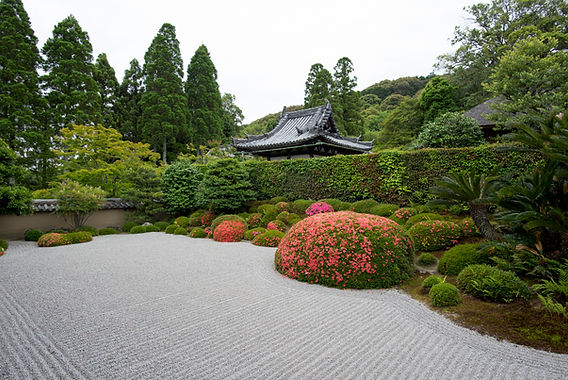
Ryoan-ji Temple's rock garden is arguably one of the most famous Zen gardens in the world. As a landscape architect, analyzing its design is a fascinating exercise. The garden consists of fifteen rocks arranged in five groups on a bed of meticulously raked gravel. The genius of the design lies in its simplicity and ambiguity. From any vantage point, it's impossible to see all fifteen rocks at once, forcing the viewer to engage actively with the space and contemplate its meaning.
The use of negative space is also crucial. The gravel represents water, and the rocks represent mountains or islands. The arrangement of the rocks is asymmetrical, yet balanced, creating a sense of harmony and tranquility. The garden invites contemplation on themes of impermanence, emptiness, and the nature of reality. It demonstrates the power of minimalist design to evoke profound emotions and philosophical insights. This garden challenges the viewer to seek personal meaning and understanding.
The Philosophical Implications of Stone Placement
The carefully calculated placement of the rocks, combined with the extensive use of raked gravel, creates a micro-landscape that encourages deep contemplation. Every aspect of the design seems intentional, prompting questions about scale, perspective, and the relationship between man and nature.
Capturing Essence: Sketching Session at Shisen-do Temple
Shisen-do Temple offers a more intimate and less crowded garden experience. The garden is known for its meticulously maintained azaleas and maple trees, which explode in vibrant colors during the autumn season. I spent an afternoon sketching here, focusing on the interplay of the garden's elements. I chose to sketch the cascading waterfall and the carefully pruned pine trees, capturing their forms and textures in my sketchbook. Sketching allows me to truly observe and internalize the design principles at play. It's a way of connecting with the landscape on a deeper level, understanding the designer's intent, and appreciating the subtle nuances of the garden's composition. It’s a practice I highly recommend to other design professionals, and even casual observers.
Getting Hands-On: Kokedama Workshop
Wanting to experience Japanese gardening in a more hands-on way, I participated in a Kokedama workshop. Kokedama is a form of Japanese garden art where a plant's root ball is covered in moss and bound with string, creating a living sculpture. The process was surprisingly meditative, involving carefully mixing soil, shaping the moss ball, and securing the plant in place. It was a wonderful way to connect with the earth and learn about traditional Japanese gardening techniques. The finished Kokedama is a beautiful reminder of my time in Kyoto and a tangible connection to the natural world.
A Culinary Masterpiece: Kaiseki Dinner at Kikunoi
No trip to Kyoto would be complete without experiencing Kaiseki cuisine. I chose Kikunoi, a renowned restaurant that exemplifies the art of Kaiseki. The dinner consisted of multiple courses, each a miniature work of art. The dishes showcased seasonal ingredients, presented with exquisite attention to detail. I remember the delicate slices of sashimi, the perfectly grilled fish, and the flavorful vegetable broth. Each dish was a celebration of the season and a testament to the chef's skill. The Kaiseki dinner was more than just a meal; it was a holistic sensory experience that combined taste, sight, and aroma in perfect harmony.
Sweet Indulgence: Matcha Ice Cream at Tsujiri Tea House
After a long day of exploring, I treated myself to matcha ice cream at Tsujiri Tea House. The ice cream was rich, creamy, and intensely flavored with matcha. The slight bitterness of the matcha was perfectly balanced by the sweetness of the ice cream. The tea house itself was a tranquil oasis, providing a welcome respite from the bustling streets of Kyoto. It was the perfect way to end the day, savoring the flavors of Japan and reflecting on the beauty I had encountered.
A Taste of Tradition: Kitsune Udon Near Fushimi Inari Shrine
After visiting the mesmerizing Fushimi Inari Shrine with its thousands of vibrant red torii gates, I was ready for a comforting meal. I found a small, local restaurant nearby serving Kitsune Udon. The broth was savory and deeply flavorful, the udon noodles were perfectly chewy, and the sweet, braised tofu (the "Kitsune," or fox) was a delightful addition. The atmosphere of the area, filled with the energy of pilgrims and the scent of incense, added to the overall experience. It was a simple yet satisfying meal that perfectly captured the essence of Kyoto's culinary traditions.
Landscape Details: The Essence of Autumn
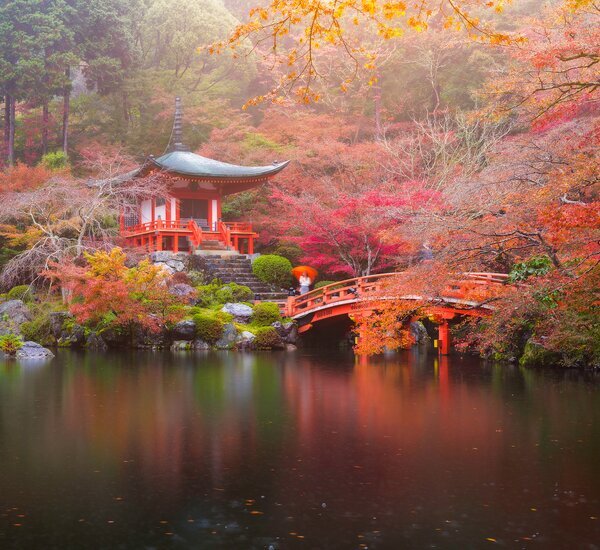
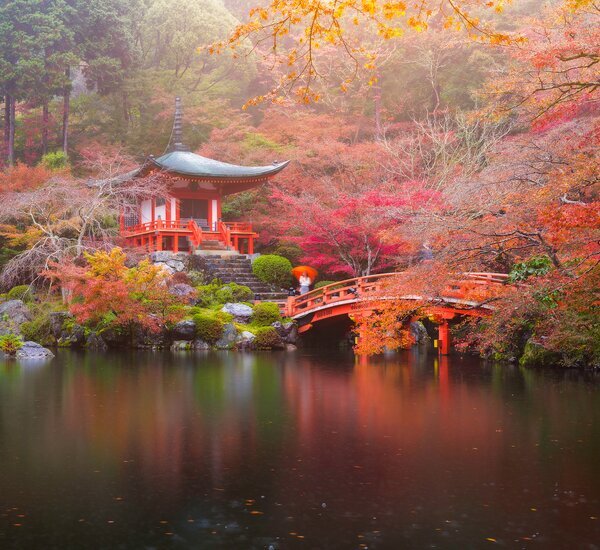
Kyoto in autumn is a painter's palette come to life. The fiery reds and oranges of the Japanese Maple trees are juxtaposed with the golden yellows of the Ginkgo (Ginkgo biloba). The textures of the moss gardens are soft and velvety, providing a contrasting element to the vibrant foliage above. The interplay of light and shadow in the bamboo groves creates a dynamic visual experience, constantly shifting and changing with the movement of the sun. The landscape is alive with color, texture, and light, offering endless inspiration for designers and artists alike.
Capturing Kyoto: Photography Equipment and Tips
During my trip, I relied on my Sony Alpha 7R IV with a 24-70mm lens for general shots and a 70-200mm lens for capturing details and compressing the landscape. Here are a few tips for photographing in Kyoto:
- Respect the Sacred Spaces: Be mindful of noise levels and avoid disrupting the tranquility of temples and gardens.
- Capture the Light: Pay attention to the quality of light at different times of day. Early morning and late afternoon offer the most flattering light for capturing autumn colors.
- Use a Tripod: For low-light photography in temples, a tripod is essential.
- Be Mindful of the Environment: Stick to designated paths and avoid damaging plants or disturbing wildlife.
- Focus on Details: Don't just capture the grand vistas; look for smaller details that tell a story.
Practical Advice for Travelers
Planning a trip to Kyoto? Here's some practical advice:
- Transportation: The Kyoto subway and bus system are efficient and easy to use. Consider purchasing a day pass for unlimited travel.
- Japan Rail Pass: If you're planning on traveling extensively throughout Japan, a Japan Rail Pass can save you money.
- Best Time to Visit: The peak of autumn foliage in Kyoto is typically in November, but it can vary from year to year. Check foliage forecasts before you travel.
- Temple Etiquette: Remove your shoes before entering temples and be respectful of prayer areas.
Experiencing Traditional Stays at Ryokans
For an authentic cultural experience, consider staying at a traditional ryokan. These Japanese inns offer tatami-mat floors, futon beds, onsen (hot springs), and exquisite Kaiseki cuisine. Tawaraya and Hiiragiya are two renowned ryokans known for their beautiful gardens and exceptional service. A stay at a ryokan allows you to immerse yourself in Japanese culture and experience the beauty of traditional design firsthand.
Conclusion: Inspiration Found in Kyoto
My trip to Kyoto has been an incredibly enriching experience, both personally and professionally. I've been deeply inspired by the city's seamless integration of traditional garden design principles with modern urban spaces. The emphasis on harmony, simplicity, and connection with nature has reaffirmed my commitment to creating landscapes that are not only beautiful but also meaningful and sustainable. I plan to incorporate many of the lessons I've learned in Kyoto into my own landscape architecture projects, striving to create spaces that evoke a sense of tranquility, wonder, and connection with the natural world.
Now, I want to hear from you! What are your favorite gardens around the world? What are your thoughts on the intersection of nature and design? Share your comments below!