Kyoto in Autumn: A Journey of Solitude and Seren...
The crisp air nipped at my cheeks as I stepped off the Shinkansen in Kyoto. Late November. Peak foliage. And me, a solo female traveler in her early 30s, ready to escape the noise of daily life and immerse myself in the quiet beauty of Japan’s ancient capital. This wasn't just a vacation; it was a pilgrimage in search of serenity, a quest for connection with myself and a culture steeped in tradition. My aim? To uncover the unique Kyoto experiences autumn offers, moving beyond the typical tourist trail and discovering moments of genuine peace. This journey was a personal reset button, a chance to breathe deeply and appreciate the simple elegance of a world away.
Fushimi Inari at Dawn: A Vermillion Awakening
The alarm shrieked far too early, but the promise of solitude spurred me onward. Arriving at Fushimi Inari Shrine before the sun fully awakened was a stroke of luck. The thousands of vermillion torii gates, snaking up the mountainside, stood silent and majestic. Only a handful of other souls were present, their hushed footsteps barely disturbing the tranquility.
The air was cool and carried the scent of incense. As I walked, the rising sun cast long shadows, painting the gates in hues of orange and gold. Each step felt like a meditation, the rhythmic passage under the torii a symbolic journey toward inner peace. The dawn at Fushimi Inari was more than just sightseeing; it was a spiritual awakening. It was a profound start to my solo trip Kyoto Japan autumn.
A Quiet Tea Ceremony in Gion: More Than Just Matcha
Gion, known for its geishas, can be overwhelming. But I sought out a small, unassuming tea house tucked away on a quiet side street. This wasn't a touristy performance; it was a genuine experience. The host, a kind woman with eyes that held a lifetime of stories, patiently guided me through the rituals.
She explained the significance of each movement, from the precise whisking of the matcha to the delicate placement of the sweets. She shared stories of her family and the history of tea in Japan. Sipping the bitter tea, I felt a sense of connection to something ancient and profound. This private tea ceremony Kyoto autumn colors was a gentle reminder to slow down and savor the present moment. It was a beautiful part of my Kyoto autumn itinerary solo traveler.
Zen Meditation: Finding Peace in a Kyoto Temple
Seeking a deeper connection to the present, I participated in a Zen meditation session at a local temple. The temple itself was unassuming, far from the grand structures frequented by tourists. Inside, the air was thick with quiet reverence.
Under the guidance of a patient monk, I learned the basics of Zazen meditation. Initially, my mind raced with thoughts, anxieties, and to-do lists. But as I focused on my breath, a sense of calm began to descend. The feeling of inner peace was profound, a realization that the present moment is all that truly matters. This Zen meditation Kyoto beginner experience was a valuable lesson in mindfulness and a vital part of my journey toward Kyoto autumn serenity.
Shojin Ryori: A Taste of Buddhist Vegetarian Cuisine
My temple stay in the mountains offered a unique culinary experience: Shojin Ryori, Buddhist vegetarian cuisine. Each dish was meticulously prepared, not only for its flavor but also for its symbolic meaning.
The ingredients were simple – tofu, vegetables, and seaweed – but the flavors were complex and nuanced. I savored every bite, appreciating the care and intention that went into each preparation. Learning about the philosophy behind Shojin Ryori, I understood how food can be a form of meditation, a way to connect with the earth and nourish the soul. Knowing Shojin Ryori Kyoto where to eat is key to a fulfilling trip. This was far more enriching than any typical restaurant experience.
Nishiki Market: A Sensory Symphony
Nishiki Market, Kyoto's vibrant kitchen, was a stark contrast to the quiet temples and serene gardens. The narrow street bustled with vendors hawking their wares – colorful pickles (tsukemono), fresh seafood, and an array of intriguing snacks.
The air was thick with the aroma of grilling fish and simmering broth. I sampled takoyaki (octopus balls), savoring the creamy texture and savory flavor. The sheer variety of sights, sounds, and smells was overwhelming, but in the best way possible. Walking through Nishiki Market food samples Kyoto autumn made me feel completely immersed in the energy of Kyoto.
Kaiseki Dinner: An Artful Culinary Journey
For a taste of refined Kyoto cuisine, I indulged in a Kaiseki dinner at a small, family-run restaurant. Kaiseki is a multi-course meal that showcases the artistry and seasonal ingredients of Japanese cooking.
Each dish was a miniature work of art, carefully arranged and bursting with flavor. The chef explained the origins of each ingredient and the inspiration behind each presentation. From the delicate sashimi to the flavorful grilled fish, every bite was a revelation. Finding an affordable Kaiseki dinner Kyoto solo traveler takes research, but is well worth the effort for a luxurious treat.
Arashiyama Bamboo Grove: Emerald Light and Shadow
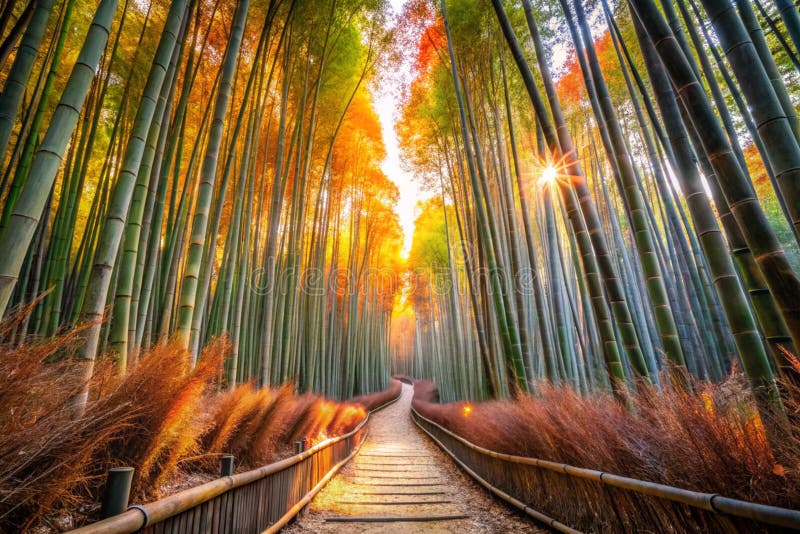
The Arashiyama Bamboo Grove is a must-see, but to truly appreciate its beauty, you need to visit at the right time. I went early in the morning, before the crowds arrived.
The towering bamboo stalks swayed gently in the breeze, creating a mesmerizing dance of light and shadow. The air was cool and damp, and the only sound was the rustling of leaves. It felt like stepping into another world, a sanctuary of peace and tranquility. Experiencing the Arashiyama Bamboo Grove best time autumn solo was a highlight of the trip.
Saiho-ji (Moss Temple): A Verdant Meditation
Saiho-ji Temple, also known as the Moss Temple, is a UNESCO World Heritage Site and a true hidden gem. A Saiho-ji Temple moss garden reservation is essential as access is restricted. Walking through the moss garden felt like entering a dream.
The moss, in countless shades of green, carpeted the ground, creating a surreal and enchanting landscape. The history of the garden is palpable, each stone and tree whispering stories of centuries past. The experience was deeply meditative, a chance to connect with nature and find solace in its serene beauty.
Kiyomizu-dera: A Panoramic Farewell
Kiyomizu-dera Temple, perched on a hillside overlooking Kyoto, offers panoramic views of the city. I visited several times throughout the day, watching as the colors of the city transformed with the changing light.
In the morning, the city was shrouded in mist, its buildings appearing as silhouettes against the horizon. At midday, the sun illuminated the colorful temples and gardens. And at sunset, the sky blazed with hues of orange and pink. Capturing Kiyomizu-dera autumn views solo female travel in photographs was a joy. It was a perfect ending to my journey.
The Event of Autumn: Sensory Overload and Emotional Impact
The entire city seemed to be participating in the "event" of autumn. The changing light, the vibrant colors, and the crisp air created a sensory experience that was both exhilarating and deeply moving. I found myself stopping frequently, simply to soak it all in. The best time to visit Kyoto for fall foliage is a feeling as much as a date.
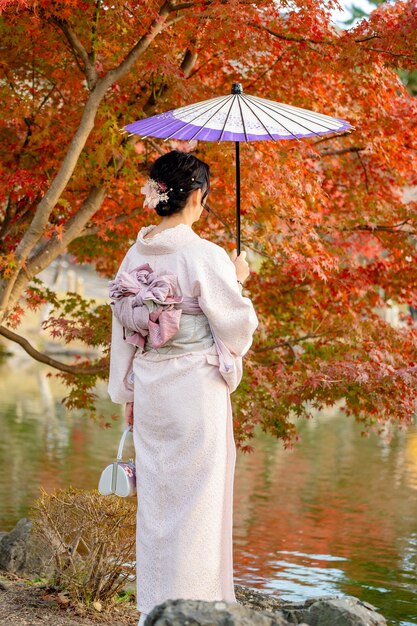
Encountering locals dressed in their autumn kimonos added another layer of beauty and cultural significance to the experience. Their elegant attire was a reminder of the deep respect for tradition that permeates Japanese society. Knowing what to wear in Kyoto in late November myself helped me feel part of this cultural tapestry.
Kyoto in autumn is more than just a beautiful destination; it's a transformative experience. As a solo female traveler, I found solitude, serenity, and a profound connection to a culture that values beauty, mindfulness, and respect. It was a journey of self-discovery, a chance to slow down, appreciate the present moment, and connect with something larger than myself. If you're seeking a meaningful travel experience, I highly recommend visiting Kyoto in autumn. And for a safe and comfortable stay, check out Vistalocation.com's Kyoto accommodations. Book your unforgettable Kyoto autumn tour package today.