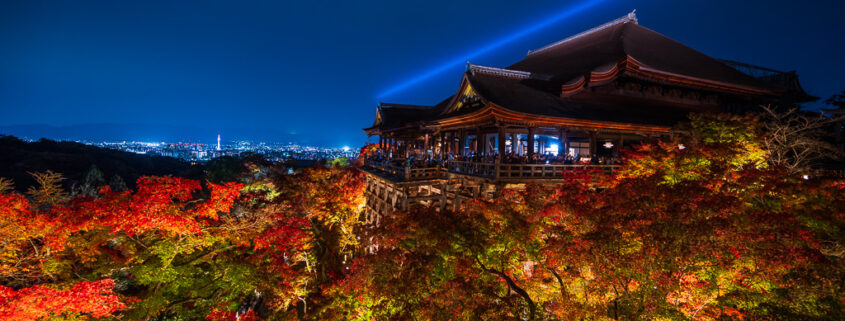
Kyoto in Autumn: A Homecoming of Flavors and Mem...
The air hung crisp and cool, carrying the faintest scent of woodsmoke – a familiar aroma that instantly transported me back in time. Stepping out of Kansai International Airport (KIX), I inhaled deeply, a sense of profound calm washing over me. It had been decades since I last breathed this air, since I last set foot on Japanese soil. My parents had brought me to California when I was barely old enough to remember, and Kyoto had existed only as fragmented memories and cherished stories. Now, I was back.
This trip wasn't just a vacation; it was a pilgrimage. My grandmother, Obaachan, had recently passed away, and I was returning to her house in Kyoto to settle her affairs and reconnect with a part of myself I thought I'd lost. As the Shinkansen bullet train whisked me towards the ancient capital, the landscape blurred into a tapestry of greens and golds. With each passing mile, my anticipation grew, a knot of excitement tightening in my stomach. This wasn't just a visit; it was a homecoming. And as I finally arrived at Kyoto Station, stepping onto the platform, I could almost hear Obaachan's gentle voice whispering, "おかえり," Okaeri – Welcome Home.
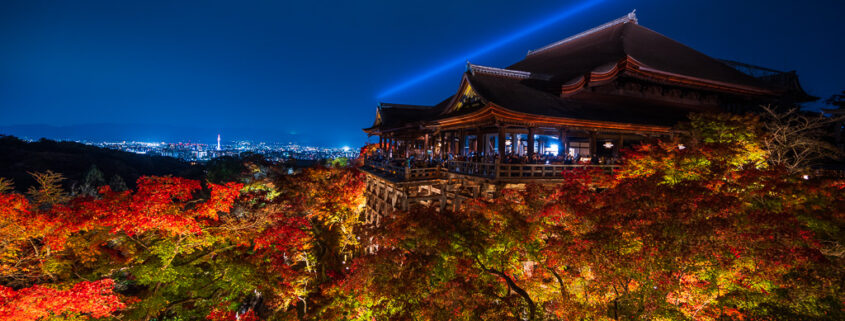
A panoramic view of Kyoto bathed in the golden light of autumn, taken from a high vantage point. The image showcases the vibrant colors of the foliage and the traditional architecture of the city.
A Journey Through Time: Jidai Matsuri
My trip coincided with the Jidai Matsuri, the Festival of Ages, a spectacle I couldn't miss. On October 22nd, I found myself swept away by the grandeur of the procession. For hours, I stood mesmerized as thousands of participants, dressed in meticulously recreated historical costumes, paraded through the city. From the elegant nobles of the Heian period to the samurai warriors of the Meiji Restoration, each era of Japanese history was brought to life with stunning detail.
The Jidai Matsuri is more than just a parade; it's a living history lesson. It was established in 1895 to commemorate the founding of Kyoto and to honor Emperor Kammu, who moved the capital to Kyoto in 794 AD. The festival is a testament to the city's rich cultural heritage and its enduring connection to the past.
The air was thick with the sounds of traditional music – the rhythmic beat of drums, the melodic strains of flutes, and the solemn chants of the participants. It was an assault on the senses, but in the best possible way. The level of detail in the costumes was astounding. I wanted to capture every single aspect of what I was seeing.
Photo Opportunity: A close-up shot of a Geisha's intricate hairstyle during the festival. Use a shallow depth of field (f/2.8) to blur the background and focus on the delicate details of the hair ornaments and the Geisha's makeup.
Finding Serenity: A Tea Ceremony at Iuemon Salon Kyoto
Seeking respite from the bustling city, I sought refuge in the tranquility of Iuemon Salon Kyoto for a traditional tea ceremony. Stepping through the unassuming entrance, I was immediately transported to another world. A serene private garden, with meticulously raked gravel and carefully pruned bonsai trees, provided a calming backdrop for the ritual.
An elegant tea ceremony featuring the traditional tea bowl, matcha and wagashi in a tranquil setting.
The tea master, with graceful and deliberate movements, prepared the matcha, the vibrant green powdered tea. Every gesture was performed with precision and mindfulness, a testament to the centuries-old tradition. The taste of the matcha was initially bitter, but it quickly gave way to a subtle sweetness, leaving a lingering warmth in my throat. It was paired with a delicate wagashi, a traditional Japanese sweet called Nerikiri, shaped like a maple leaf to reflect the autumn season. The tea ceremony was a moment of pure serenity, a chance to slow down and appreciate the simple beauty of the present moment.
A Thousand Vermillion Gates: Fushimi Inari Shrine at Night
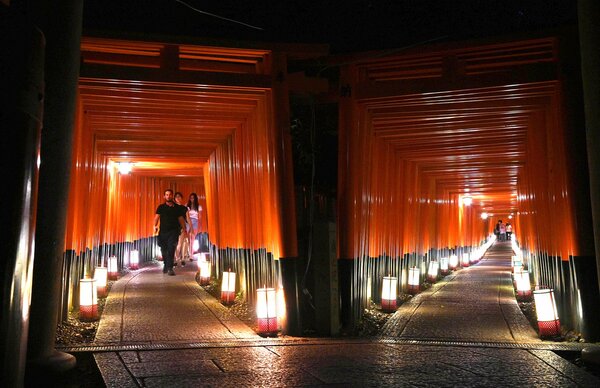
Fushimi Inari Shrine is an iconic landmark of Kyoto, famous for its thousands of vermillion torii gates winding up the mountainside. While most visitors explore the shrine during the day, I decided to venture there at night, seeking a different perspective.
The experience was surreal. The air was cool and still, and the only sound was the gentle rustling of leaves. The torii gates, illuminated by soft lights, created a mesmerizing tunnel of red that stretched endlessly into the darkness. It felt like walking through a dream.
Photo Opportunity: A long exposure shot of the torii gates at night, capturing the light trails of passing visitors. Use a tripod and a wide-angle lens (16mm) to capture the full scope of the scene.
The Art of the Brush: A Calligraphy Class
I wanted to do more than just observe Japanese culture; I wanted to participate in it. So, I signed up for a calligraphy class at a local studio. The experience was humbling. Holding the brush felt awkward and unfamiliar, and my initial attempts at writing kanji characters were clumsy and embarrassing.
But with the patient guidance of the instructor, I slowly began to improve. I learned about the importance of posture, breathing, and the delicate balance between pressure and release. As I practiced, I felt a growing connection to the art form, a sense of history and tradition flowing through my veins. It was a small step, but it was a step towards understanding and appreciating Japanese culture on a deeper level.
A Culinary Journey: Flavors of Autumn
No trip to Kyoto is complete without indulging in its culinary delights. Kyoto cuisine, known as Kyo-ryori, is renowned for its delicate flavors, artistic presentation, and use of seasonal ingredients.
I treated myself to a multi-course Kyo-ryori meal at Kikunoi, a Michelin-starred restaurant. Each dish was a work of art, a testament to the chef's skill and creativity. The meal featured matsutake mushrooms, a prized autumn delicacy, and sweet, juicy persimmons. The flavors were subtle and refined, a perfect reflection of the season.
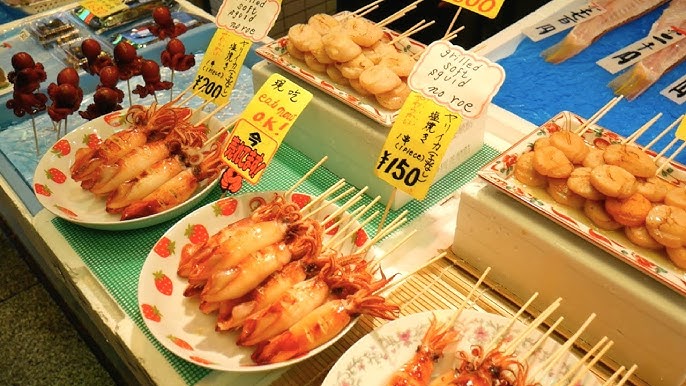
Of course, no food exploration would be complete without a visit to Nishiki Market, Kyoto's bustling kitchen. The sights, smells, and sounds of the marketplace were overwhelming, but in the best way possible. I sampled a variety of street food items, from savory takoyaki (octopus balls) to crunchy tsukemono (Japanese pickles).
But the most memorable food experience was a visit to Iharada, a small, unassuming restaurant that my grandmother used to take me to as a child. They served Obanzai, Kyoto-style home cooking, and I ordered her favorite dish: simmered eggplant with sweet miso. With each bite, memories flooded back – Obaachan's gentle smile, her warm embrace, and the comforting taste of her cooking.
Aki no Iro: Embracing the Colors of Autumn
Kyoto in autumn is a visual feast. The autumn foliage, known as "koyo," transforms the city into a vibrant tapestry of red, orange, and gold. The Arashiyama Bamboo Grove was particularly stunning. The contrast between the towering green bamboo stalks and the surrounding red and orange leaves was breathtaking.
A wide shot of Kiyomizu-dera Temple with the vibrant autumn foliage in the foreground, captured during the golden hour for warm lighting.
The view from Kiyomizu-dera Temple was equally spectacular. From the temple's wooden stage, I gazed out at a panoramic vista of the city, bathed in autumnal colors. The setting sun cast a warm glow over the landscape, creating a truly magical scene. Aki no iro – the colors of autumn – were everywhere, painting the city in hues of unparalleled beauty.
Photo Opportunity: A wide shot of Kiyomizu-dera Temple with the vibrant autumn foliage in the foreground, taken during golden hour for warm lighting. Use an aperture of f/8 to ensure sharpness throughout the image.
A Homecoming: Reflections on Kyoto
As my trip drew to a close, I found myself filled with a mix of emotions. Sadness at leaving, but also a deep sense of peace and fulfillment. Returning to Kyoto had been more than just a trip; it had been a journey of self-discovery. I had reconnected with my heritage, honored my grandmother's memory, and rediscovered a part of myself I thought I had lost.
Staying in Obaachan's house had been particularly poignant. Walking through the familiar rooms, touching her belongings, and breathing in the scent of her life, I felt her presence all around me. It was a comforting reminder of the enduring power of family and the importance of remembering our roots.
I know this won't be my last trip to Kyoto. This homecoming has stirred something within me, a desire to stay connected to my Japanese heritage and to visit more frequently. The flavors, the sights, the sounds, and the memories of Kyoto will stay with me always.
Final Image Suggestion: A portrait of Kenji in front of his grandmother’s house, a wistful expression on his face, bathed in the soft light of late afternoon. Use a 50mm lens at f/1.8 to create a shallow depth of field and a soft, intimate feel.
Kyoto in autumn is an experience that nourishes the soul. It's a place where ancient traditions meet modern life, where beauty abounds in every corner, and where the flavors of the season create memories that last a lifetime. For me, it was a homecoming, a chance to reconnect with my past and embrace my future. And I can't wait to return.