Kyoto in Autumn: A Digital Nomad's Guide to Geis...
Landing in Kyoto after a red-eye flight felt like stepping into a perfectly curated paradox. One moment I was hurtling through the countryside on a bullet train (Shinkansen), marveling at its sleek, futuristic design, and the next I was surrounded by ancient temples, their weathered wooden structures whispering tales of centuries past. This blend of cutting-edge modernity and timeless tradition is what makes Kyoto so utterly captivating, especially for a digital nomad like me navigating Kyoto digital nomad autumn. The Kyoto autumn weather for digital nomads is absolutely ideal - cool and crisp!
Arashiyama Bamboo Grove Light-Up: An Otherworldly Experience
One of the highlights of my late November trip was undoubtedly the Arashiyama Bamboo Grove light-up. Imagine strolling through towering stalks of bamboo illuminated by soft, ethereal lights, creating an almost dreamlike atmosphere. It's the kind of experience that etches itself into your memory. To make the most of it, arrive early, like seriously early. I’m talking before sunset. This allows you to explore the grove in daylight and then secure a good vantage point before the crowds descend. The event is popular, but with a little planning, you can avoid feeling like you're in a mosh pit of selfie sticks.
Things To Do: From Temples to Tea Ceremonies
Kyoto is a treasure trove of cultural experiences, and I tried to soak up as much as possible.
Fushimi Inari Shrine: A Thousand Torii Gates
Fushimi Inari Shrine, with its thousands of vibrant red torii gates winding up a mountainside, is an iconic Kyoto landmark. The key to enjoying this place is simple: wake up early. I'm talking 7 AM early. Trust me on this one. By arriving before the tour buses, you'll have the trails practically to yourself and can capture those stunning photos without battling hordes of tourists.
Traditional Tea Ceremony in Gion
No trip to Kyoto is complete without experiencing a traditional tea ceremony. I attended one in Gion, the Geisha District, which cost around ¥4000. The whole process is incredibly intricate and beautiful. I learned about the precise movements involved in preparing the matcha, the significance of each utensil, and the proper etiquette for receiving and drinking the tea. It's a truly meditative and enriching experience.
Living in a Machiya House
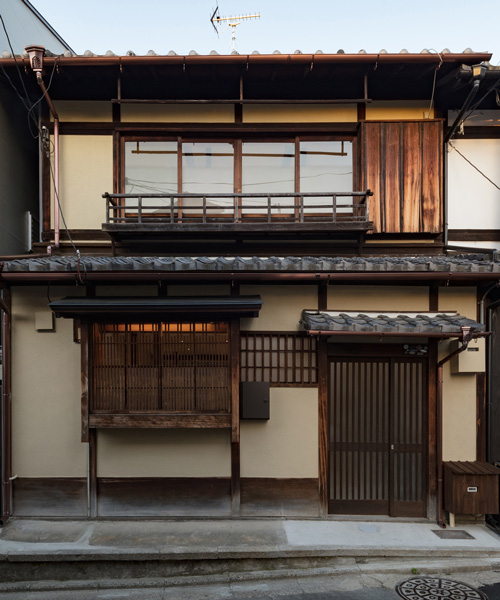
For a truly immersive experience, I rented a traditional Machiya house for three nights. The average cost was about ¥30,000 per night. It was like stepping back in time, with tatami mats, sliding paper doors, and a serene inner courtyard. While lacking some modern conveniences (like central heating – pack warm!), it was worth it for the authentic glimpse into Japanese life.
Food: A Culinary Journey
Kyoto's food scene is as diverse and captivating as its temples.
Kyo-ryori at Kikunoi: A Gastronomic Delight
For a splurge, I indulged in a Kyo-ryori dinner at Kikunoi. Be prepared to shell out around ¥30,000 - ¥50,000 per person. However, the experience is unparalleled. Each course was a work of art, showcasing the freshest seasonal ingredients and reflecting the changing colors of autumn.
Matcha Sweets in Gion
For a more budget-friendly treat, I highly recommend savoring matcha sweets at a local tea house in Gion. Tsujiri is a popular choice, and their parfaits and ice cream are divine, with prices ranging from ¥1000-¥2000.
Ramen in Pontocho Alley
And for a hearty and satisfying meal, head to Pontocho alley and slurp down some ramen at Ippudo. The atmosphere is buzzing, and the flavors are unique and unforgettable.
Landscape: A Riot of Autumn Colors
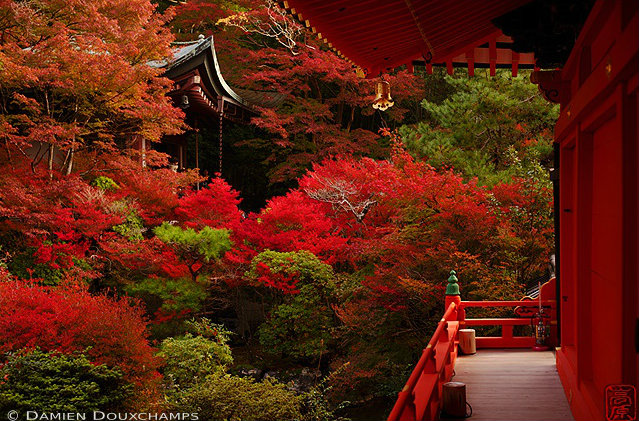
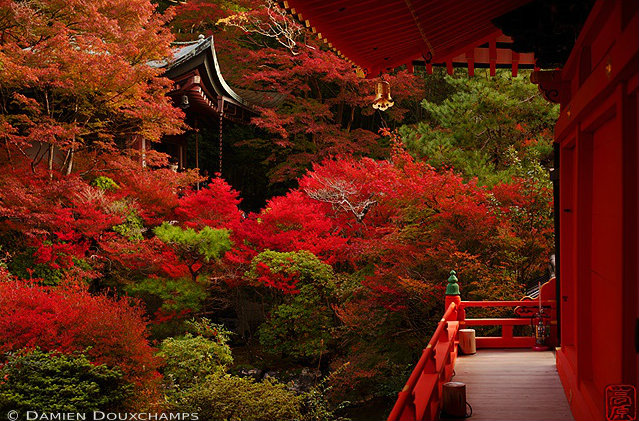
Kyoto in autumn is a visual feast. The momiji (Japanese maple leaves) transform the landscape into a tapestry of reds, oranges, and yellows. Tofuku-ji Temple is renowned for its stunning autumn foliage, offering breathtaking views from its wooden platforms. Kiyomizu-dera Temple, even with its ongoing renovations, still offers incredible views of the city and the surrounding hills ablaze with color. And for a more tranquil experience, a stroll along the Philosopher's Path, a canal-side walkway lined with cherry trees, is a must. The vibrant colors and overall sense of tranquility are simply magical.
Transportation: Navigating Kyoto and Beyond
Kyoto has an excellent public transportation system, making it easy to explore the city and its surroundings.
Japan Rail Pass: Day Trips to Nara and Osaka
If you plan on doing any day trips, a Japan Rail Pass is a worthwhile investment. I used mine for day trips to Nara and Osaka. In Nara, I visited Todai-ji Temple, home to a giant bronze Buddha statue, and spent time interacting with the friendly deer in Nara Park. In Osaka, I indulged in Takoyaki and Okonomiyaki in Dotonbori, both costing around ¥500 - ¥1000.
Kyoto's Bus System
Kyoto's bus system is extensive, but it can be crowded. Purchasing a day pass for ¥600 is a good option if you plan on using the bus frequently. Google Maps is your best friend for route planning. My insider tip? Sometimes it's faster (and less stressful) to walk short distances between destinations to avoid crowded buses.
Modern vs. Traditional: Finding the Balance
One of the things I loved about Kyoto was the seamless blend of old and new. I could be standing in front of a centuries-old temple, using my pocket wifi to instantly research its history. Speaking of which, grabbing a pocket wifi or local SIM is a must! I used Sakura Mobile and paid about ¥3,500 for the month. I was getting speeds of around 50-80mbps, which was more than enough for all my work and video calls.
Cost Breakdown: A Digital Nomad's Budget
Here's a rough estimate of daily expenses in Kyoto:
- Accommodation: ¥10,000-¥30,000
- Food: ¥5,000-¥15,000
- Transportation: ¥1,000-¥3,000
- Activities: ¥2,000-¥10,000
Of course, these are just estimates, and your actual expenses may vary depending on your travel style.
Digital Nomad Tips: Staying Connected and Productive
Where can digital nomads find coworking spaces in Kyoto?
Kyoto offers several coworking spaces, including Kyoto Research Park, which provide a comfortable and productive environment.
Best sim card for digital nomads in Kyoto autumn
- Sakura Mobile is an excellent choice and provides reliable gigabit internet in Kyoto for digital nomads.
Respect for Local Customs: Avoiding Faux Pas
Respecting local customs Kyoto digital nomad guide:
- Always queue politely.
- Remove your shoes when entering temples and traditional homes.
- Avoid loud phone conversations on public transportation.
I learned the importance of these customs the hard way. I accidentally cut in line at a popular ramen shop (jet lag, okay?), and the disapproving glares were enough to make me shrink into oblivion. I quickly apologized and learned my lesson.
Conclusion: Kyoto, a Digital Nomad's Paradise
Kyoto in autumn is an unforgettable experience. It's a place where you can immerse yourself in ancient traditions, savor delicious cuisine, and stay connected with modern amenities. For digital nomads seeking a blend of cultural immersion and modern convenience, Kyoto is a must-visit destination. Have you been to Kyoto? Share your experiences or ask questions in the comments below!