Kyoto in Autumn: A Culinary Journey Through Kais...
As the vibrant green hues of summer surrender to the warm, fiery palette of autumn, Kyoto transforms into a breathtaking spectacle. The crisp air carries the scent of fallen leaves, and the ancient temples and gardens are ablaze with the crimson and gold of koyo (autumn foliage). Amidst this visual feast, a unique culinary landscape awaits, one where the artistry of Kaiseki and the serenity of Shojin Ryori offer a profound connection to Japanese culture and the spirit of omotenashi. Journey with us as we explore these two distinct yet equally captivating culinary traditions during Kyoto's most enchanting season, discovering how each embodies the essence of Japanese hospitality in its own remarkable way.
Kaiseki: A Symphony of Seasonal Flavors and Artistry
Kaiseki, often described as Japanese haute cuisine, is a multi-course culinary experience that celebrates the ephemeral beauty of each season. It’s a carefully orchestrated symphony of flavors, textures, and visual artistry, where every ingredient is meticulously chosen for its peak seasonal flavor and aesthetic appeal. More than just a meal, it’s an immersive performance that engages all the senses. One of the most revered establishments for experiencing Kaiseki is Kikunoi, a Michelin-starred restaurant renowned for its unwavering commitment to tradition and innovation.
At Kikunoi, the experience begins with an exquisite presentation. Each course is a miniature work of art, thoughtfully arranged on handcrafted ceramics that complement the colors and textures of the ingredients. During autumn, you might encounter dishes like Matsutake Dobin Mushi (matsutake mushroom soup served in a teapot). The earthy aroma of the matsutake mushrooms, considered a delicacy of autumn, fills the air as you pour the delicate broth from the teapot into a small cup. Or perhaps you will savor Grilled Amadai (tilefish) with gingko nuts and persimmon, a dish that perfectly balances the savory richness of the fish with the slightly bitter gingko nuts and the sweet, juicy persimmon.
The omotenashi at Kikunoi is evident in every detail. The attentive service anticipates your needs without being intrusive, the chefs demonstrate a deep passion for their craft, and the entire experience is designed to create a lasting memory. This dedication to providing exceptional hospitality elevates Kaiseki dining to an art form, a testament to the rich cultural heritage of Kyoto.
The History of Kaiseki Cuisine
The roots of Kaiseki can be traced back to the tea ceremony, where a light meal, known as cha-kaiseki, was served to guests before the tea. Over time, this simple meal evolved into the elaborate multi-course cuisine we know today, reflecting the changing seasons and the refined tastes of Kyoto's aristocracy. The art of Kaiseki emphasizes not only the flavor of the ingredients but also their visual appeal and presentation.
Shojin Ryori: A Vegetarian Culinary Journey of Simplicity and Reverence
In contrast to the opulent artistry of Kaiseki, Shojin Ryori offers a different, yet equally profound, culinary experience. This vegetarian Buddhist cuisine, born from the principles of Zen Buddhism, emphasizes simplicity, purity, and reverence for nature. It's a cuisine that nourishes not only the body but also the spirit, promoting mindfulness and a connection to the natural world. Shigetsu, located within the serene Tenryu-ji Temple in Arashiyama, is a renowned destination for experiencing authentic Shojin Ryori.
The dishes at Shigetsu are prepared with meticulous care, using only plant-based ingredients such as vegetables, tofu, and seaweed. During autumn, the menu might feature Kuri Gohan (chestnut rice), a simple yet satisfying dish that celebrates the harvest season. The sweet, earthy flavor of the chestnuts perfectly complements the delicate taste of the rice. Another autumnal delight might be Simmered Koya-dofu (freeze-dried tofu) with seasonal vegetables like kabocha squash and lotus root, a dish that showcases the versatility of tofu and the vibrant flavors of autumn vegetables.

The omotenashi in Shojin Ryori is expressed through the serene atmosphere, the mindful preparation of the food, and the emphasis on providing nourishment for both body and spirit. The dining experience at Shigetsu is a tranquil escape from the bustling city, a place where you can savor the flavors of nature and connect with your inner self.
The History of Shojin Ryori Cuisine
Shojin Ryori originated in Zen Buddhist monasteries as a way to practice mindfulness and compassion. The cuisine adheres to strict principles, avoiding animal products and strong-flavored ingredients like garlic and onions, which are believed to distract from meditation. Simplicity and purity are paramount, with the goal of creating dishes that are both nourishing and spiritually uplifting.

Planning Your Culinary Trip to Kyoto
Embarking on a culinary journey through Kyoto is an unforgettable experience, but it requires some planning. Here are a few tips to help you make the most of your trip:
- Reservations: Booking well in advance is essential, especially during the peak koyo season. For Kikunoi, it's highly recommended to book several months ahead, possibly through your hotel concierge. For Shigetsu, it’s best to make a reservation when you purchase your ticket to Tenryu-ji Temple.
- Dining Etiquette: Appreciate the presentation of each dish before eating, use chopsticks correctly, and avoid wasting food. It's also customary to express your gratitude to the chef and staff.
- Dietary Restrictions: If you have any dietary restrictions, be sure to inform the restaurant when making your reservation. While Shojin Ryori is inherently vegetarian, Kaiseki restaurants can often accommodate dietary needs with advance notice.
Complementary Cultural Experiences
Enhance your culinary journey with these cultural experiences:
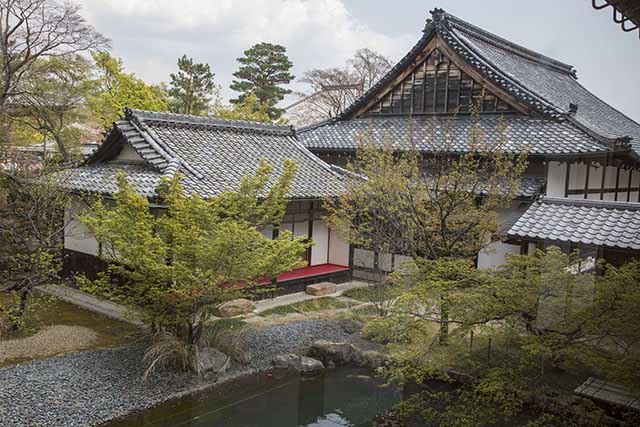
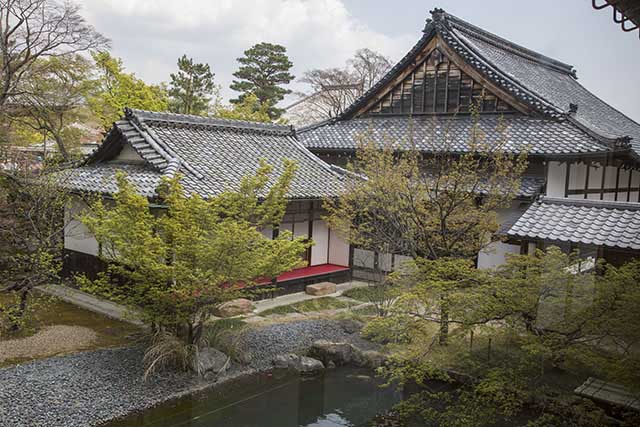
- Tenryu-ji Temple: After dining at Shigetsu, explore the temple's Zen garden, a masterpiece of landscape design that reflects the harmony and balance of nature.
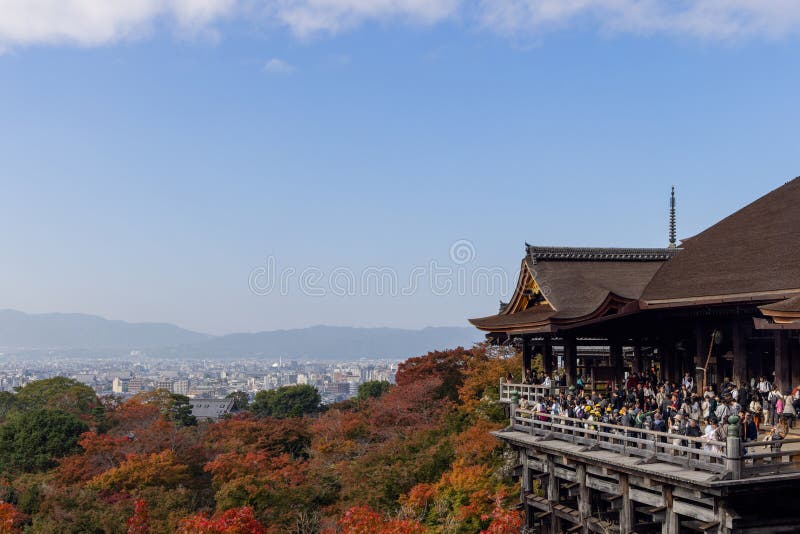
- Kiyomizu-dera Temple: After experiencing Kaiseki, visit Kiyomizu-dera Temple to admire the panoramic views of the city and the vibrant autumn foliage. This is a must see attraction in Kyoto during Autumn.
Discover the Autumn Flavors of Kyoto
Kyoto's Kaiseki and Shojin Ryori traditions offer a unique lens through which to understand Japanese culture and the profound meaning of omotenashi. Whether you're savoring the exquisite artistry of Kaiseki or the serene simplicity of Shojin Ryori, you'll discover a deeper appreciation for the beauty of autumn and the enduring spirit of Japanese hospitality. So, immerse yourself in the flavors of Kyoto and embark on a culinary journey that will nourish your body, mind, and soul. As you explore the food of this fascinating city, remember to explore all the UNESCO World Heritage Sites Kyoto has to offer. Plan your trip today and experience Omotenashi Dining Kyoto!
