Kyoto Food Culture Guide: A Journey Through Japa...
Kyoto, a city steeped in history and tradition, is more than just ancient temples and serene gardens. It's a culinary paradise waiting to be explored. Just back from my incredible trip, I’m thrilled to share my experiences, from the exquisite Kaiseki dinners to the bustling Nishiki Market. I can't wait for you to see the video footage I captured along the way – especially some intriguing Geisha sightings! This Kyoto Food Culture Guide is packed with Kyoto Japan Travel Tips designed to help you make the most of your own adventure. So, grab a cup of green tea, and let’s dive into the delicious world of Kyoto!
My arrival at Kyoto Station was nothing short of breathtaking. The modern architecture juxtaposed against the backdrop of the city’s ancient temples created an immediate sense of wonder. It’s a hub of activity, with trains whizzing in and out, and the energy of travelers from all over the world buzzing through the air. Stepping out of the station, I was immediately struck by the city’s blend of old and new – a theme that would continue throughout my entire journey.
Authentic Kyoto Kaiseki Dining at Gion Karyo
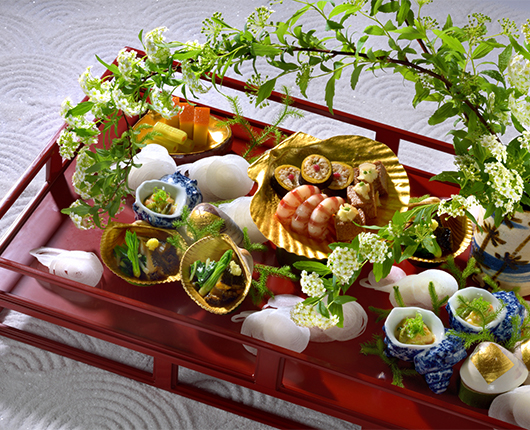
One of the highlights of my trip was undoubtedly the Kaiseki dinner at Gion Karyo. Authentic Kyoto Kaiseki Dining is an art form, a meticulously crafted multi-course meal that showcases the season’s finest ingredients. Each dish is a miniature masterpiece, both visually stunning and incredibly flavorful. Keep an eye on the upcoming video for a closer look at the artistry involved!
Hassun Course: A Symphony of Seasonal Flavors
The Hassun course was a true celebration of autumn. A beautifully arranged platter featured delicate slices of matsutake mushroom, earthy and aromatic, alongside grilled ayu (sweetfish). The subtle smokiness of the fish paired perfectly with the rich, umami flavor of the mushrooms. It was an exquisite start to the culinary journey.
Mukozuke Course: Sea Bream Perfection
Next came the Mukozuke course: thinly sliced sea bream sashimi. The fish was incredibly fresh, practically melting in my mouth. What truly elevated this dish were the accompaniments – a dab of freshly grated wasabi, offering a gentle heat, and a squeeze of sudachi citrus, adding a bright, refreshing note.
Yakimono Course: Wagyu Beef Indulgence
The Yakimono course was pure indulgence: charcoal-grilled Wagyu beef with a delicate miso glaze. The beef was incredibly tender and flavorful, the miso adding a touch of sweetness and depth. Served on a bed of pickled ginger, it was the perfect balance of rich and refreshing.
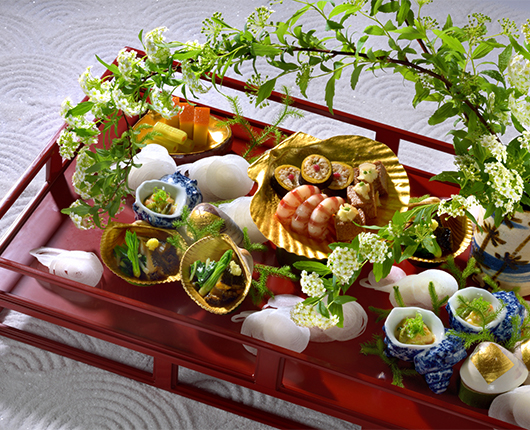
A perfectly plated Kaiseki dinner course showcasing the art and precision of Kyoto cuisine, where seasonal ingredients take center stage.
Nishiki Market Food Tour: A Sensory Overload
A visit to Kyoto isn't complete without exploring Nishiki Market, also known as "Kyoto's Kitchen." A Nishiki Market Food Tour, even a self-guided one, is an adventure for the senses. The market is a vibrant maze of stalls overflowing with everything from fresh seafood and local produce to Kyoto sweets and pickled vegetables.
My focus was on Tsukemono (pickled vegetables), a staple of Japanese cuisine. The array of colors and flavors was simply astounding.
Shibazuke: Eggplant and Cucumber Delight
Shibazuke, a vibrant purple pickle made with eggplant and cucumber, was a standout. Its tangy, slightly salty flavor was incredibly refreshing.
Senmaizuke: Pickled Turnip Elegance
Senmaizuke, thin slices of pickled turnip, was another favorite. Its delicate sweetness and crisp texture were a delightful contrast to the richer flavors of the market.
Kyuri Asazuke: Lightly Pickled Cucumber Refreshment
Finally, I sampled Kyuri Asazuke, lightly pickled cucumber. This was the perfect palate cleanser, its refreshing flavor and crunchy texture providing a welcome respite from the market’s intensity.
A colorful array of pickled vegetables (Tsukemono) in Nishiki Market, representing the variety and vibrancy of Kyoto's local cuisine.
A Final Kyoto Dinner: Exploring Kyo-Ryori
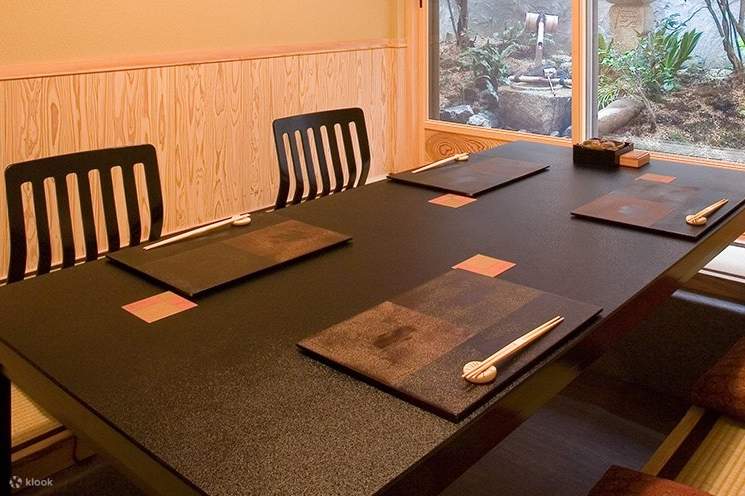
My final Kyoto dinner was a deep dive into Kyo-ryori, Kyoto’s unique cuisine, which is also known as Kyo-Kaiseki. It emphasizes seasonal ingredients, simple preparations, and elegant presentation.
Yudofu: Silken Tofu Simplicity
Yudofu, silken tofu simmered in a delicate broth, was a revelation. The tofu was incredibly smooth and creamy, the broth light and flavorful. Served with ponzu sauce and scallions, it was a simple yet satisfying dish.
Shojin Ryori: A Vegetarian Masterpiece
Shojin Ryori, a multi-course vegetarian meal reflecting Buddhist temple cuisine, was an experience in itself. The meal featured a variety of dishes, including sesame tofu, mountain vegetables, and clear broth. Each dish was thoughtfully prepared and beautifully presented, showcasing the versatility of vegetarian cuisine. If you are looking for a Kyoto Vegetarian Food Guide, this is a must-try!
Obanzai: Kyoto Home-Style Comfort
Obanzai, a selection of Kyoto home-style dishes, offered a glimpse into everyday Kyoto life. The dishes showcased seasonal ingredients and simple preparations, emphasizing the natural flavors of the ingredients.
Fushimi Inari Shrine Photography: A Sea of Red
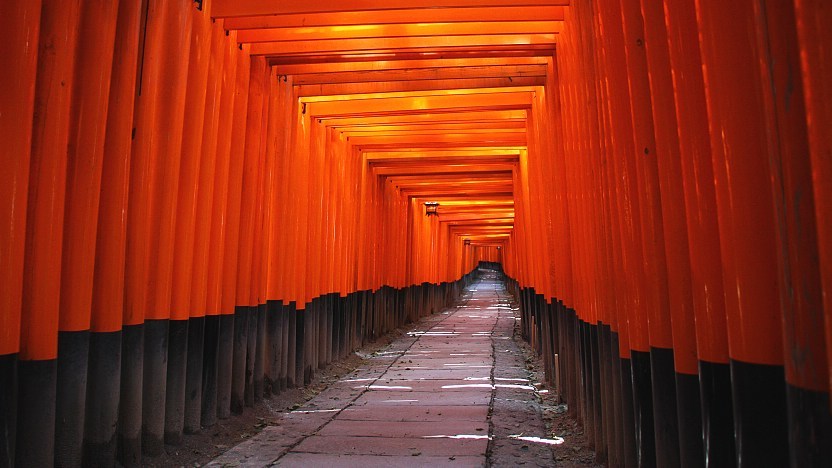
No trip to Kyoto is complete without a visit to Fushimi Inari Shrine. Thousands of vibrant red torii gates wind up the mountain, creating a truly unforgettable sight. The Fushimi Inari Shrine Photography opportunities are endless. As you ascend, keep an eye out for the fox statues. These foxes are considered messengers of Inari, the god of rice, and they often carry a key in their mouth – the key to the Shinto granary. You'll get a real sense of the magic of this location in the video!
Tofuku-ji Temple: Inspired by Song Dynasty China
Tofuku-ji Temple is another must-see. Its architecture is inspired by Song Dynasty architecture in China, creating a unique and impressive structure.
Geisha Sightings: The Mona Lisa Smile
While wandering through Gion, I was fortunate enough to catch glimpses of Geisha. Their elegant movements and serene expressions were captivating. You might just catch a fleeting image of their Mona Lisa smile in the video!
A Geisha in Kyoto, showcasing their elegance and poise, often characterized by a subtle "Mona Lisa smile."
Kyoto Japan Travel Tips: Making the Most of Your Trip
Kyoto is a city that truly captivates the senses and nourishes the soul. To make the most of your trip, here are a few Kyoto Japan Travel Tips.
Accommodation
I highly recommend Hotel Granvia Kyoto for its convenience. Directly connected to Kyoto Station, it offers easy access to transportation and upscale amenities. Book a room on one of the higher floors for stunning city views. For a more traditional experience, consider Tawaraya, a renowned Ryokan. You can find more recommendations in a Best Ryokans in Kyoto guide.
Transportation
Purchase an ICOCA card for hassle-free travel on JR and subway lines. For cost-effective inner-city travel, utilize the Kyoto City Subway One-Day Pass. And if you are trying to figure out How to get around Kyoto efficiently?, research bus routes in addition to trains and subways.
Restaurants
For a traditional atmosphere and excellent sake selection, visit Masuya Izakaya. And for soba noodles and a taste of history, head to Honke Owariya, a restaurant with a long and storied past. Don't hesitate to venture off the beaten path too, and you might discover some Hidden Gem Temples Kyoto.
Kyoto is a city that deserves to be savored. From its exquisite cuisine to its stunning temples and vibrant culture, it offers an unforgettable travel experience. I hope this guide has inspired you to plan your own adventure to Kyoto! And be sure to check out the upcoming video for even more insights and visuals!