Kyoto Autumn Photography: A Journey Through Colo...
Kyoto in autumn is a photographer's dream, a canvas painted with fiery reds, vibrant oranges, and sunny yellows. As a travel photographer specializing in street photography and traditional crafts, I, Anya Sharma, had long dreamt of capturing the fleeting beauty of this season in Japan's ancient capital. My recent trip during peak Momiji (autumn foliage) in mid-November, armed with my trusty Fujifilm X-T4, exceeded all expectations. This isn't just a travel guide; it's an invitation to experience Kyoto through the lens, to find beauty in the ephemeral, and to connect with a culture that deeply respects artistry and tradition. From the serene bamboo groves to the bustling maple leaf festivals, Kyoto’s autumn is a symphony of color and culture waiting to be captured. Join me as I share my experiences and offer tips for creating your own unforgettable photographs. If you are wondering “What is the best time to visit Kyoto for autumn photography?”, the answer is, undoubtedly, mid-November!
Immersed in Grace: A Private Tea Ceremony at Gion Corner
My journey began with an experience deeply rooted in Japanese culture: a private tea ceremony at Gion Corner, led by the captivating Geisha Miyako. The tea room itself was a study in minimalist elegance, with tatami mats, shoji screens, and a single scroll adorning the wall. Miyako-san’s movements were poetry in motion – the precise folding of the silk cloth, the deliberate whisking of the matcha, the gentle placement of the tea bowl. The matcha itself possessed a unique, earthy bitterness that gave way to a subtle sweetness, a taste that lingered long after the ceremony concluded.
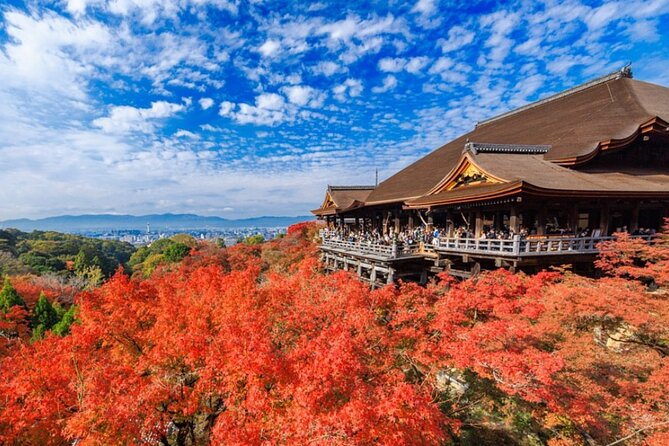
Photography Tip: When photographing Geisha, always ask for permission beforehand. Be respectful and avoid using flash, which can be distracting. Focus on capturing the grace of their movements and the subtle details of the ceremony. A longer lens (like a 50mm or 85mm) can help you capture close-up shots without intruding on their space.
The Art of Imperfection: Kintsugi at the Kyoto Handicraft Center
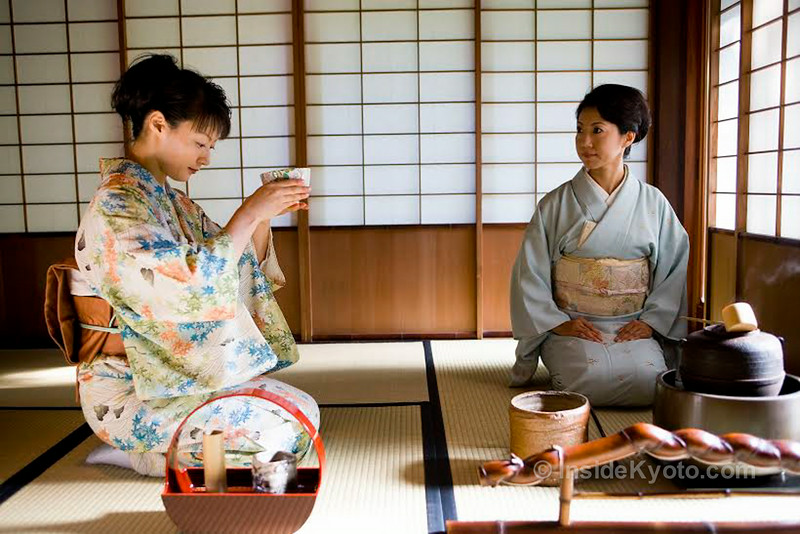
Next, I immersed myself in the ancient art of Kintsugi at the Kyoto Handicraft Center. Kintsugi is the Japanese art of repairing broken pottery with gold lacquer, celebrating the beauty of imperfection and the history of the object. Guided by a skilled artisan, I carefully pieced together a broken teacup, applying the gold lacquer with a delicate brush. The process was meditative, requiring patience and precision. As the gold shimmered against the ceramic, I reflected on the Japanese philosophy of wabi-sabi, finding beauty in the flawed and impermanent. This experience resonated deeply with my photographic style, which embraces candid moments and authentic imperfections.
Photography Tip: Capture the shimmering gold against the contrasting textures of the ceramic. Use macro photography or a close-up lens to highlight the intricate details of the repaired cracks. Natural light works best to showcase the gold's luster.
Serenity in Green: Arashiyama Bamboo Grove at Dawn
The Arashiyama Bamboo Grove is a must-see destination in Kyoto, but to truly experience its magic, you need to arrive early. I set my alarm for 6:00 AM and arrived at the grove just as the sun began to rise. At 7:00 AM, the crowds were still minimal, and the air was filled with a sense of tranquility. The dappled sunlight filtering through the towering bamboo stalks created an ethereal glow, casting long shadows and highlighting the vibrant green of the bamboo. The contrast with the surrounding autumn foliage was simply breathtaking. “Where are the best places to photograph autumn leaves in Kyoto?”, Arashiyama is certainly one!
Photography Tip: Use natural light to capture the texture of the bamboo. Look for interesting patterns and leading lines. A wide-angle lens (like a 16mm or 24mm) is ideal for capturing the scale of the grove, while a telephoto lens can help you isolate details.
A Culinary Masterpiece: Kaiseki Dinner at Kikunoi
A Kaiseki dinner at Kikunoi restaurant was an unforgettable culinary experience. Kaiseki is a traditional multi-course Japanese dinner that emphasizes seasonal ingredients and exquisite presentation. Each course was a work of art, meticulously crafted and beautifully arranged. The flavors were subtle and refined, reflecting the changing seasons and the natural landscape. From the delicate sashimi to the savory grilled fish, every dish was a testament to the chef's skill and artistry.
Photography Tip: Photograph each course as it arrives, paying attention to the composition and lighting. Use a shallow depth of field to isolate the subject and create a sense of intimacy. Be mindful of the restaurant's atmosphere and avoid using flash.
A Sweet Symphony: Matcha Sweets at Tsujiri Tea House
Kyoto is a paradise for Matcha lovers, and Tsujiri Tea House is the perfect place to indulge in a variety of Matcha sweets. I sampled everything from Matcha ice cream to Matcha cakes and pastries, each offering a unique texture and sweetness level. The regional variation of Matcha ice cream, topped with red bean paste and mochi balls, was a particular standout – a delightful combination of bitter, sweet, and chewy. “What are the best matcha sweets in Kyoto for photography?” This is certainly a must-try!
Photography Tip: Focus on capturing the vibrant green color of the Matcha and the contrasting textures of the different ingredients. Use natural light to enhance the colors and details.
Contemplation in Stone: Ryoan-ji Rock Garden
Ryoan-ji Rock Garden is a Zen garden renowned for its minimalist design and contemplative atmosphere. The garden consists of fifteen rocks arranged in five groups on a bed of white gravel, surrounded by walls and maple trees. During autumn, the maple trees burst into vibrant colors, creating a stunning contrast with the simplicity of the rocks. I spent hours simply sitting and contemplating the garden, finding a sense of peace and tranquility.
Photography Tip: Capture the arrangement of the rocks and the surrounding maple trees. Experiment with different angles and compositions to create a sense of depth and perspective. Black and white photography can also be effective in capturing the essence of the garden's minimalist design.
A Panoramic View: Kiyomizu-dera Temple
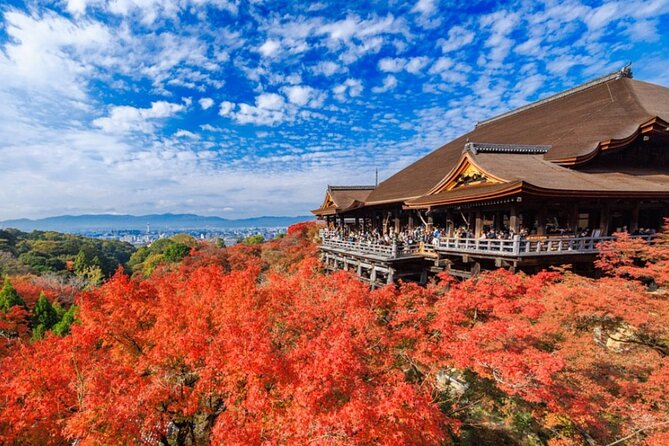
Kiyomizu-dera Temple is one of Kyoto's most iconic landmarks, famous for its wooden stage that offers panoramic views of the city. During autumn, the foliage spreads below, creating a sea of vibrant colors. The temple itself is a beautiful example of traditional Japanese architecture, and the surrounding grounds are filled with smaller shrines and gardens. “Kiyomizu-dera autumn photography” is something truly magical!
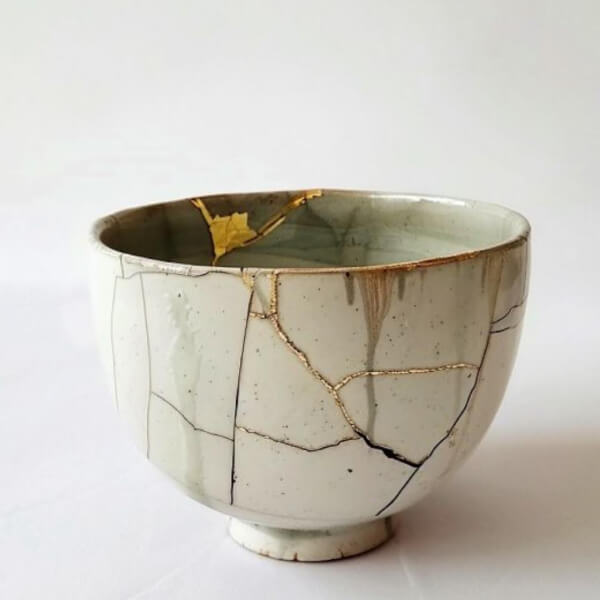
Photography Tip: Use a wide-angle lens to capture the expansive view from the wooden stage. Look for leading lines and interesting compositions to create a sense of depth. Visit early in the morning or late in the afternoon to avoid crowds and capture the best light.
Glimmering Reflection: Kinkaku-ji (Golden Pavilion)
Kinkaku-ji, also known as the Golden Pavilion, is a stunning Zen temple covered in gold leaf. The temple is reflected in a serene pond, creating a picture-perfect scene. During autumn, the surrounding trees add a splash of color to the landscape, making it even more beautiful. The key is arriving at the right time to avoid the glare on the water.
Photography Tip: The best time to photograph Kinkaku-ji is early in the morning or late in the afternoon, when the light is soft and the reflection is clear. Use a polarizing filter to reduce glare and enhance the colors.
A Celebration of Autumn: Momiji Matsuri at Kitano Tenmangu Shrine
The Momiji Matsuri (maple leaf festival) at Kitano Tenmangu Shrine was a vibrant celebration of autumn. The festival featured traditional music played by the koto, captivating dance performances, and a variety of food stalls selling takoyaki, yakitori, and other local delicacies. The energy of the festival was infectious, and it was a joy to capture the candid moments and colorful scenes. “Capture candid moments in Kyoto during Momiji Matsuri!”
Photography Tip: Capture the energy of the festival by focusing on candid moments and colorful details. Use a fast shutter speed to freeze the action and a wide aperture to create a shallow depth of field. Be respectful of the performers and attendees and avoid getting in their way.
Washi Paper TikTok Video Breakdown
Before you pack your bags, I wanted to offer a glimpse into another fascinating Japanese craft I had the privilege of experiencing: Washi paper making. Check out this quick TikTok video showing the process: [Insert TikTok Video Link Here]
Washi Paper TikTok Video Breakdown:
- HOOK (0-1 second): A burst of bright red maple leaves suddenly falling rapidly onto a vat of pulp slurry, shot in cinematic 4K with a high-speed camera at 120fps (slow-motion), shot on RED.
- SCENE (1-5 seconds): Anya is shown from a GoPro POV perspective, dipping a bamboo screen into the Washi pulp, slowly lifting it, revealing the delicate fibers, the shot uses dramatic lighting, creating strong shadows to showcase the fiber structure, orbit camera movement, and clear action, and the overall aesthetic is cinematic.
- TWIST (5-7 seconds): Rapid zoom onto a single red maple leaf embedded within the Washi paper, revealing that the leaf has unexpectedly formed the shape of a perfect heart, accompanied by joyful laughter (emotion, surprise, clarity).
Photography Tips for Capturing Kyoto's Autumnal Beauty
- Best Times of Day: Arashiyama Bamboo Grove and Kinkaku-ji are best photographed early in the morning to avoid crowds. Kiyomizu-dera Temple and Fushimi Inari-taisha are beautiful at sunset.
- Capturing Vibrant Colors: Use a polarizing filter to reduce glare and enhance the colors of the autumn foliage. Shoot during golden hour (the hour after sunrise and the hour before sunset) for warm, soft light.
- Respecting Local Customs: Always ask for permission before photographing people, especially Geisha. Be mindful of cultural sensitivities and avoid taking photos in places where it is prohibited.
Responsible Travel in Kyoto
- Respect Local Customs: Learn about Japanese etiquette and customs before your trip. Be mindful of noise levels, dress modestly when visiting temples and shrines, and avoid eating or drinking while walking.
- Support Local Businesses: Shop at local markets, eat at family-run restaurants, and stay in traditional ryokans (Japanese inns).
- Minimize Your Environmental Impact: Use public transportation, avoid single-use plastics, and dispose of your waste properly. Consider purchasing carbon offsets for your flights. “How do I avoid crowds when photographing Kyoto in autumn?” Plan ahead!
- Ethical Photography: Always ask permission before photographing people. Be mindful of cultural sensitivities. Avoid using drones near temples.
Conclusion: Capturing the Fleeting Beauty of Kyoto
My autumn journey through Kyoto was an experience that touched my soul. The vibrant colors, the rich culture, and the serene atmosphere created a truly unforgettable experience. Whether you're a seasoned photographer or a casual traveler, Kyoto in autumn is a destination that will inspire and captivate you. Remember to embrace the beauty of imperfection, respect local customs, and capture the fleeting moments that make this season so special.
Ready to capture the magic of Kyoto's autumn for yourself? Visit vistalocation.com to find the perfect photography tour and accommodation for your trip.