Kyoto Autumn Foliage Solo Trip: A Photographer's...
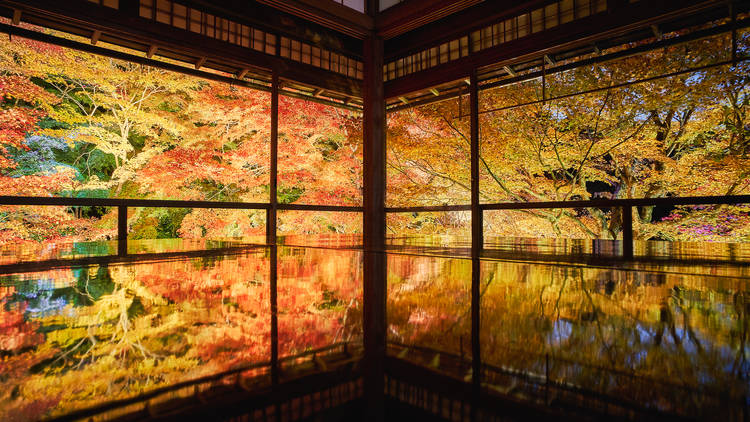
Kyoto in late November is a spectacle of nature and tradition, a symphony of fiery reds, vibrant golds, and serene greens. As a travel photographer and blogger from Mumbai, specializing in cultural and nature photography, I, Anya Sharma, had dreamt of witnessing Kyoto's koyo (autumn foliage) for years. This year, I finally turned that dream into reality with a solo trip that pushed my photographic skills to their limits and deepened my appreciation for Japanese culture. This Kyoto Autumn Foliage Solo Trip was more than just a journey; it was an immersion into art, history, and the ephemeral beauty of nature.
Chado: Finding Serenity in a Traditional Tea Ceremony
One of the most profound experiences of my trip was participating in an authentic chado (tea ceremony) in a traditional machiya (wooden townhouse). Away from the bustling crowds, the ceremony offered a moment of quiet contemplation. The graceful movements of the tea master, the delicate clinking of the utensils, and the subtle, earthy taste of the matcha created a truly immersive experience. The minimalist aesthetic of the machiya, with its shoji screens and tatami mats, enhanced the sense of calm and focus. Photography was discouraged during the ceremony itself, allowing me to be fully present in the moment. However, afterwards, I was allowed to capture some images of the space and the utensils, focusing on the textures and light within the room.
Yoru Momiji: Illuminated Temples and Gardens
Kyoto’s yoru momiji (nighttime maple leaf viewing) is an experience that is both magical and challenging for a photographer. Kiyomizu-dera Temple, with its iconic wooden stage, is a prime location for this spectacle. Thousands of visitors flock to the temple to witness the illuminated maple trees, creating a sea of people that made capturing clear shots difficult.
Kiyomizu-dera: A Symphony of Light and Crowds
Navigating the crowds at Kiyomizu-dera was a test of patience, but the rewards were immense. The crimson leaves, bathed in the warm glow of the spotlights, seemed to float against the dark night sky. I used a wide-angle lens to capture the grand scale of the temple and the surrounding foliage. The challenge was to find angles that minimized the presence of other tourists, often relying on long exposures to blur the movement of the crowds and create a sense of ethereal beauty. The reflections of the illuminated leaves in the temple's pond added another layer of visual interest.
Arashiyama Bamboo Grove: Autumn Hues Amidst the Green
The Arashiyama Bamboo Grove is breathtaking in any season, but during koyo, the experience is elevated. While the grove is primarily known for its towering green bamboo stalks, the surrounding hillsides explode with colour. The autumn foliage creates a beautiful contrast against the green, casting a warm, golden light that filters through the bamboo.
I found the best time to photograph the grove was early in the morning, before the crowds arrived. The soft, diffused light created a magical atmosphere, allowing me to capture the interplay of light and shadow on the bamboo stalks and the vibrant colors of the surrounding trees. I focused on capturing the textures of the bamboo and the delicate details of the maple leaves.
Exploring Gion in a Kimono: A Cultural Immersion
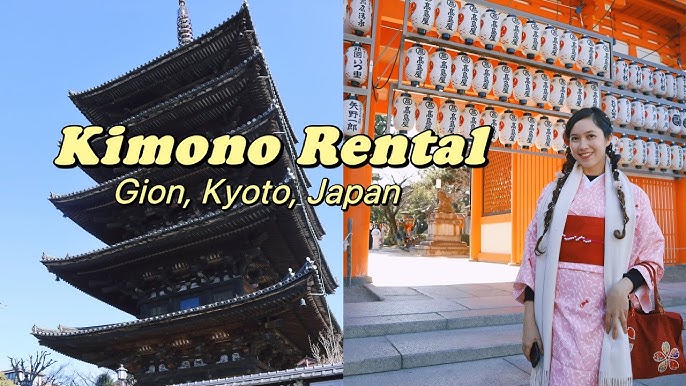
Renting a kimono and strolling through Gion, Kyoto's geisha district, was a delightful experience. The traditional streets, lined with wooden machiya, provided a perfect backdrop for photographs. It was fun interacting with other tourists, many of whom were also dressed in kimonos, and the locals were very welcoming and happy to see visitors embracing their culture. I made sure to be respectful, refraining from taking photos of geishas without their permission.
Calligraphy Workshop: Embracing the Art of Shodo
Attending a calligraphy workshop was a unique opportunity to delve deeper into Japanese culture. Learning the basic strokes and techniques of shodo (calligraphy) was both challenging and rewarding. The instructor emphasized the importance of posture, breathing, and mindfulness in creating beautiful and meaningful characters. I learned about the aesthetic elements of calligraphy, such as balance, rhythm, and flow. While my own attempts were far from perfect, I gained a newfound appreciation for the artistry and skill involved in this ancient art form.
Discovering Local Artistry: The World of Textiles
Kyoto is renowned for its craftsmanship, and I wanted to experience it firsthand. I visited a local artisan's shop specializing in Nishijin-ori, a traditional Japanese textile. The intricate patterns and vibrant colors of the fabrics were mesmerizing. The artisan explained the complex weaving process, which involves using a variety of threads and techniques to create unique designs. I learned about the history of Nishijin-ori and its importance in Kyoto's cultural heritage. It was inspiring to witness the dedication and passion of the artisan, who was committed to preserving this traditional craft.
Autumn Flavors: A Culinary Journey
Kyoto in autumn is a feast for the senses, and that includes the palate. I indulged in a variety of seasonal delicacies, from savory dishes to sweet treats.
Matsutake Mushroom Delights
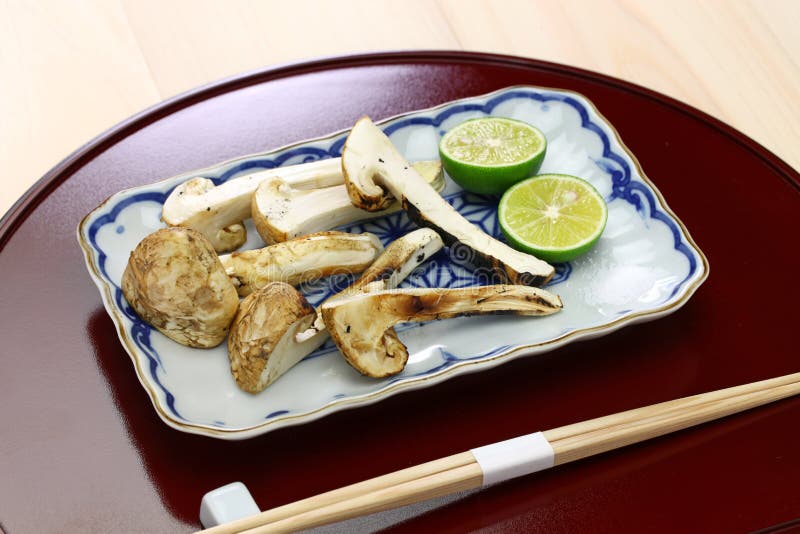
One of the highlights was trying a dish featuring matsutake mushrooms, a highly prized autumn delicacy. At a restaurant called Kiyamachi Sakuragawa, I savored a delicate broth with matsutake mushrooms, appreciating the earthy aroma and unique flavor.
Kaki (Persimmon) Sweets
I also enjoyed kaki (persimmon) sweets, which were available everywhere. The sweet, juicy persimmons were a perfect complement to the crisp autumn air.
Nishiki Market: A Culinary Adventure
A visit to Nishiki Market is a must for any foodie visiting Kyoto. The vibrant atmosphere and the array of stalls selling everything from pickles to seafood were overwhelming in the best way. I sampled a variety of treats, but the momiji tempura (maple leaf tempura) was the most memorable. The crispy, slightly sweet leaves were a unique and delicious taste of autumn.
Kyoto's Autumn Landscape: A Painter's Paradise
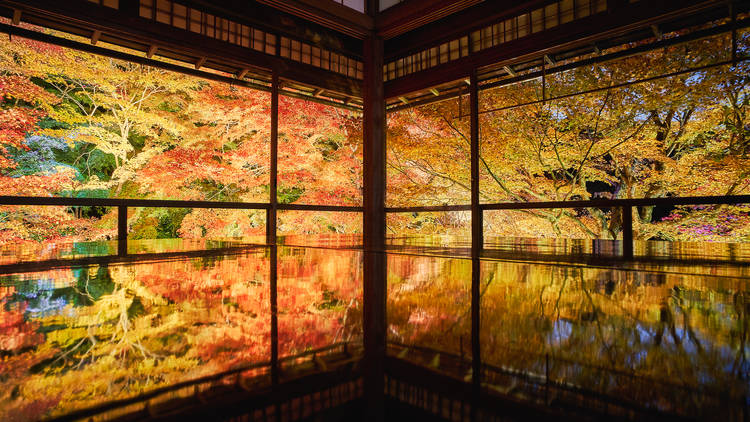
The autumn foliage in Kyoto is simply stunning. The city is transformed into a kaleidoscope of colors, with Acer palmatum (Japanese maple) and Ginkgo trees dominating the landscape. The crimson red of the maple leaves and the brilliant yellow of the Ginkgo create a striking contrast against the traditional architecture of the temples and gardens.
The light and shadows played a crucial role in my photography. Early mornings and late afternoons provided the best light, casting a warm glow on the leaves and creating dramatic shadows. I spent hours exploring the gardens, seeking out the perfect angle to capture the interplay of light and color. The reflections of the leaves in the temple ponds were particularly captivating, creating a mirror image of the vibrant foliage. The textures of the bark on ancient trees provided another interesting subject, adding depth and character to my photographs.
The Art of Capturing Autumn: Photography Challenges and Rewards
Photographing the autumn colors in Kyoto was both challenging and rewarding. The lighting conditions were constantly changing, requiring me to adjust my camera settings frequently. The crowds also presented a challenge, making it difficult to find unobstructed views. However, the beauty of the landscape and the rich cultural experiences made it all worthwhile.
I primarily used a combination of wide-angle and telephoto lenses. The wide-angle lens allowed me to capture the grand scale of the landscape, while the telephoto lens enabled me to focus on the details of the leaves and trees. I experimented with different aperture settings to control the depth of field, creating both sharp and dreamy images. I also made sure to shoot in RAW format, which gave me more flexibility in post-processing.
Reflections: Tradition, Tourism, and Transformation
Kyoto is a city of contrasts, where ancient traditions coexist with modern life. The city's cultural touchstones, such as temples, gardens, and tea ceremonies, are carefully preserved, while modern shops and restaurants cater to the needs of tourists.
Tourism has a significant impact on Kyoto, both positive and negative. On the one hand, it brings revenue to the city and supports local businesses. On the other hand, it can lead to overcrowding and the commodification of culture. It's important to be a responsible tourist, respecting local customs and supporting sustainable tourism practices.
This trip to Kyoto has profoundly impacted my perspective as a photographer and my understanding of Japanese culture. I learned to be more patient, more observant, and more respectful of the environment and the local people. I also gained a deeper appreciation for the beauty and complexity of Japanese art and culture. I now better understand the Best time to see Autumn Leaves Kyoto which is a guide to plan for anyone wanting to take a Kyoto Solo Female Travel Itinerary. This trip has inspired me to continue exploring the world and capturing its beauty through my lens. I encourage everyone to experience the magic of Kyoto for themselves, especially during the spectacular koyo season.
If you are looking to book an Affordable Kyoto travel tips for Indian travellers, then vistalocation.com is the place to get started!