Kyoto: A Taste of Nostalgia (and Tsukemono
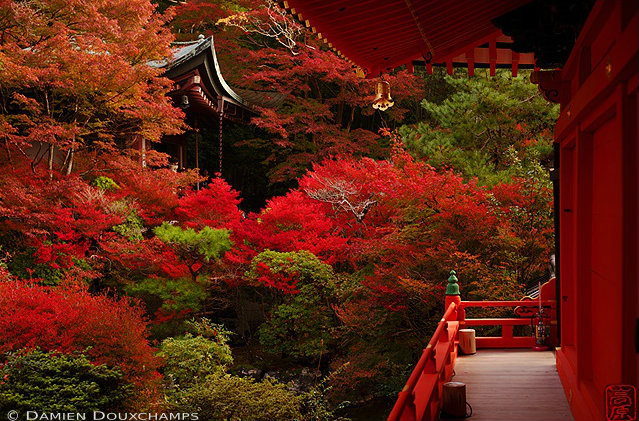
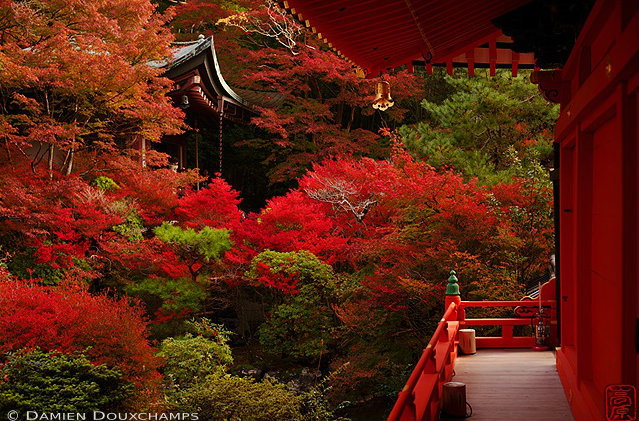
Konnichiwa, Vistalocation readers! It's Aiko, your resident Japanese food blogger, back in my furusato (故郷), my hometown, Kyoto! After ten years of living abroad, the mix of excitement and apprehension I felt as the bullet train pulled into Kyoto Station was almost overwhelming. Autumn was always my favorite time of year as a child. I remember my mother taking me to Tofuku-ji Temple, the vibrant crimson maple leaves a stark contrast against the ancient wooden structure. The memory is so vivid, so natsukashii (懐かしい) – nostalgic – that I almost expected to see my younger self running through the temple grounds. While things have become more convenient - the subway system is undeniably easier to navigate now! - I was eager to see if the traditional heart of Kyoto still beat as strongly as I remembered. And of course, I was excited to immerse myself in the beauty of the Koyo season. So pack your bags, grab your camera, and join me as I rediscover my Kyoto!
Jidai Matsuri (Festival of Ages)
My trip conveniently coincided with the Jidai Matsuri (時代祭), the Festival of Ages, held every October 22nd. Even as a child, I was mesmerized by this historical pageant, but experiencing it as an adult, with a deeper understanding of Japanese history, was something else entirely. The rhythmic taiko drums reverberated through the streets, creating an atmosphere of reverence and celebration. Thousands of participants, dressed in meticulously accurate costumes representing different periods of Kyoto's history, paraded through the city.
This year, the float representing the Meiji Restoration particularly caught my eye. The intricate details of the samurai armor and the dignified bearing of the participants were truly captivating. It reminded me of the resilience and adaptability that has always defined Kyoto. As a child, it was simply a colourful parade; as an adult, it was a powerful reminder of my heritage. It was the heart of Japanese autumn food traditions right before my very eyes.
Things To Do (with a twist!)
Fushimi Inari Shrine at Dawn
Want to find the best Kyoto autumn foliage viewing spots from a local perspective? Ditch the crowds! I decided to visit Fushimi Inari Shrine (伏見稲荷大社) at dawn. Trust me, the early wake-up call is worth it. The thousands of vermillion torii gates snaking up the mountain create a truly magical experience, and the absence of throngs of tourists allowed me to fully appreciate the serenity of the place. As the sun's first rays crested the mountains, bathing the shrine in a golden light, I felt a sense of peace wash over me. It was a powerful moment of connection to my roots, a feeling I hadn’t realized how much I missed. This really gave me a head-start to the koyo season dates!
Guided Calligraphy Class
To further connect with my heritage, I took a guided calligraphy class. The act of grinding the ink, the delicate brushstrokes, and the concentration required to write the kanji for "autumn" (秋) were incredibly grounding. It was a tactile experience that transcended language and connected me to generations of Japanese artists and scholars. Learning calligraphy is also one of the unique Kyoto experiences for Japanese expats.
Private Sake Tasting Tour
No trip to Kyoto is complete without indulging in some local sake! I booked a private sake tasting tour at a local brewery. We sampled three distinct varieties:
- Junmai Daiginjo: A refined sake with delicate floral aromas and a clean, crisp finish. It paired beautifully with fresh sashimi.
- Junmai Ginjo: A slightly bolder sake with notes of rice and earthiness. This was excellent with grilled vegetables.
- Nigori: A cloudy, unfiltered sake with a creamy texture and a subtly sweet flavor. I enjoyed this with some traditional mochi (rice cakes).
Aiko's Foodie Finds
Kaiseki Dinner at "Kiyomizu Garden Ryokan"
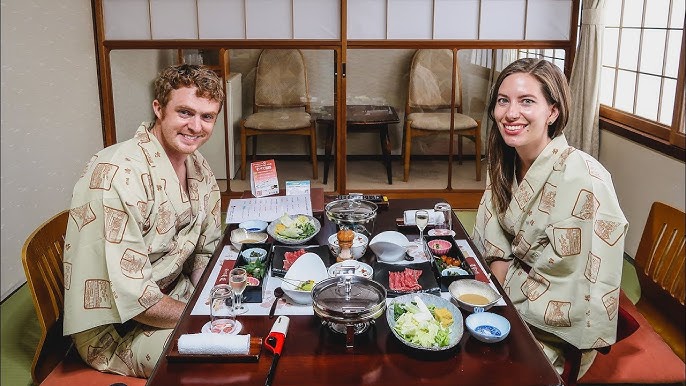
For an unforgettable culinary experience, I highly recommend a kaiseki dinner at Kiyomizu Garden Ryokan. Kaiseki is a traditional multi-course Japanese dinner, and this ryokan elevates it to an art form.
Hassun: This course is a seasonal sampler, and in autumn, it included delicate morsels of marinated mushrooms, persimmon wrapped in prosciutto, and a tiny, perfectly formed kuri gohan (chestnut rice). It was a symphony of autumn flavors!
Yakimono (grilled course): The yakimono was a grilled ayu (sweetfish), perfectly seasoned and grilled over charcoal. The subtle sweetness of the fish was enhanced by the smoky char. It was served with a side of pickled ginger.
Shokuji (rice course): The shokuji featured kinoko gohan (mushroom rice) made with locally sourced shiitake mushrooms. It was accompanied by miso soup, tsukemono (Japanese pickles), and a small dish of seasoned seaweed. The mushroom rice was so fragrant and flavorful, it transported me back to my childhood.
If you're looking for the best ryokans in Kyoto for autumn foliage viewing, the Kiyomizu Garden Ryokan is highly recommended!
Matcha Sweets
No visit back to Kyoto is complete without indulging in the local matcha! Matcha sweets near Gion recommendations include a stop at a traditional tea house near Gion where I sampled several matcha treats:
- Matcha ice cream: Creamy and subtly bitter, a perfect palate cleanser.
- Matcha mochi: Soft, chewy rice cakes filled with sweet red bean paste and coated in matcha powder.
- Matcha parfait: A layered dessert with matcha ice cream, red bean paste, shiratama (rice flour dumplings), and a crisp wafer.
The matcha ice cream tasted exactly as I remembered from my childhood, a testament to the enduring quality of Kyoto's traditional sweets.
Nishiki Market Adventure
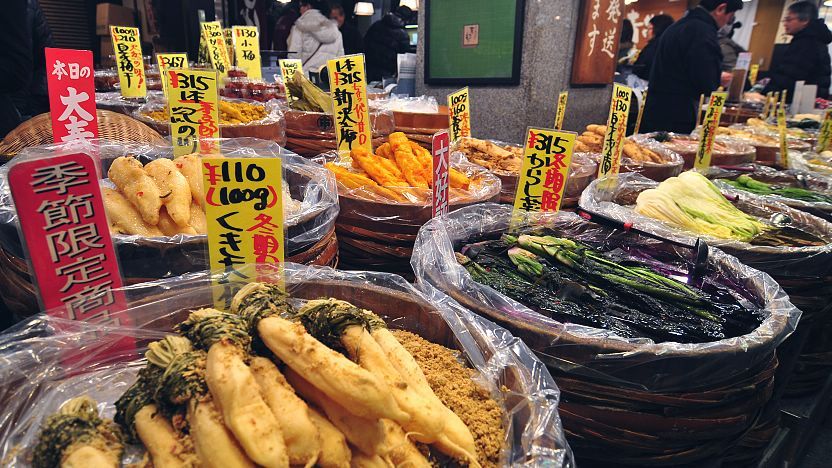
A trip to Nishiki Market (錦市場), Kyoto's vibrant kitchen, is a must for any foodie. The market is a sensory overload, with stalls overflowing with colorful produce, seafood, and of course, tsukemono (Japanese pickles). Where to eat Tsukemono in Nishiki Market Kyoto? Everywhere!
I sampled several types, including:
- Shibazuke: A vibrant purple pickle made with eggplant, cucumber, ginger, and shiso leaves. It had a tangy, slightly salty flavor and a crisp, refreshing texture.
- Senmaizuke: A thinly sliced turnip pickle with a delicate sweetness and a slightly chewy texture.
Trying these tsukemono brought back memories of my grandmother, who always had a jar of homemade pickles on the table.
Landscapes That Took My Breath Away (Again)
Arashiyama Bamboo Grove
Walking through the Arashiyama Bamboo Grove (嵐山竹林) is an ethereal experience. The towering bamboo stalks filter the sunlight, creating an otherworldly atmosphere. The sounds of the wind rustling through the leaves and the shadows dancing on the path are truly mesmerizing. The best time of day for photos here is early morning, as it's less crowded!
Kinkaku-ji (Golden Pavilion)
The Kinkaku-ji (金閣寺), the Golden Pavilion, is even more stunning in autumn. The vibrant colors of the surrounding maple trees are reflected in the pond, creating a breathtaking scene. It's one of Kyoto's UNESCO World Heritage Sites that truly sparkles in the fall!
Philosopher's Path
Walking along the Philosopher's Path (哲学の道) during the koyo season is pure bliss. The maple trees lining the canal explode in a riot of red, orange, and yellow. I paused on a small bridge, watching the leaves drift down the water, and felt an overwhelming sense of peace. In that moment, I understood why this path is so beloved by locals and tourists alike. It really captures the essence of Kyoto's autumn.
Conclusion
Returning to Kyoto after ten years was a deeply moving experience. I was surprised by how much the city had changed, yet also comforted by how much had remained the same. The omotenashi (おもてなし), the Japanese hospitality, was as warm and welcoming as ever. I rediscovered a part of myself that had been dormant, and I found a renewed appreciation for my heritage. As a Japanese expat revisiting Kyoto, I found that autumn in Kyoto is the perfect time to come home.
What are your favorite spots in Kyoto? Share your recommendations in the comments below! I'd love to try them on my next visit!
Tadaima! (ただいま!) - I'm home! It feels good to find peace among the beauty of koyo once again.