Kyoto: A History Professor's Pilgrimage Through...
Kyoto, a city steeped in history and shrouded in a unique tranquility, has long captivated the imaginations of scholars and travelers alike. As a British history professor on sabbatical, I, Elias Thorne, found myself drawn to this ancient capital, lured by the promise of unraveling the cultural influence of Zen Buddhism on its exquisite gardens. My journey, I confess, was not without its moments of academic bewilderment, but I emerged with a renewed appreciation for the subtle power of this fascinating corner of Japan. Join me, if you will, as I recount my experiences, from the hushed reverence of tea ceremonies to the boisterous energy of a Sumo wrestling tournament, all filtered through the lens of a slightly bemused historian. This exploration will highlight Kyoto historical travel, perfect for those looking for Kyoto cultural immersion tours.
Sipping Serenity: The Ippodo Tea Ceremony
My introduction to the art of Japanese hospitality began, quite predictably, with tea. Not just any tea, mind you, but a meticulously prepared bowl of matcha at Ippodo Tea Co. The setting was simple, elegant, almost monastic. The tea master, with movements refined over years of practice, conducted the ceremony with a quiet grace that bordered on the theatrical. Each gesture, from the careful whisking of the matcha to the precise placement of the bowl, spoke volumes about the profound respect for tradition.
The history of the tea ceremony is fascinating, tracing its roots back to the Muromachi Period and the rise of Zen Buddhism. It wasn't simply about drinking tea, but about cultivating mindfulness and appreciating the present moment. The matcha itself, a vibrant green powder whisked into hot water, possessed a unique flavour profile: initially bitter, with a subtle sweetness that lingered on the palate. I found it surprisingly invigorating, though I suspect the copious amounts of caffeine may have played a role. For those seeking to experience a Kyoto tea ceremony reservation, Ippodo is a must. Learning Kyoto tea ceremony etiquette tips beforehand can enhance the experience.
Roaring Rituals: A Sumo Tournament in Osaka
Leaving the tranquility of Kyoto, I ventured to Osaka for a rather more... boisterous experience: a Sumo wrestling tournament. Now, I confess, prior to this I knew little of Sumo beyond the rather stereotypical images of enormous men in loincloths. What I witnessed was a spectacle of athleticism, tradition, and surprisingly intricate ritual. The atmosphere was electric. The dohyo (ring), constructed of clay and surrounded by a thatched roof, felt like a sacred space.
The historical roots of Sumo stretch back centuries, with connections to Shinto rituals and agricultural festivals. The pre-match ceremonies were particularly captivating: the salt throwing (to purify the ring), the stomping of feet (to drive away evil spirits), and the imposing stares exchanged between the wrestlers. The matches themselves were brief, often lasting only a few seconds, but the sheer power and strategy on display were undeniable. Securing Sumo wrestling Osaka tournament schedule tickets is highly recommended for a truly unforgettable experience.
Procession of Giants: The Gion Matsuri Festival
Returning to Kyoto in July, I was fortunate enough to witness the Gion Matsuri, one of Japan's most famous festivals. The highlight, without a doubt, was the procession of the Yamahoko floats. These towering structures, some reaching up to 25 meters in height, were a testament to the craftsmanship and artistry of Kyoto's artisans. Each float was painstakingly decorated with intricate carvings, lavish textiles, and historical figures.
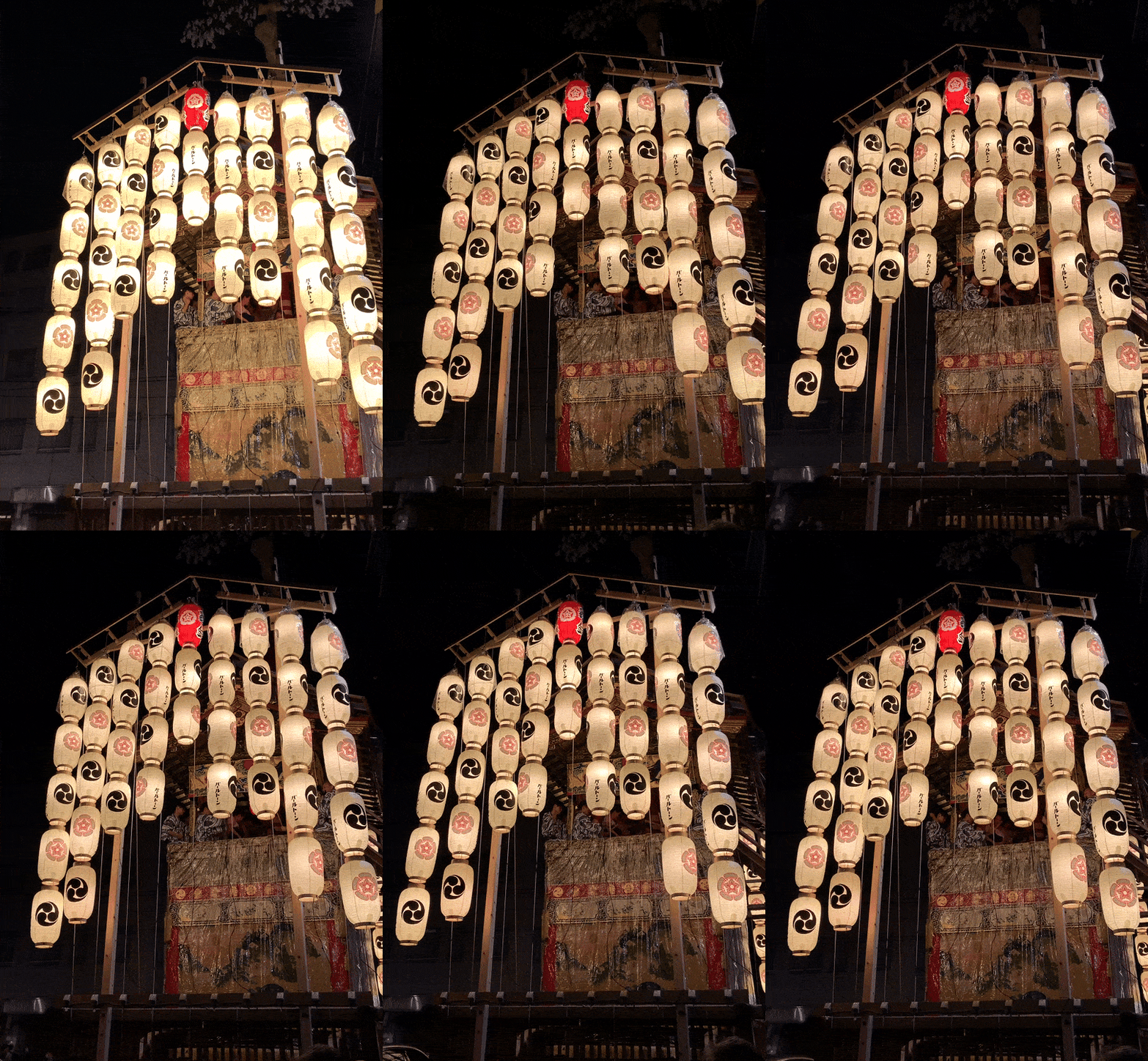
The Gion Matsuri Yamahoko floats history is deeply intertwined with the city's history, dating back to the 9th century when the festival was established to appease the gods during an epidemic. Each float represents a different neighbourhood and tells a different story. The sheer scale of the floats, combined with the vibrant atmosphere of the festival, was truly awe-inspiring. Capturing the Gion Matsuri Yamahoko floats photography proved to be a challenge, but the experience was worth it.
Seeking Enlightenment: Zen Gardens and Meditation
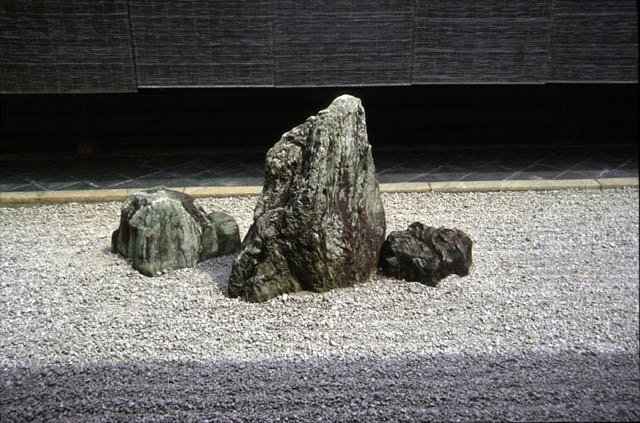
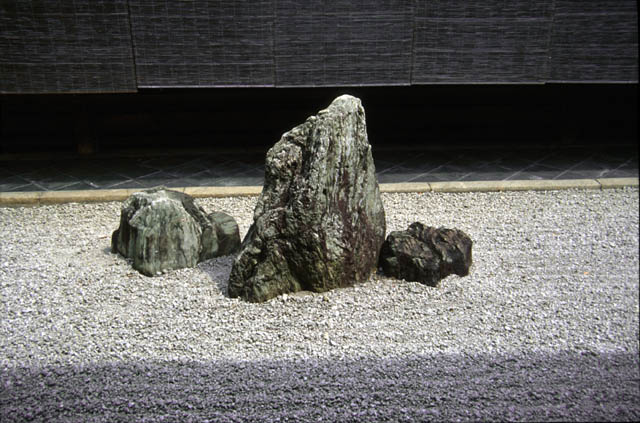
No trip to Kyoto would be complete without exploring its famed Zen gardens, and I, as a professor researching the Zen Buddhism influence Japanese gardens, made it a point to visit as many as possible. The Ryoan-ji garden, perhaps the most famous, was particularly compelling. Fifteen rocks, arranged in five groups, sit amidst a sea of raked gravel. The simplicity is deceptive.
The philosophical interpretations of the rock arrangements are endless, ranging from representations of islands in the sea to the peaks of mountains rising above the clouds. The key, of course, is to approach the garden with a sense of contemplation and to allow one's own interpretations to emerge. A meditative walk Ryoan-ji Garden guided tour is highly recommended to fully appreciate the garden's serene atmosphere.
Sensory Overload: The Torii Gates of Fushimi Inari
From the minimalist aesthetic of Ryoan-ji, I ventured to the sensory overload of Fushimi Inari Shrine. Thousands upon thousands of vermillion torii gates wind their way up the mountain, creating a seemingly endless tunnel of vibrant colour. The effect is both disorienting and strangely uplifting. Walking through the gates, I couldn't help but feel a sense of being transported to another world.

The Fushimi Inari Shrine historical significance is tied to the worship of Inari, the god of rice and prosperity. The torii gates are donated by individuals and businesses as a sign of gratitude and a prayer for future success. Navigating the Fushimi Inari Shrine torii gates hiking difficulty can be challenging, but the views from the top are well worth the effort.
Finding Inner Peace: Meditation at Shunkoin Temple
Seeking a deeper understanding of Zen Buddhism, I attended a guided meditation session at Shunkoin Temple. The experience was, to put it mildly, challenging. As someone accustomed to the constant chatter of academic thought, quieting my mind proved to be a formidable task. However, with the patient guidance of the monk, I began to find moments of stillness, fleeting glimpses of inner peace. The Shunkoin Temple Zen meditation session for beginners was a valuable introduction to the practice.
A Culinary Journey: From Kaiseki to Matcha Ice Cream
Of course, no exploration of Kyoto would be complete without indulging in its culinary delights. My most memorable dining experience was a kaiseki meal at Kikunoi restaurant. Kaiseki, traditionally served before a tea ceremony, is more than just a meal; it's a carefully orchestrated art form. Each dish, meticulously presented, was a miniature masterpiece, reflecting the seasons and showcasing the freshest local ingredients.
The philosophy behind kaiseki is rooted in Zen Buddhism, emphasizing harmony, balance, and respect for nature. I also sampled more casual fare, such as matcha ice cream from a street vendor in Gion. The subtle bitterness of the matcha perfectly complemented the sweetness of the ice cream, a delightful combination. The experience highlighted how deeply ingrained tea is in Japanese culture, used in various culinary applications beyond the tea ceremony. Experiencing Kaiseki dining Kyoto upscale is a must for any discerning foodie.
Street Food Delights: Yakitori in Pontocho Alley
Another culinary highlight was yakitori from a street food stall in Pontocho alley. The variety of flavours was astonishing, from the classic chicken thigh to more adventurous options like chicken heart and liver. Pontocho Alley offers amazing Yakitori options for any visitors.
The Landscape: Bamboo Forests and Temple Vistas
The natural landscape of Kyoto is as captivating as its cultural treasures. The bamboo forest in Arashiyama was particularly enchanting. Walking through the towering stalks, the light filtering through the leaves, created a sense of otherworldly tranquility. The significance of bamboo in Japanese art and literature is profound, representing resilience, flexibility, and strength.
Finally, the view of Kyoto from Kiyomizu-dera Temple was simply breathtaking. The temple, perched on a hillside, offers panoramic vistas of the city below. The wooden stage, jutting out from the main hall, provides a unique vantage point to admire the architecture of the temple and its harmonious integration with the surrounding natural environment. The history of Kiyomizu-dera Temple architecture spans centuries, with the current structure dating back to the Edo period.
Conclusion: A City of Enduring Allure
My time in Kyoto, while initially undertaken in the spirit of academic inquiry, evolved into something far more profound. I discovered a city that seamlessly blends ancient traditions with modern sensibilities, a place where the pursuit of beauty and enlightenment is a way of life. While I may have occasionally stumbled over the subtleties of Japanese etiquette, I emerged with a deeper understanding of the cultural influence of Zen Buddhism and a profound appreciation for the enduring allure of Kyoto. I would recommend a luxury Ryokan Kyoto history accommodation for a truly immersive experience. Consider booking your trip now with vistalocation.com!