Kotor: Where History Breathes in the Bay
Nestle...
Nestled between the dramatic limestone cliffs of Mount Lovćen, the Bay of Kotor, a stunning fjord-like inlet in Montenegro, is more than just a pretty picture. This breathtaking landscape whispers tales of geological epochs and strategic power plays, a history etched in every ripple of its cerulean waters. For a history enthusiast like myself, returning from Kotor is like surfacing from a deep dive into centuries of captivating stories, each layer more fascinating than the last. My trip to Kotor Montenegro was more than just a vacation; it was an immersion into a past where Venetian galleons sailed, Ottoman armies clashed, and Slavic culture thrived. This Kotor Montenegro travel guide will give you a glimpse into what makes Kotor so special.
The Bay of Kotor: A Landscape Forged by Time and Strategy
The Bay of Kotor (also known as Boka Bay) isn't a fjord in the strictest geological sense, but its appearance rivals the most magnificent Norwegian inlets. Formed by a submerged river canyon, the bay’s dramatic cliffs aren't just visually stunning, they are evidence of immense tectonic forces shaping the Adriatic coast over millennia. The very landscape speaks of Kotor history, a sentinel guarding the coast. This natural harbor has been a strategic asset for centuries, attracting various powers vying for control of the Adriatic Sea. Imagine the Illyrians, Romans, Byzantines, and countless others recognizing its potential, each leaving their mark on the region.
Kotor Old Town: A Venetian Masterpiece
Stepping into Kotor's Old Town is like entering a living museum, a UNESCO World Heritage Site where the spirit of the Republic of Venice still lingers. The Venetian influence is undeniable, evident in the elegant architecture that lines the narrow, winding streets. The imposing city walls, a testament to Kotor's turbulent past, stand as a reminder of the constant threat of Ottoman incursions.
The City Walls and Gates: Guardians of Kotor
The walls themselves are a marvel, snaking up the steep slopes of Mount Saint John, offering breathtaking views of the bay. Walking through the Sea Gate (the main entrance) is like stepping back in time. These walls, dating back to the 9th century and reinforced by the Venetians, are a formidable feat of engineering. A Kotor city walls walking tour is a must for any visitor! They successfully defended the city for centuries. The defensive system included keeps, bastions, and citadels, reflecting the sophisticated military architecture of the time.
Squares and Palaces: Echoes of Venetian Glory
The Old Town's squares, like the Piazza of the Arms (Trg od Oružja), are vibrant hubs of activity. Here, you'll find the Clock Tower, a slightly leaning structure that has become a symbol of Kotor. The palaces, such as the Pima Palace and the Grgurina Palace (now the Maritime Museum), showcase the opulent Venetian architectural style. Exploring the Venetian architecture Kotor Old Town is a worthwhile pursuit. Each stone seems to whisper stories of merchants, nobles, and seafarers who shaped Kotor's destiny.
Hiking the Ladder of Kotor: A Journey Through History and Heights
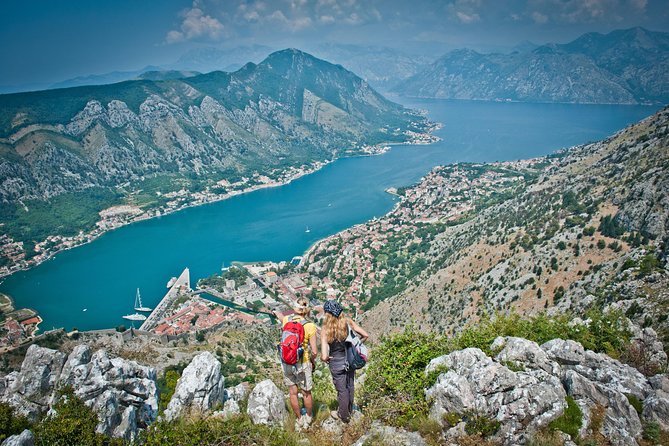
For a truly unforgettable experience, embark on the Ladder of Kotor hike. This ancient trail, originally a strategic route and a vital trade link connecting Kotor to the inland regions of Montenegro, zigzags its way up the mountain. The Ladder of Kotor provides astounding views. While the hike can be challenging, the reward is immeasurable: panoramic vistas of the bay, the Old Town, and the surrounding mountains. Along the way, imagine caravans laden with goods, traversing this very path, connecting Kotor to the wider world.
Hiking Ladder of Kotor difficulty level
The Ladder of Kotor hike is moderately challenging, taking about 2-3 hours to ascend. Wear sturdy shoes, bring plenty of water, and be prepared for steep inclines. The best time to hike is during the spring or autumn months when the weather is mild.
Our Lady of the Rocks: A Testament to Faith and History
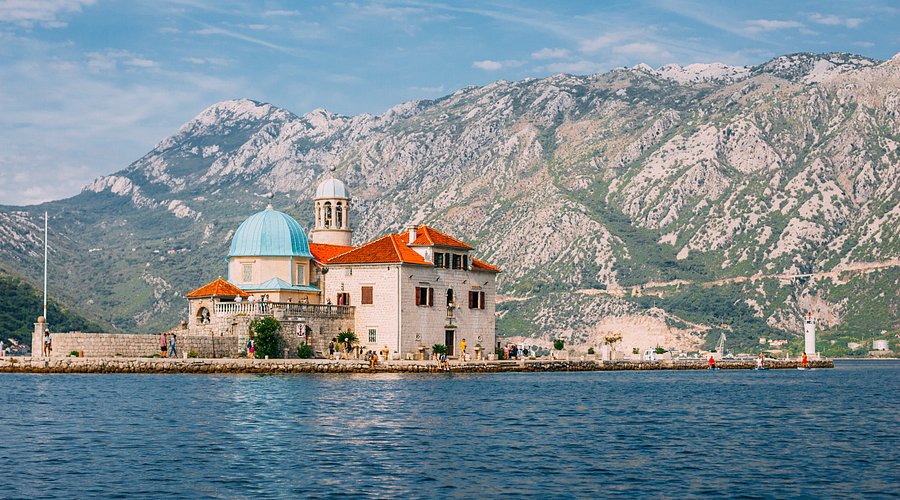
No visit to Kotor is complete without a boat trip to Our Lady of the Rocks island tour. This artificial island, created in the 15th century, is steeped in legend. According to local lore, sailors who found an icon of the Virgin Mary on a rock in the sea vowed to build a church on that very spot. Over centuries, they deposited rocks and sunken ships, gradually creating the island we see today. Visiting Our Lady of the Rocks island independently is an enriching experience.
The church itself is a treasure trove of art and history, adorned with stunning Baroque paintings, silver votive offerings from grateful sailors, and a tapestry embroidered by Jacinta Kunić-Miošić, which took her 25 years to complete using her own hair! Our Lady of the Rocks is a tangible symbol of faith, perseverance, and the deep connection between the people of Kotor and the sea.
Kayaking Kotor Bay: Tracing Naval History on the Water
Exploring the Bay of Kotor by kayak offers a unique perspective on its history and natural beauty. As you paddle along the tranquil waters, you can almost hear the echoes of naval battles fought centuries ago. The Kotor Bay kayaking history is a significant part of the region's past. The Venetians and Ottomans clashed repeatedly in these waters, vying for control of this strategic waterway. A Kotor Bay kayaking tour with naval history focus will bring these stories to life. The calm waters belie the turbulent past, making kayaking both a peaceful and thought-provoking experience.
Montenegrin Cuisine: A Taste of Kotor's Heritage
No trip is complete without savoring the local flavors, and Montenegrin cuisine Kotor offers a delightful culinary journey. Start your day with a Burek from a local bakery – a savory pastry filled with cheese, meat, or spinach. For lunch, indulge in Crni rižot (black risotto) at a seafood restaurant by the bay, a dish made with squid ink that is both visually striking and incredibly delicious.
And of course, don't miss the opportunity to savor fresh seafood grilled with local herbs, a true taste of the Adriatic. Where to eat local food in Kotor Montenegro? The restaurants lining the waterfront offer stunning views and delectable dishes.
Why is Kotor historically important?
Kotor's strategic location on the Adriatic Sea, its natural harbor, and its rich history under various empires (Roman, Byzantine, Venetian, Ottoman, Austro-Hungarian) have made it a crossroads of cultures and a key player in regional power struggles for centuries.
Kotor is more than just a pretty picture; it's a living tapestry woven from centuries of history, culture, and natural beauty. For those seeking a deep dive into the past, a Kotor Montenegro travel guide can only begin to scratch the surface of what this amazing city has to offer. It’s a destination that offers a tangible connection to the past, a place where history truly breathes in the bay. So, pack your bags, prepare to be amazed, and discover the magic of Kotor!
Ready to explore Kotor's captivating past? Book your Kotor walking tour now!