Kiribati: A Marine Biologist's Perspective on Pa...
Kiribati. The name conjures images of turquoise waters, swaying palms, and a vibrant culture steeped in tradition. As a marine biologist and climate activist, I recently returned from a journey to this unique nation, an atoll nation straddling the equator in the heart of the Pacific. My purpose wasn't solely to bask in its beauty, but to document the stark reality of Kiribati climate change and its effects on the people and environment. What I witnessed was both heartbreaking and inspiring – a community facing immense challenges with resilience and a deep connection to their heritage. This is my story, a personal reflection on experiencing Kiribati's culture, adventures, culinary delights, and the urgent need for climate action.
Immersing Myself in I-Kiribati Culture: A Celebration of Resilience
My trip coincided with the Kiribati Cultural Festival, a vibrant showcase of the nation's rich traditions. I was immediately captivated by the mesmerizing Te Bino dance performances, a truly spectacular art form. The dancers, adorned in elaborate costumes made from natural materials, moved with grace and power, telling stories of their ancestors and their connection to the ocean. The rhythmic chanting and the hypnotic beat of the drums resonated deep within me.
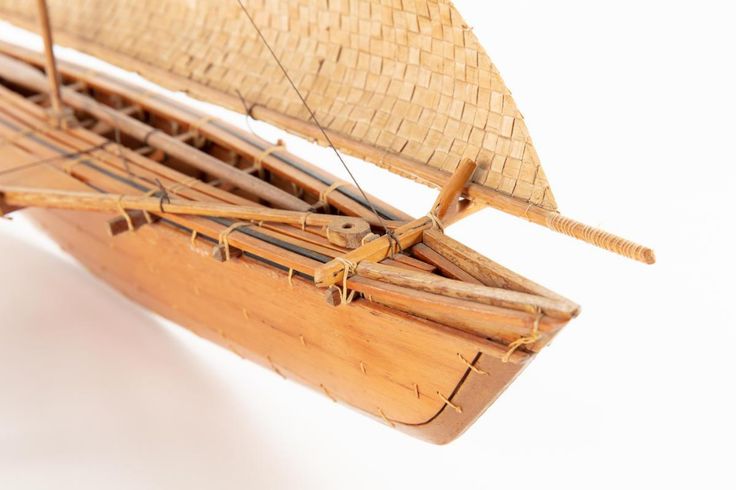
I also had the privilege of witnessing the intricate process of crafting traditional outrigger canoes. These canoes are not just vessels; they are a symbol of I-Kiribati ingenuity and their intimate relationship with the sea. I spent hours with local artisans, learning about the techniques passed down through generations. They painstakingly carve the hulls from local wood, lash them together with coconut fiber, and adorn them with intricate carvings. The artisans explained how climate change is impacting their ability to source materials, as certain trees are becoming increasingly rare due to saltwater intrusion. This threatens not only their livelihoods but also a vital part of their cultural heritage. This is a crucial issue since preserving cultural heritage amidst climate change is very important.
Adventure and Exploration: Beyond the Postcard
Beyond the cultural immersion, I sought to explore the diverse landscapes of Kiribati. Christmas Island (Kiritimati), the world's largest atoll, offered an incredible opportunity for Kiribati bone fishing Christmas Island. While I'm not a seasoned angler, I appreciated the thrill of the chase and the stunning beauty of the flats. The guides emphasized the importance of sustainable fishing practices to protect the delicate ecosystem.
On Tarawa, the capital atoll, I delved into the island's WWII history, exploring the remnants of bunkers and artillery emplacements. These rusting relics serve as a stark reminder of the island's strategic importance during the Pacific War and provide a historical perspective vastly different than that of the serene island life today. Where to see WWII relics in Tarawa Kiribati? Look no further than Betio Island.
But the highlight of my adventure was undoubtedly snorkeling and diving in the vibrant lagoon of Kanton Island, part of the Phoenix Islands Protected Area. Kanton Island diving is truly world-class. The coral reefs teemed with life – colorful fish, graceful sea turtles, and an array of invertebrates. It was a breathtaking reminder of the biodiversity that Kiribati has to offer, and why it's so crucial to protect these fragile ecosystems. This is undoubtedly one of the best Kiribati diving locations Kanton Island has to offer.
Culinary Delights: A Taste of Tradition Under Threat
Food is an integral part of any culture, and Kiribati is no exception. I had the opportunity to witness the preparation of bwirere, a traditional fermented pandanus paste. The process is labor-intensive, involving grating the pandanus fruit, cooking it over an open fire, and then fermenting it in pits lined with coconut leaves. The resulting paste has a unique, slightly sour flavor that is both acquired and surprisingly delicious. What is bwirere? It's more than just food; it's a connection to the land and a testament to the resourcefulness of the I-Kiribati people.
I also indulged in a fresh seafood feast cooked in a traditional earth oven. The fish, caught that morning, was wrapped in banana leaves and buried in the hot coals, along with breadfruit, taro, and other local vegetables. The flavors were incredible – smoky, savory, and bursting with freshness. The local sourcing methods are something to be admired; however, climate change is impacting food security. Saltwater intrusion is harming taro farming, and rising ocean temperatures are affecting fish populations, making it increasingly difficult for communities to maintain their traditional diets. I experienced a wonderful Kiribati food tour that showcased exactly how this cuisine is prepared.
A Landscape Under Siege: Witnessing the Impact of Climate Change
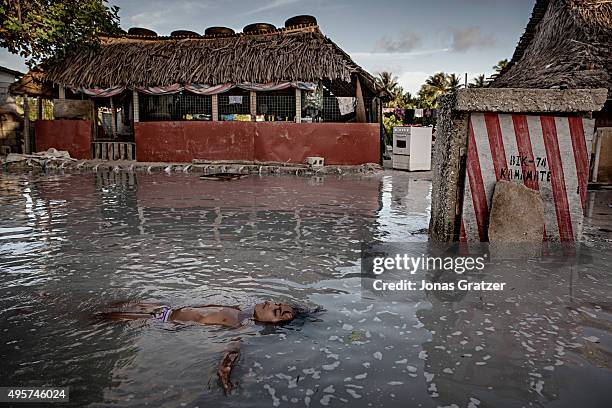
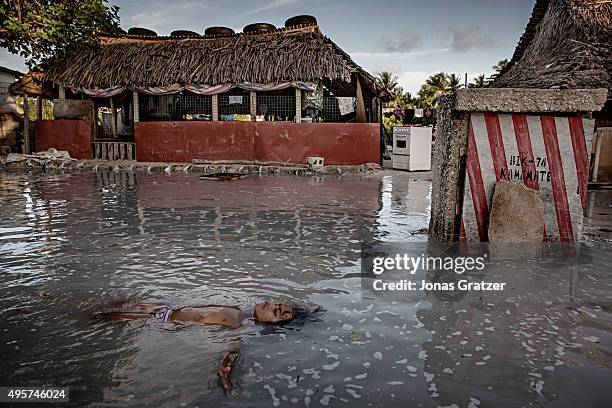
The beauty of Kiribati is undeniable, but it's a beauty tinged with sadness. These low-lying atolls, barely a few meters above sea level, are on the front lines of Kiribati climate change. I saw firsthand the devastating effects of rising sea levels. Coastal erosion is rampant, swallowing homes and infrastructure. In villages like Tebunginako, once a thriving community, the sea has claimed much of the land, forcing residents to relocate.
Saltwater intrusion is contaminating freshwater sources, making it difficult to grow crops like taro, a staple food. The impact of sea level rise Kiribati is impossible to ignore. The displacement of communities, like those on the island of Betio, is a heartbreaking reality. I spoke with an elderly woman named Maria, who told me, "Our ancestors lived here for generations. Now, the sea is taking our land, our homes, our way of life. Where will we go?"
Coral bleaching is also a major concern. Ocean acidification, another impact of CO2 emissions, is weakening coral skeletons, making them more vulnerable to storms and disease. What are the biggest environmental challenges facing Kiribati? The answer is simple: climate change. I could clearly see the effects of climate change on Kiribati culture and way of life.
Sustainable Tourism Initiatives: A Beacon of Hope
Despite the challenges, there is hope. I was encouraged to see various sustainable tourism initiatives emerging in Kiribati. On Abaiang Atoll, community-based ecotourism projects are providing alternative livelihoods for local residents while preserving the local culture and ecosystems. These initiatives often involve tourists staying in locally owned guesthouses, participating in traditional activities, and learning about the environment. Ecotourism initiatives Abaiang Atoll Kiribati aim to help the economy.
Efforts are also underway to reduce carbon emissions from tourism activities. Some accommodations are using solar power, and local operators are promoting low-impact transportation options like cycling and sailing. Visiting Kiribati responsibly is more important than ever. Ethical travel Kiribati is something we should all strive for.
Kiribati: The Vanishing Paradise (Climate Change is Real) - A Viral Video Concept
Imagine a video opening with the raw power of turquoise waves crashing over a crumbling seawall. The camera plunges underwater, revealing vibrant coral abruptly turning to a ghostly, bleached white. Upbeat tropical music fades to somber tones as the perspective shifts to a GoPro POV. You see me, Dr. Sharma, swimming through this underwater graveyard. Briefly, there are flashes of hope – healthy coral teeming with life – but the ominous blue returns as I descend, the music echoing the despair.
I emerge, remove my mask, and the shock hits. I'm knee-deep in the remains of a submerged house, children playing around me, oblivious to the tragedy. I look directly into the camera, a single tear tracing a path down my cheek.
This video, shot in cinematic 4K on a RED camera, utilizes surprise, clarity, and raw emotion to drive home a single message: climate change is destroying Kiribati. The opening in medias res, the immediate punch of bleached coral, and the explicit twist of the submerged house are designed to go viral, demanding attention and action.
A Call to Action: Help Save Kiribati
My journey to Kiribati was a profound experience. It reinforced my commitment to fighting climate change and supporting vulnerable communities. We can donate to Kiribati Climate Action Network? The answer is YES! I urge you to join me. Please consider donating to the Kiribati Climate Action Network here, an organization working to support climate resilience in Kiribati. Every dollar makes a difference. How can I help Kiribati climate crisis? By donating, spreading awareness, and advocating for change.
More importantly, we must all advocate for stronger climate policies in our own countries. We need to reduce our carbon emissions, invest in renewable energy, and hold our leaders accountable. The fate of Kiribati, and many other low-lying nations, depends on it. Let’s make a difference for Kiribati and the climate change solutions in Kiribati and around the globe.
Let’s not let paradise vanish. Let's visit Kiribati responsibly.