Kaiseki Cuisine in Kyoto: An Essential Culinary...
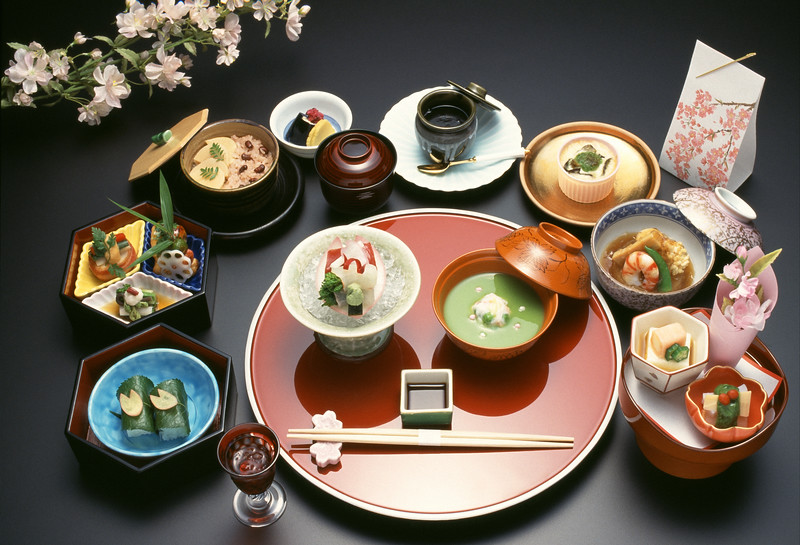
For the discerning traveler seeking an authentic and immersive cultural experience, look no further than Kaiseki cuisine in Kyoto, Japan. More than just a meal, Kaiseki is a multi-course Japanese haute cuisine embodying seasonality, meticulous presentation, and the artistry of the chef. Through its refined flavors and delicate aesthetics, Kaiseki offers a profound glimpse into Japanese society, deeply intertwined with tea ceremonies, Zen principles, and the appreciation of nature's fleeting beauty. This makes experiencing Kyoto Kaiseki Dining an unforgettable journey for those looking to understand the heart of Japanese culture.
The Art and Essence of Kaiseki
Kaiseki (懐石) originated as a light meal served before the formal tea ceremony (chado), designed to appease the guests' hunger without dulling their senses. Over time, it evolved into an elaborate culinary art form, reflecting the Zen philosophy of harmony and balance. Each course is carefully crafted to showcase the freshest seasonal ingredients, prepared with techniques that enhance their natural flavors. The presentation is equally important, with dishes arranged to evoke a sense of tranquility and appreciation for the changing seasons. The entire Kaiseki Experience Kyoto is a feast for all the senses.
The connection to the tea ceremony highlights Kaiseki's emphasis on simplicity and naturalness. Just as the tea ceremony seeks to create a serene and mindful atmosphere, Kaiseki aims to offer a culinary experience that is both elegant and understated. The selection of ingredients, the preparation methods, and the presentation all work together to create a harmonious balance, reflecting the principles of Zen Buddhism that have influenced Japanese culture for centuries.
Kikunoi: A Three-Michelin-Starred Kaiseki Sanctuary
To truly appreciate the artistry of Kaiseki, a visit to Kikunoi is essential. This Michelin three-star restaurant in Kyoto, helmed by Chef Yoshihiro Murata, is an exemplary location to experience authentic Kaiseki. With its serene ambiance, impeccable service, and exquisite cuisine, Kikunoi offers a dining experience that is both unforgettable and deeply meaningful. Securing a reservation at Kikunoi requires planning well in advance, often months ahead, due to its popularity and limited seating. This exclusivity adds to the allure, promising a truly special occasion.
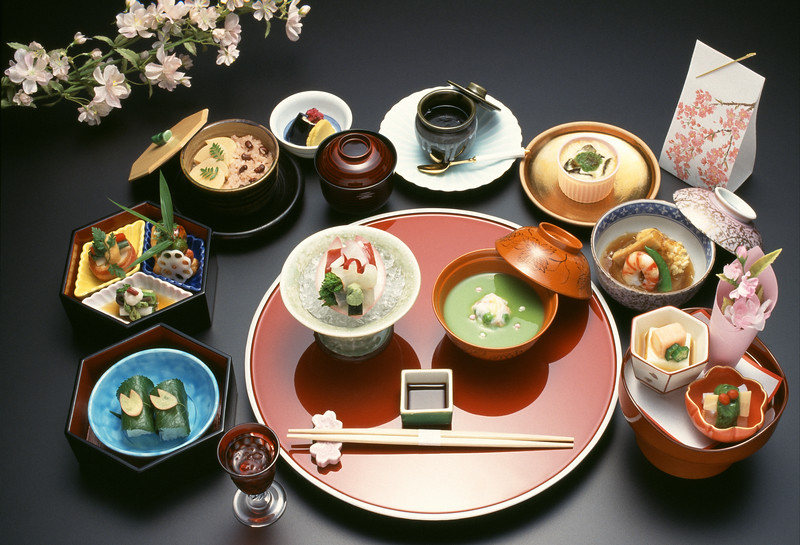
A typical Kaiseki meal at Kikunoi consists of several courses, each designed to showcase the chef's mastery of technique and his deep understanding of seasonal ingredients. Here are a few examples:
Hassun: A Symphony of Seasonal Appetizers
The hassun is a seasonal appetizer platter that sets the tone for the entire meal. It is a miniature work of art, featuring a selection of small, delicate dishes that represent the flavors of the season. Potential seasonal ingredients might include:
- Pickled mountain vegetables: These offer a tangy and refreshing counterpoint to the other flavors.
- Grilled ayu (sweetfish): A delicate and flavorful fish that is often grilled whole and served with a sprinkle of salt.
- Edible flowers: These add a touch of elegance and visual appeal.
The chef carefully arranges these ingredients to create a harmonious composition, showcasing the beauty and bounty of nature.
Mukozuke: Sliced Seasonal Sashimi
The mukozuke course features sliced seasonal sashimi, highlighting the freshness and quality of the seafood. The preparation and presentation are crucial. At Kikunoi, you might encounter:
- Tuna: Sliced with precision and presented with a subtle glaze, accentuating its rich flavor and melt-in-your-mouth texture.
- Sea bream: Delicately arranged to showcase its pristine white flesh and subtle sweetness.
The sashimi is typically served with freshly grated wasabi and soy sauce, allowing diners to appreciate the pure, unadulterated taste of the sea. This course exemplifies Kaiseki Ingredients Explained, emphasizing simplicity and quality.
Yakimono: Grilled Perfection
The yakimono course features grilled fish or meat, showcasing the chef's skill in grilling and seasoning. A signature dish at Kikunoi is:
- Miso-glazed black cod: The cod is marinated in a sweet and savory miso glaze, then grilled to perfection. The miso caramelizes on the surface, creating a rich and complex flavor that complements the delicate flesh of the cod.
The yakimono course demonstrates the chef's ability to transform simple ingredients into something truly extraordinary.
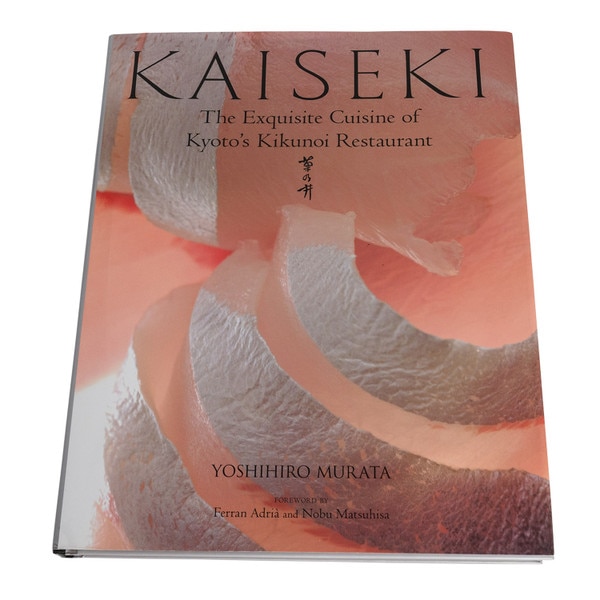
The food photography at Kikunoi is exquisite, capturing the vibrant colors, artistic plating, and the use of natural light to enhance the visual appeal of each dish. Every detail is carefully considered, from the choice of tableware to the arrangement of the ingredients, creating a feast for the eyes as well as the palate.
Immerse Yourself: A Wagashi Making Class
Beyond the fine dining experience, consider delving deeper into Japanese culinary traditions with a private wagashi (traditional Japanese sweets) making class, specifically focusing on seasonal nerikiri. Wagashi are a refined art form, meticulously crafted to reflect the beauty of nature and the changing seasons. Wagashi Cuisine Kyoto Culture is interwoven, providing a sweet complement to savory dishes.
Nerikiri are particularly beautiful wagashi, made from sweetened white bean paste and glutinous rice flour. They are shaped into delicate forms, often representing flowers, leaves, or other natural motifs. The process of making nerikiri is a sensory experience, involving the delicate shaping of the dough, the careful application of colors, and the final tasting of the sweet, nuanced flavors.
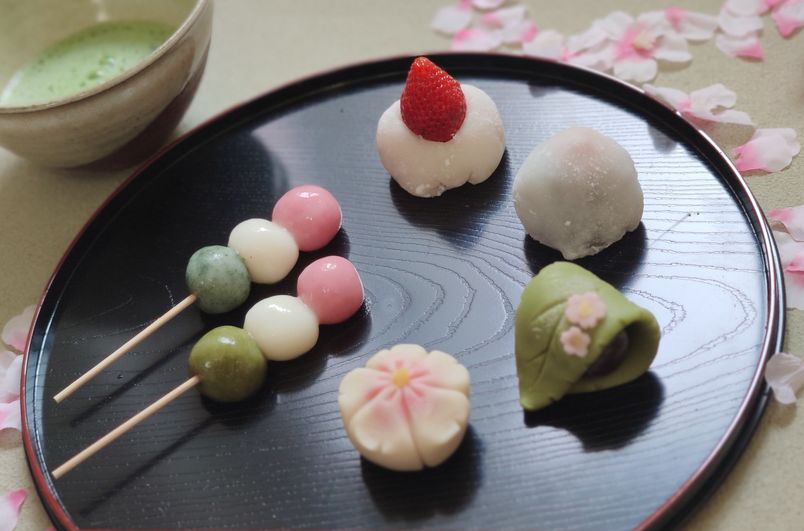
The cultural significance of wagashi extends beyond their culinary appeal. They are often served during tea ceremonies and other special occasions, symbolizing good fortune and celebrating the beauty of the natural world. Learning to make wagashi provides a unique opportunity to connect with Japanese culture on a deeper level, understanding the artistry and craftsmanship that goes into these delicate creations. If you are asking "Where to experience authentic kaiseki Kyoto?", remember to also include wagashi in your itinerary.
A Lasting Impression: Experiencing Japanese Culture Through Cuisine
Experiencing Kaiseki and learning to make wagashi offer profound insights into Japanese culture and culinary traditions, making it an unforgettable travel experience for vistalocation.com readers. From the meticulous presentation and seasonal ingredients of Kaiseki to the delicate artistry of wagashi, these culinary experiences provide a window into the heart of Japanese society. By engaging with these traditions, you will gain a deeper appreciation for the beauty, harmony, and mindfulness that are central to Japanese culture, making your visit to Kyoto a truly transformative experience. Consider booking a Private Wagashi Making Class Kyoto during your visit to enhance your cultural immersion.