Jumbo Rocks: From Lesson Plans to Lunar Landscap...
"Jumbo Rocks Campground is known for its massive, otherworldly rock formations, which offer a unique camping experience. However, this popularity often leads to crowded conditions, especially during peak season." – AllTrails
For Carol and Dave, two freshly retired teachers in their late 60s/early 70s, trading lesson plans for lunar landscapes seemed like the perfect next chapter. Joshua Tree National Park, with its stark beauty and dark night skies, beckoned. Armed with their vintage Airstream, Carol's binoculars, and Dave's Celestron telescope, they set off for Jumbo Rocks Campground, eager to embrace the desert's unique offerings. This Jumbo Rocks Campground review details their experiences, both wonderful and challenging, at this iconic location.
Jumbo Rocks Campsite 37: A Mixed Bag
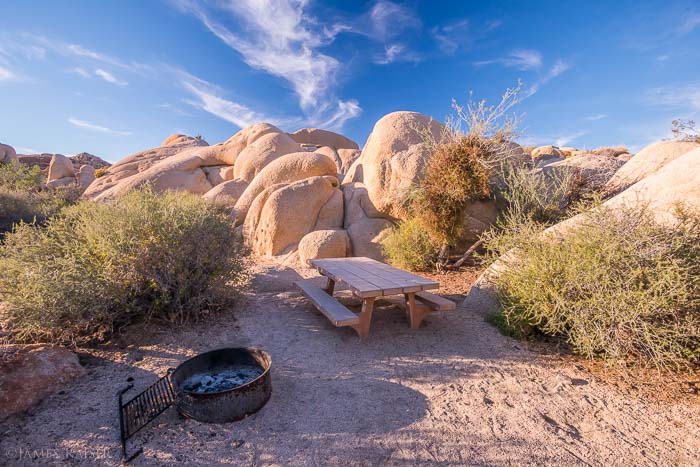
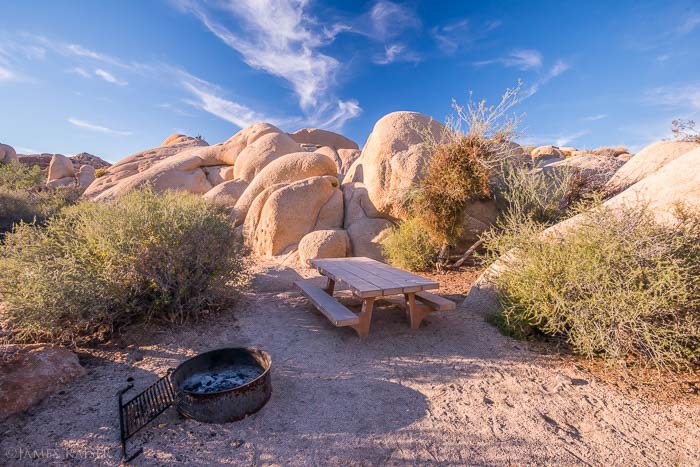
After navigating the winding roads, they arrived at campsite #37. Its proximity to the famed Skull Rock was undeniable – a definite plus. However, the campsite itself presented a few initial hurdles. The relentless desert sun offered absolutely no shade, a concern given their aversion to running the Airstream's AC unit. The surface was primarily gravel, and a slight slope made leveling the trailer a bit of a puzzle, even with their leveling blocks. Despite these minor inconveniences, they were determined to make the most of their Joshua Tree camping for seniors adventure.
Water Woes and Greywater Ingenuity
One of the first things they noticed were the strict water conservation policies. Joshua Tree is a desert, after all, and water is a precious resource. Dave, ever the meticulous one, took it upon himself to monitor their water usage with the precision he once applied to grading papers. Carol, not to be outdone, put her inventive mind to work. She devised a clever greywater recycling system, using a series of buckets and filters to reuse water from washing dishes for flushing the toilet (though the camp host politely but firmly told her this wasn't allowed, citing potential contamination concerns). This Jumbo Rocks water conservation effort, though slightly rebellious, highlighted their commitment to eco-friendly camping Joshua Tree.
The composting toilets at Jumbo Rocks were another point of discussion. Carol, ever enthusiastic about environmental matters, launched into a detailed explanation of their benefits to a teenager who looked like he'd rather be anywhere else. The lack of showers meant they relied on their trusty solar shower setup, carefully rationing the warmed water. This highlights the need for Joshua Tree camping without showers alternatives.
Birds by Day, Stars by Night: Carol and Dave's Hobbies
Carol, a lifelong birdwatcher, was thrilled to explore the avian life of Joshua Tree. She spotted a Cactus Wren flitting among the cholla cacti, a speedy Roadrunner darting across the campground road, and a majestic Loggerhead Shrike perched atop a juniper. Her frustration peaked, however, when she realized she had virtually no cell service to use her bird identification app. Identifying birds based solely on memory and field guides felt like a throwback to her teaching days – a welcome challenge, but a challenge nonetheless. She pondered, "What birds can you see at Joshua Tree National Park?"
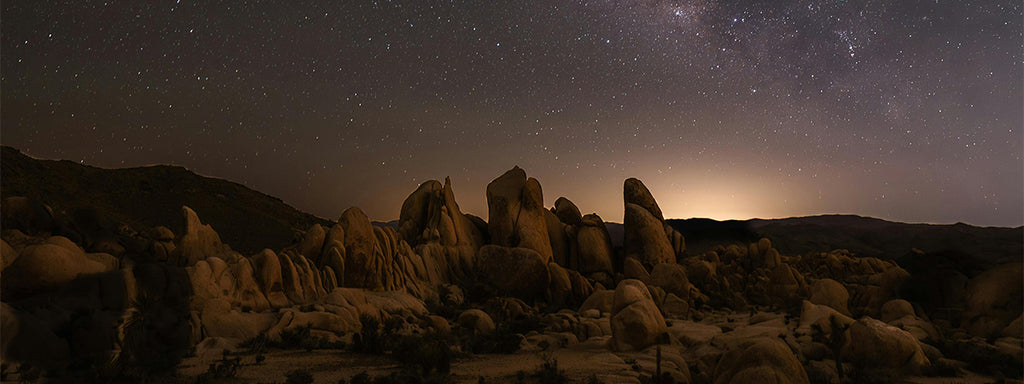
Dave, meanwhile, was eager to put his Celestron NexStar 8SE telescope to work. He'd meticulously prepared his Canon EOS 6D camera, ready to capture breathtaking images of the Milky Way. However, his hopes were soon dashed by the pervasive light pollution. Despite Jumbo Rocks' designation as an International Dark Sky Park, the glow from generators and RV lights cast an unwelcome haze across the night sky. Capturing the Milky Way became a battle against the artificial glow.
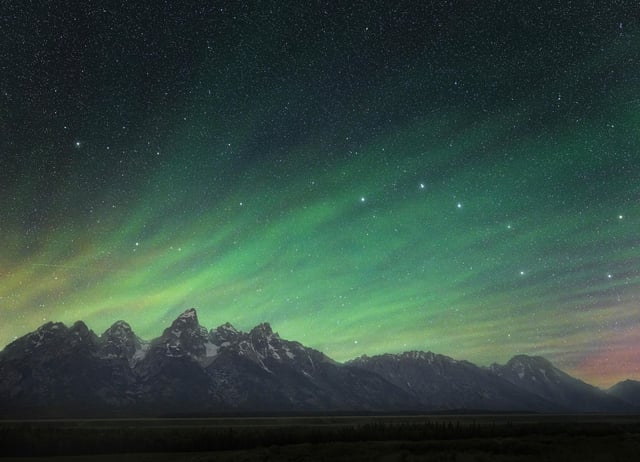
He contemplated, "How bad is the light pollution in Joshua Tree for astrophotography?" The challenges illustrated the importance of minimizing light pollution for successful Joshua Tree dark sky camping.
Skull Rock and Generator Woes
During the day, they attempted to hike the Skull Rock Nature Trail, eager to explore the unique rock formations. However, the midday heat proved too intense, and they had to turn back early, reminding them of the importance of Joshua Tree camping accessibility considerations, especially for seniors.
Their biggest challenge, however, came in the form of a neighboring camper who ran a loud generator late into the night. The incessant drone shattered the desert silence, disrupting both Dave's astrophotography attempts and Carol's sleep. "I came here to capture the cosmos, not listen to the drone of a gas-powered generator," Dave grumbled. "The irony is almost unbearable."
Fueled by a mixture of frustration and passive-aggression, Dave crafted a laminated pamphlet about the importance of dark sky preservation and the impact of light and noise pollution. He carefully placed it on the offending camper's picnic table, hoping to educate them about responsible camping practices. This highlights the need for Joshua Tree campground generator noise complaints solutions.
Responsible Desert Camping: A Lesson Learned
Their experience at Jumbo Rocks underscored the importance of responsible desert camping. Balancing the comforts of modern RV life with the preservation of this fragile environment is a constant challenge. "Back in the classroom, I always told my students to respect the environment," Carol reflected. "It's time we all practiced what we preach, especially out here in this fragile desert ecosystem."
To ensure future generations can enjoy the beauty of Joshua Tree, it's crucial to adhere to Leave No Trace principles.
Here are a few key tips for responsible Eco-Friendly Camping Joshua Tree:
- Consider solar power instead of generators: Explore solar panel options for powering your RV or campsite.
- Pack out all trash, including food scraps: Leave your campsite cleaner than you found it.
- Learn about the local flora and fauna before you arrive: Understanding the ecosystem helps you appreciate and protect it.
Furthermore, we must prioritize dark sky preservation by minimizing light pollution and promoting responsible generator usage. It's also vital to ensure Jumbo Rocks water conservation by following all park guidelines and conserving water wherever possible.
Ultimately, Carol and Dave's adventure at Jumbo Rocks was a reminder that enjoying the beauty of nature comes with a responsibility to protect it. By embracing sustainable practices and respecting the environment, we can ensure that places like Joshua Tree remain a treasure for generations to come.
Consider solar power instead of generators, pack out all trash, including food scraps, and learn about the local flora and fauna before you arrive. If you're planning a trip, be sure to check out Vistalocation.com for more information on best Joshua Tree campgrounds for stargazing and other incredible destinations.