Journey Through Indigenous Eyes: Discovering the...
Venture into the heart of the world's most breathtaking deserts, not just as a tourist, but as a respectful guest. Explore the soul of the desert through authentic indigenous desert experiences, guided by the very people who have called these landscapes home for millennia. This is more than a vacation; it's cultural immersion desert travel that promotes sustainable tourism indigenous communities, offering a profound understanding and appreciation of these unique environments. By choosing indigenous desert tours, you directly contribute to the preservation of ancient traditions and support the economic well-being of local communities.
Australian Outback: Walking with the Anangu
The vast, ochre-red expanse of the Australian Outback, particularly around Uluru (Ayers Rock) and Kata Tjuta (The Olgas), holds a deep spiritual significance for the Anangu Aboriginal people. These iconic rock formations aren't just geological wonders; they are living embodiments of Dreamtime stories, the creation narratives that explain the Anangu people's connection to the land, their ancestors, and the very fabric of existence.
Anangu-Led Walking Tours
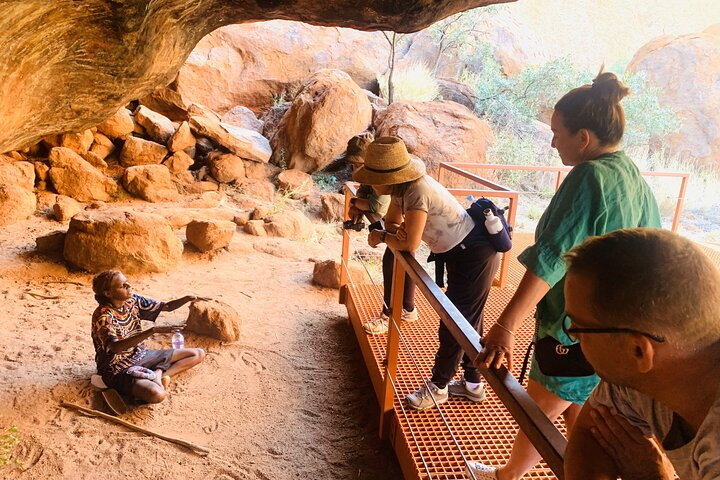
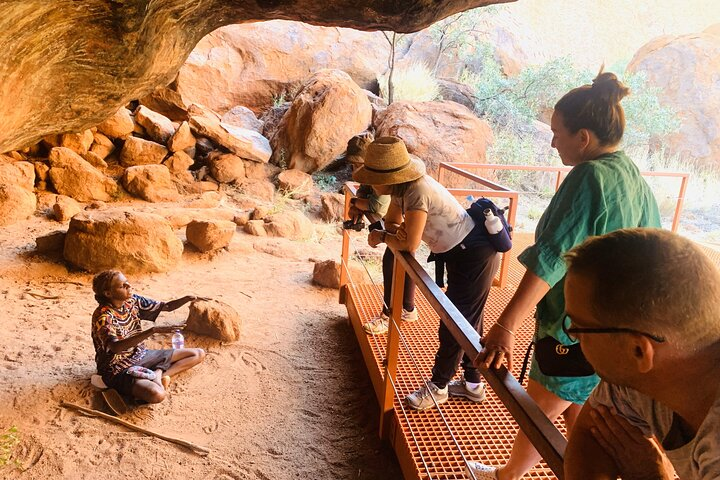
Imagine traversing the ancient landscape with an Anangu guide, hearing the Dreamtime stories whispered on the wind, understanding the cultural significance of every rock formation, plant, and animal you encounter. This is the power of an Anangu-led walking tour. Operators like 'AAT Kings Indigenous Tours' (a fictional example, but representative of the types of tours available) or similar Aboriginal-owned or closely partnered organizations offer immersive experiences that are both educational and deeply moving.
The setting sun casts a warm glow on Uluru, highlighting its majestic presence and the deep spiritual connection the Anangu people have with this sacred site.
Dreamtime Stories Unveiled
Learn how Uluru was formed, according to Anangu beliefs, by ancestral beings in the Tjukurpa (Dreamtime). Discover the meaning behind the rock art, the significance of the waterholes, and the uses of native plants. These tours offer a glimpse into a culture that has thrived in the desert for over 30,000 years. What makes traveling with indigenous guides special? They possess an intimate knowledge of the land, a connection passed down through generations, transforming the landscape into a living storybook.
Responsible Tourism Practices
It is crucial to seek out tours that directly contribute revenue back to the Anangu people. Look for operators with clear ethical policies and demonstrable partnerships with Aboriginal communities. Ensure that your visit respects Anangu customs, including the cultural sensitivity of not photographing sacred sites unless permitted by your guide. By prioritizing responsible tourism practices, you become a partner in preserving Anangu culture and supporting their self-determination.
How can I support indigenous communities through desert travel? Choose tours operated by, or in close partnership with, indigenous communities and respect their cultural guidelines.
Sahara Desert: Embracing Berber Hospitality
Journey to the Sahara Desert in Morocco, where the rolling dunes of Erg Chebbi near Merzouga offer an unparalleled opportunity to experience the Berber way of life. The Berber people, the indigenous inhabitants of North Africa, have adapted to the harsh desert environment for centuries, developing a rich culture rooted in resilience, hospitality, and a deep connection to the land.
Overnight Stays in Traditional Nomad Camps
An unforgettable experience awaits you in a traditional Berber nomad camp. Spend the night under a canopy of stars, listening to the rhythmic beat of Berber music around a campfire. Learn about Berber history, traditions, and the art of desert survival from the families who call the Sahara home. This is your chance for authentic Berber cultural immersion experience near Merzouga Morocco.
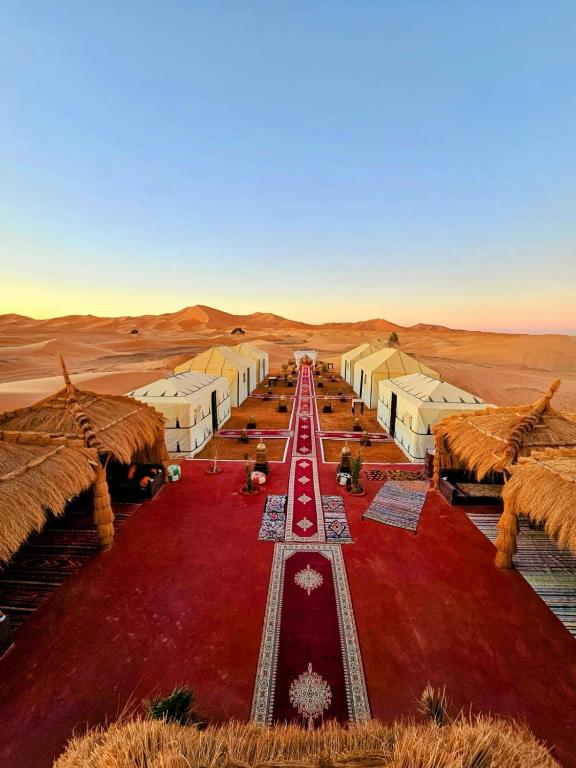
A traditional Berber nomad camp nestled amongst the Sahara Desert dunes, offering a glimpse into the nomadic lifestyle and cultural heritage of the Berber people.
Supporting the Berber Community
When selecting a camp, prioritize those that employ local Berber families and contribute to their economic well-being. Seek out operators like "Desert Berber Adventures" (fictional, for illustrative purposes), which explicitly state their commitment to supporting the Berber community. Before you travel, research what kind of accomodations are offered in Bedouin and Berber camps to fully prepare yourself. By choosing ethical operators, you ensure that your visit directly benefits the people who are sharing their culture with you.
Cultural Etiquette
Remember the importance of cultural etiquette. Accepting tea offered by your Berber hosts is a sign of respect and an integral part of their hospitality. Engage in conversation, ask questions, and show genuine interest in their way of life. Your respect and open-mindedness will be deeply appreciated and will enhance your experience immeasurably.
Responsible tourism in the Sahara Desert with Berber nomads requires respecting their traditions and supporting their local economy.
Arabian Desert: Discovering Bedouin Heritage in Oman
The Wahiba Sands in Oman, a mesmerizing sea of golden dunes, is home to the Bedouin people, nomadic desert dwellers known for their resilience, resourcefulness, and deep connection to the Arabian Desert. A Bedouin cultural tours Wahiba Sands Oman offers a unique opportunity to learn about their ancient traditions and experience the beauty of their way of life.
Falconry and Desert Survival Skills
Witness the ancient art of falconry, a traditional hunting method passed down through generations. Participate in desert survival skill workshops led by Bedouin experts, learning how to navigate using the stars, find water, and build shelters in the harsh desert environment. These experiences offer a glimpse into the ingenuity and knowledge that have allowed the Bedouin to thrive in the desert for centuries.
Traditional Bedouin Crafts
Delve into the world of traditional Bedouin crafts, such as weaving and the creation of intricate textiles. Learn about the symbolism behind the patterns and the techniques used to create these beautiful works of art. Understanding the artistry and craftsmanship provides a deeper appreciation for Bedouin culture.
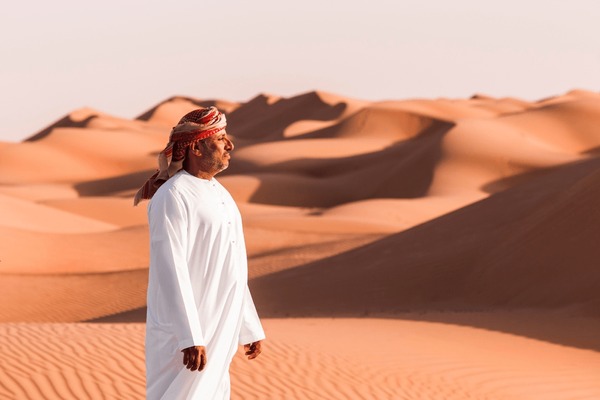
Inside a traditional Bedouin tent, showcasing the intricate weaving and craftsmanship that are integral to their cultural heritage and desert lifestyle.
Respecting Bedouin Customs
Choose accommodations like "Wahiba Bedouin Experience Camp" (fictional), which is managed and staffed by local Bedouins, ensuring that your stay directly supports their community. Respect Bedouin customs by dressing modestly and avoiding public displays of affection. Engage respectfully with your hosts, ask questions, and show genuine interest in their culture.
Where can I find authentic Bedouin cultural experiences in Oman? Look for camps and tours managed and operated by local Bedouin communities.
The Benefits of Traveling Through Indigenous Eyes
Choosing indigenous-led desert experiences offers a multitude of benefits:
- Directly Benefits Local Communities: Your money goes directly to supporting indigenous families and their businesses.
- Supports Cultural Preservation: By participating in cultural experiences, you help to ensure that these traditions continue to thrive.
- Provides a Deeper Understanding: You gain a profound understanding and appreciation of the desert landscape and its cultural significance.
- Promotes Responsible Tourism: You contribute to sustainable tourism practices that protect the environment and respect local cultures.
How do indigenous guides enrich desert experiences? They share their intimate knowledge of the land, culture, and history, transforming the landscape into a living story. The economic benefits of Indigenous owned tourism create jobs, support families and preserve culture.
What are the ethical considerations for desert tourism with indigenous communities?
- Respecting local customs and traditions.
- Ensuring that tourism benefits the local community.
- Minimizing environmental impact.
- Obtaining informed consent for photography and videography.
- Avoiding cultural appropriation.
Is cultural tourism with Indigenous communities sustainable?
Cultural tourism can be sustainable if it is managed responsibly. This involves:
- Prioritizing the needs and interests of the local community.
- Protecting the environment and cultural heritage.
- Educating visitors about responsible travel practices.
- Ensuring that tourism provides long-term economic benefits to the community.
Make a Responsible Choice
When planning your desert adventure, make a conscious decision to support indigenous cultures. Choose tours and accommodations that are owned and operated by local communities or that partner closely with them. Respect their customs, traditions, and beliefs. By doing so, you can embark on a transformative journey that not only enriches your own life but also contributes to the well-being of the people who call these incredible landscapes home. Support local indigenous communities through travel and leave a positive impact on the world. [Book indigenous desert tour]