
Island Sanctuaries: Discover UNESCO-Protected Be...
Imagine pristine beaches, untouched ecosystems, and travel experiences that contribute to conservation rather than detract from it. At VistaLocation, we believe in exploring the world responsibly. That's why we're highlighting UNESCO Biosphere Reserve beaches – havens of biodiversity recognized for their ecological significance. These protected areas require careful planning and a commitment to sustainability, offering a unique and rewarding travel experience for the conscious explorer. Visiting these sanctuaries requires more than just booking a flight; it demands respect, awareness, and a dedication to preserving these invaluable natural treasures. UNESCO Biosphere Reserve Beaches represent a unique opportunity for truly Sustainable Island Tourism.
Beach #1: Aldabra Atoll, Seychelles - A Remote Paradise
Aldabra Atoll, a jewel in the Seychelles archipelago, stands as one of the world's largest raised coral atolls. Its remote location and challenging accessibility have contributed to its remarkably preserved state. Access to this protected island beach is strictly controlled, primarily granted to researchers via research vessels or infrequent supply ships. This means meticulous planning is paramount, including obtaining necessary permits from the Seychelles Islands Foundation (SIF) or the Ministry of Environment, Energy and Climate Change.
Visiting Aldabra involves paying conservation fees, a direct contribution to ongoing research and protection efforts. By embracing these costs, travelers become active participants in preserving this unique ecosystem. Consider donating further to organizations like SIF. Forget luxury resorts; the true allure of Aldabra lies in its raw, untamed beauty and the opportunity to witness nature in its purest form. This isn't your typical beach vacation; it's an expedition into the heart of conservation.
Getting There (and Back Again)
Remember, access is extremely limited. Contact the Seychelles Islands Foundation (https://sif.sc/) well in advance of your planned travel to inquire about research opportunities or potential openings on supply vessels.
Supporting Conservation Efforts
Consider a direct donation to the Seychelles Islands Foundation (https://sif.sc/donate). Your contribution helps fund crucial research and conservation programs on Aldabra. This is truly Conservation Travel Seychelles at its finest.
Beach #2: Ile aux Cocos, Rodrigues Island (Mauritius) - A Birdwatcher's Paradise
Ile aux Cocos, located off the coast of Rodrigues Island (Mauritius), is a designated nature reserve, offering a haven for seabirds and a pristine beach experience for the responsible visitor. Due to its protected status, access is strictly regulated. Forget readily available tours; a permit is required to visit, and access is only granted via licensed local fishermen's boats. This system ensures minimal disturbance to the island's delicate ecosystem.
The island is renowned for its unique birdlife, including noddies and terns, who nest on its shores. Respecting their habitat is paramount. Instead of looking for restaurants, pack your own essentials, including reef-safe sunscreen and reusable water bottles. Minimize waste and leave no trace behind. The reward is witnessing a vibrant ecosystem thriving in a protected environment.

Obtaining a Permit
Contact the Rodrigues Regional Assembly's Fisheries and Marine Resources Division to inquire about permits and licensed boat operators. Plan your trip well in advance as permits are limited. This is the key to accessing this Rodrigues Island nature reserve.
Essential Packing List for Conservation
Remember to pack light, avoid single-use plastics, and bring reef-safe sunscreen. Support local businesses by purchasing reusable water bottles and other eco-friendly travel gear before your trip.
Visitor Guidelines
Stay on designated paths to avoid disturbing nesting birds. Do not approach or feed the birds. Pack out all trash. Respect the guidelines provided by your boat operator.
Beach #3: Kornati Islands, Croatia - A Maritime Gem
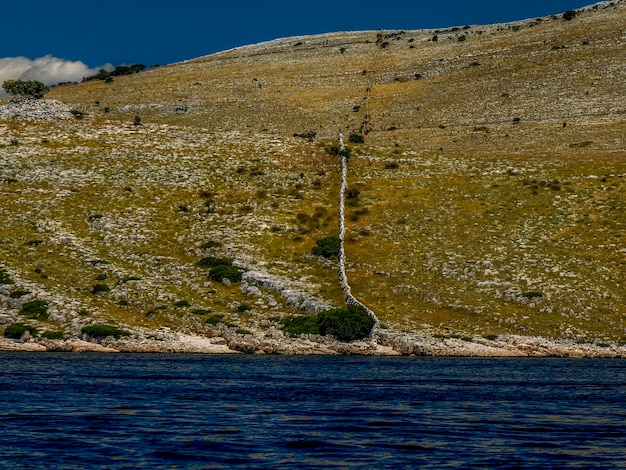
The Kornati Islands National Park in Croatia is an archipelago of striking beauty and unique geological formations. Unlike the previous secluded destinations, the Kornati Islands are accessible via organized boat trips, specifically departing from Murter Island. These trips offer a glimpse into a landscape shaped by both nature and human history.
While readily accessible boat trips are available, the key to sustainable tourism here lies in appreciating the subtle details. The islands are characterized by karst landscapes and the remains of traditional dry-stone walling, a testament to the islands' agricultural past. Many of the islands are privately owned, so it's crucial to respect private property and avoid trespassing. Learn more about the Park at the Kornati National Park website (https://np-kornati.hr/en/).
Exploring the Islands by Boat
Choose reputable boat tour operators committed to sustainable practices. Inquire about their environmental policies and ensure they adhere to park regulations. This is how you practice Sustainable Tourism Kornati Islands Croatia.
Appreciating the Unique Landscape
Take time to observe the dry-stone walls and learn about their historical significance. Explore the karst formations and understand the geological processes that shaped the islands.
Respecting Private Property
Be mindful that many islands are privately owned. Avoid landing on islands without clear permission.
Travel Responsibly
Traveling to these island sanctuaries demands a commitment to sustainability. Consider these actions to minimize your impact:
- Carbon Offsetting: Offset the carbon footprint of your flights by donating to verified carbon offsetting programs such as Carbonfund.org (https://carbonfund.org/).
- Direct Support for Local Conservation: Donate directly to conservation organizations working on each island. As mentioned before, you can support the Seychelles Islands Foundation (https://sif.sc/donate) for Aldabra.
- Choose Eco-Friendly Accommodation: Prioritize accommodations that have eco-certification.
- Reduce, Reuse, Recycle: Minimize waste by bringing reusable water bottles, shopping bags, and other essentials.
- Support Local Communities: Purchase goods and services from local businesses.
- Be Respectful of Wildlife: Maintain a safe distance from animals and avoid disturbing their natural habitat.
What are UNESCO Biosphere Reserves?
UNESCO Biosphere Reserves are learning places for sustainable development. They are sites recognized for their biodiversity and cultural significance, promoting innovative solutions to reconcile the conservation of ecosystems with human needs. These reserves are nominated by national governments and remain under their sovereign jurisdiction. Visiting a UNESCO Biosphere Reserve Beach is a unique and educational experience.
How can I travel sustainably to island beaches?
- Research the destination's environmental policies and regulations.
- Choose eco-friendly transportation options.
- Support local businesses that prioritize sustainability.
- Pack light and avoid single-use plastics.
- Respect local cultures and traditions.
Call to Action
Embarking on a journey to these island sanctuaries requires more than just a desire to travel; it demands a commitment to responsible tourism. Thoroughly research and meticulously plan your trip, prioritizing awareness and respect for the environment. These aren't just vacations; they're opportunities to contribute to the preservation of some of the world's most precious ecosystems. Subscribe to VistaLocation for information on additional unique and environmentally conscious destinations and start planning your ethical beach travel adventure today!