Island Hopping for Ocean Lovers: A Regenerative...
Embark on an unforgettable journey through the Caribbean and South America with this regenerative island hopping itinerary. This curated trip, hosted on vistalocation.com, will take you to stunning destinations where you can experience the magic of the ocean while directly contributing to its health and the well-being of local communities. Discover sustainable travel at its finest, supporting both the environment and the economies of the places you visit. Ready to experience an ethical ocean adventure vacation that truly gives back?
Day 1-3: Dominica – Community-Based Whale Watching Tours
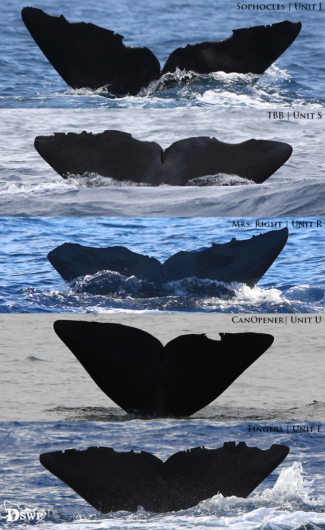
Immerse yourself in the world of majestic sperm whales with a community-led Dominica whale watching sustainable tour. These tours, operated by local fishermen turned conservationists, provide respectful and educational encounters with these gentle giants. Learn about these incredible creatures from the people who know them best, and directly support their efforts to protect these giants. How can community-based ecotourism help preserve local cultures? By directly supporting the transition away from harmful fishing practices, you help maintain the traditions and knowledge of these unique communities.
Accommodation: Support local guesthouses that prioritize sustainable practices. Seek out smaller, locally-owned accommodations that source food locally and minimize their environmental footprint. What certifications should I look for when booking sustainable travel? Look for certifications such as Green Globe, Travelife, and B Corp, which indicate a commitment to sustainability standards.
Regenerative Action: Learn about the Dominica Marine Conservation Association and contribute to their research efforts. Your participation directly funds the important work they do to monitor whale populations and protect their habitat. Consider donating directly to their research programs. How to donate to the Ocean Conservancy? You can donate to the Ocean Conservancy through their website: Ocean Conservancy.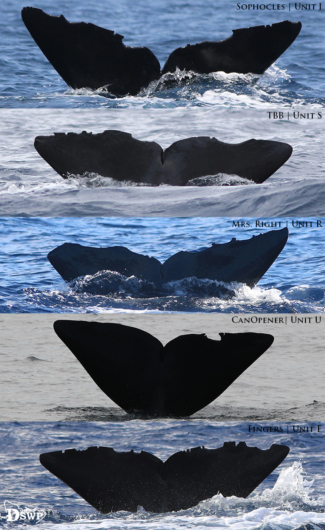
Bonus experience: Visit the Sulphur Springs, also known as the "Boiling Lake", a unique volcanic wonder of the world and a UNESCO World Heritage Site. This geothermal marvel offers a glimpse into Dominica’s volcanic origins and is a great way to experience the island’s natural beauty. What is the best time to visit Dominica for whale watching tours? The best time to visit Dominica for whale watching is generally from November to March, when sperm whales are more frequently sighted.
Day 4-6: Isla Mujeres, Mexico – Cage-Free Snorkeling with Whale Sharks
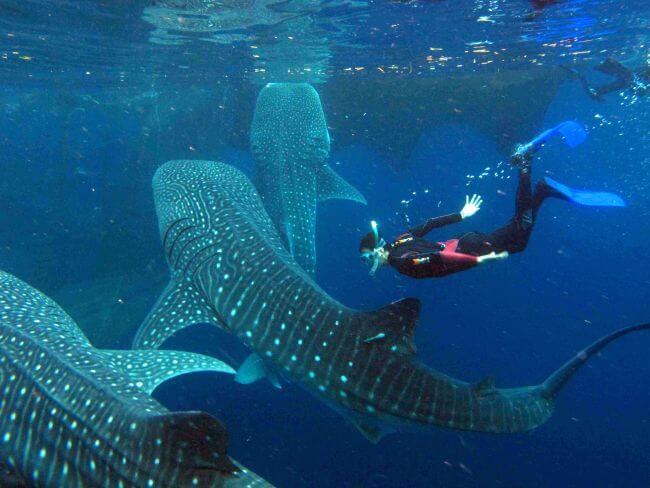
Experience the thrill of swimming alongside whale sharks in the turquoise waters off Isla Mujeres with Isla Mujeres whale shark snorkeling ethics at the forefront of your mind. Choose tour operators committed to responsible tourism practices, ensuring the safety of both the animals and the snorkelers. Focus on supporting companies actively involved in whale shark conservation and research. How to choose a responsible whale shark tour operator in Isla Mujeres? Look for operators with certifications like the "Sustainable Tourism" badge, those who limit the number of snorkelers per boat, and those that donate a portion of their proceeds to conservation organizations.
Accommodation: Stay in eco-friendly boutique hotels that minimize their environmental footprint. Many smaller hotels on Isla Mujeres are committed to reducing waste, conserving water, and using renewable energy sources. Look for hotels that are actively involved in community initiatives.
Regenerative Action: Donate to organizations dedicated to the protection of whale sharks and their habitat. Organizations like Whale Shark Mexico work tirelessly to protect these gentle giants. Why is regenerative travel better than sustainable tourism? Regenerative travel goes beyond minimizing negative impacts and actively seeks to improve the environment and the well-being of local communities.
Bonus experience: Explore the underwater sculpture museum (MUSA), a unique art installation promoting coral growth. This innovative project combines art and conservation, providing a habitat for marine life and raising awareness about the importance of coral reef protection.
Day 7-9: Bimini, Bahamas – Freediving with Wild Dolphins
Venture to Bimini, Bahamas, for an extraordinary freediving experience with wild Atlantic spotted dolphins, focusing on Bimini dolphin freediving responsible tourism. Participate in tours that prioritize ethical interaction and dolphin conservation efforts. Companies like the Dolphin Communication Project are deeply involved in the work. What is the most ethical way to swim with dolphins in Bimini? Choose tour operators that prioritize non-intrusive observation, limit the duration of interactions, and educate participants about dolphin behavior.
Accommodation: Choose lodges committed to sustainable tourism and supporting local communities. Seek out smaller, locally-owned establishments that prioritize environmental conservation and support community initiatives. Bahamas resorts committed to sustainable tourism practices are also a great option.
Regenerative Action: Participate in dolphin behavior observation and documentation as part of citizen science initiatives with the Dolphin Communication Project. Your contributions help scientists understand dolphin behavior and protect their habitat. How can I minimize my environmental impact while island hopping? You can minimize your environmental impact by choosing eco-friendly accommodations, supporting local businesses, reducing waste, and offsetting your carbon footprint.
Bonus experience: explore the legendary "Bimini Road," an underwater rock formation with connections to Atlantis lore. Regardless of its origin, it's an intriguing dive site offering a unique glimpse into the underwater world.
Day 10-12: Coastal Communities of Ecuador – Supporting Local Artisans
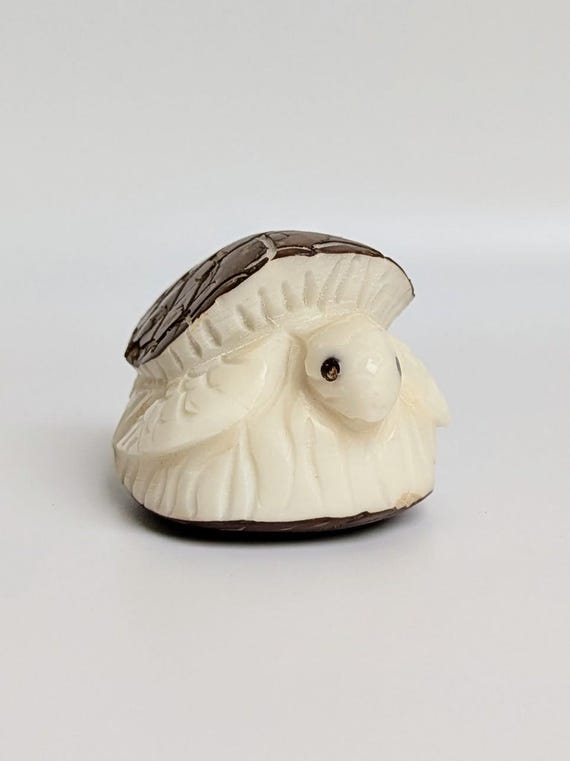
Fly to Ecuador and discover the artistry of tagua nut carvings in coastal communities. Purchase these unique handcrafted souvenirs directly from local artisans, supporting their livelihoods and preserving traditional crafts, making this a truly Ecuador coastal artisans fair trade travel experience. Where to buy tagua nut carvings in Ecuador ethically? Visit local markets and artisan cooperatives in coastal towns to ensure your purchases directly benefit the artisans.
Accommodation: Stay in community-run ecolodges that offer authentic cultural experiences. These lodges provide income to local families and help preserve traditional ways of life. How to donate to the Ocean Conservancy? You can donate to the Ocean Conservancy through their website: Ocean Conservancy.
Regenerative Action: Learn about sustainable harvesting practices of tagua nuts and its positive impact on rainforest conservation. Sustainable harvesting helps protect the rainforest by providing an economic incentive for conservation. What does tagua nut carving contribute to rainforest conservation? Sustainable harvesting of tagua nuts provides a non-timber forest product that generates income for local communities, reducing the need for deforestation for agriculture or logging.
Bonus experience: Visit a local cocoa plantation and learn about the process of chocolate making. This provides insight into the local agricultural practices and supports the livelihoods of cocoa farmers.
Make Your Journey a Regenerative One
This regenerative island hopping itinerary is more than just a vacation; it's an opportunity to connect with the ocean, support local communities, and contribute to conservation efforts. Your choices as a traveler can make a real difference. By supporting local communities, choosing responsible tour operators, and donating to conservation organizations, you can help protect the ocean and its inhabitants for future generations. Make a lasting impact by supporting the Ocean Conservancy's Global Ghost Gear Initiative oceanconservancy.org, which works to remove and prevent abandoned fishing gear from polluting our oceans and endangering marine life. Make your next journey a regenerative one!