In Search of the Kirtland's Warbler: Finding Bea...
The crackling of jack pine needles underfoot is a sound I know well, a familiar symphony of the Huron-Manistee National Forests. This trip, however, that sound is different. Each step is more deliberate, more considered. Just weeks ago, I was scrambling through these same woods, chasing a glimpse of the elusive Kirtland's Warbler, when a misstep left me with a knee injury and a stark reminder of my physical limits. Now, hobbled but undeterred, I'm back. This isn't just about bird photography anymore; it's about finding new perspectives, appreciating the small victories, and rediscovering my passion in the face of adversity. It's about the Kirtland's Warbler, yes, but also about my own personal comeback.
A Song of Survival: Unveiling the Kirtland's Warbler
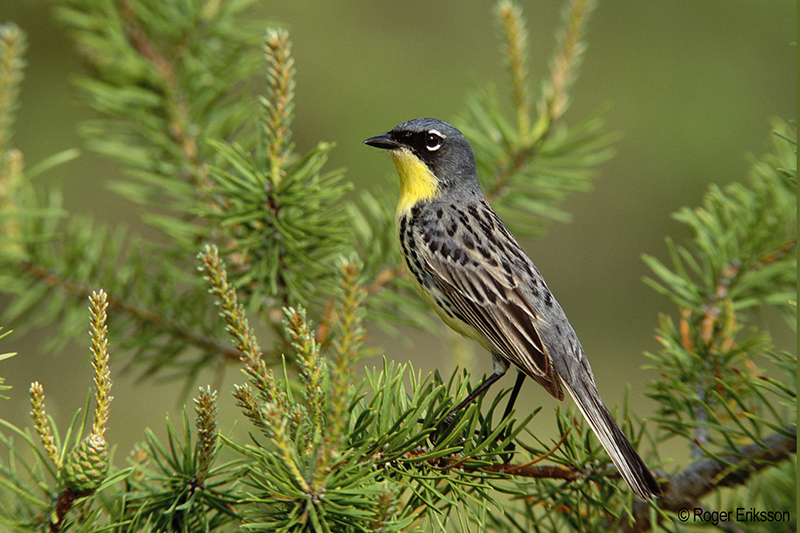
The Kirtland's Warbler, Setophaga kirtlandii, is a bird of striking beauty and remarkable resilience. A relatively small songbird with a blue-grey back, a vibrant yellow chest, and distinctive black streaks along its sides, it’s a true gem of the Great Lakes region. Its song, a cheerful "chip-chip-chip, too-weet, too-weet, chip-chip-chip-che-wee-o," echoes through the jack pine forests, a beacon for both birders and photographers alike.
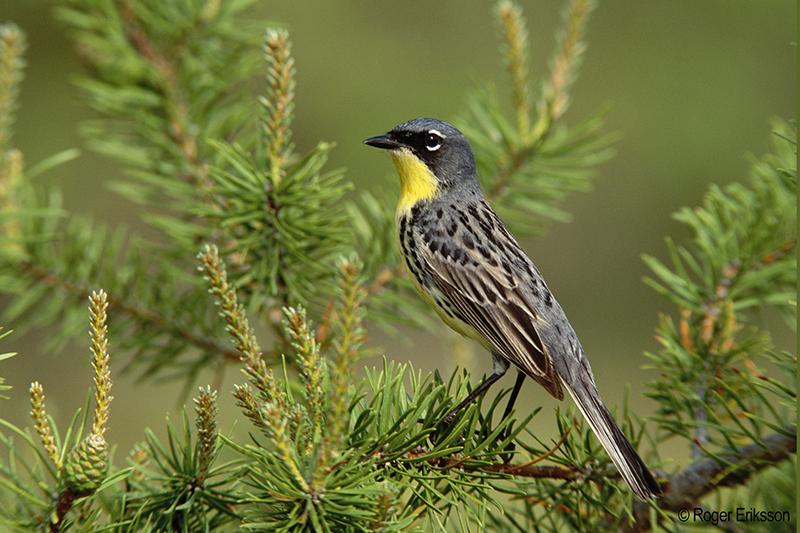
This species is incredibly particular about its habitat, requiring young jack pine forests between five and twenty years old for nesting. These early successional forests provide the perfect cover for their ground nests, protecting them from predators. It’s a precarious existence, and for years, the Kirtland's Warbler teetered on the brink of extinction. You may ask, "Why is the Kirtland's Warbler endangered?" The main reason for its decline was the lack of suitable habitat.
Conservation Champions: The People Protecting the Pines
The recovery of the Kirtland's Warbler is a testament to the dedication of conservationists. I had the privilege of spending time with Sarah McMillan from the Northern Michigan Bird Conservancy, learning about the meticulous work they do to manage the jack pine forests. Organizations like the Kirtland's Warbler Alliance and the Michigan Department of Natural Resources (DNR) are instrumental in this effort, conducting controlled burns and planting jack pine to create and maintain the bird's unique habitat. They explained to me where I could see Kirtland's Warblers in Michigan, focusing on areas where they are actively working to improve habitat.
Their work is driven by a profound understanding of the bird's life cycle and needs, making it possible for the Kirtland's Warbler to thrive. If you're wondering how you can support Kirtland's Warbler conservation, I can tell you that both organizations are grateful for donations and volunteers. Every bit helps!
Sensory Immersion: The Jack Pine Cathedral
The Huron-Manistee National Forests are more than just trees; they're a sensory experience. The seemingly monotonous landscape of the young jack pine forest transforms into a vibrant tapestry when you truly immerse yourself. The air is thick with the scent of pine resin, a sweet, earthy aroma that clings to your clothes and fills your lungs. The sun filters through the dense canopy, creating dappled patterns on the forest floor. The buzzing of insects, a constant drone, provides a background hum to the forest's symphony.
Even with my limited mobility, I felt a connection to this place. I focused on the details: the intricate patterns on the bark of the jack pines, the way the sunlight illuminated the needles, and the subtle changes in the wind. It was a stark reminder that nature reveals its beauty in the quietest moments. The forest has so many accessible birdwatching trails to offer, if you know where to look.
A Culinary Detour: Tasting Northern Michigan
No trip to northern Michigan is complete without sampling the local fare. Near Oscoda, I stopped at a roadside smokehouse and indulged in some creamy whitefish dip, a smoky, savory delight. A trip to Grayling meant a stop at a local bakery for a hearty pasty, a traditional Cornish meat pie that sustained generations of miners and loggers. And, of course, I couldn't resist a slice of homemade cherry pie at a roadside diner, the perfect sweet ending to a long day of birdwatching. The trip to Huron Manistee wasn't just a birding destination; it was a culinary experience.
The Sound of Wings: Adapting and Discovering
My knee injury forced me to slow down, to reconsider my approach to photography and birdwatching. Gone were the days of effortlessly traversing the forests with my Canon EOS R5 and RF 600mm f/4L IS USM lens. I was now limited to my Sony a6400 with a Tamron 18-300mm lens and a monopod. It felt like a significant downgrade, but it also presented an opportunity. As mentioned before, "Bird photography for beginners with Sony a6400" is something I had to research.
I began to focus on "sound-scaping," learning to identify birds by their calls and songs. This became my new way to see, to experience the forest. I discovered a whole new dimension to birdwatching, one that didn't rely solely on sight. I realized I could still "photograph" birds in my mind, using their sounds to create vivid mental images.
One night, I had a vivid dream. I was soaring with the Kirtland's Warblers on their migratory route to the Bahamas. The wind rushed beneath my nonexistent wings, and the islands spread out beneath me like emerald jewels on a turquoise sea. It was an incredible sensation, a moment of pure freedom and connection to the natural world.
The Shot: Limitations and Possibilities
The moment arrived on a crisp morning, the air filled with the familiar "chip-chip-chip" of the Kirtland's Warbler. Using my newfound sound-scaping skills, I anticipated the bird's movements, carefully positioning myself near a young jack pine. I secured my monopod, adjusted my Sony a6400 settings, and waited. Then, there it was: a male Kirtland's Warbler, perched atop the pine, the golden sunlight highlighting its blue-grey back and yellow chest.
With deliberate precision, I focused, composed, and clicked. The resulting photo wasn't perfect, but it was mine. It was a testament to perseverance, adaptation, and the beauty that can be found even in limitation. Sometimes, limitations reveal new possibilities.
TikTok Moment: Kirtland's Comeback
Here’s a glimpse into the challenging moment, captured in a short TikTok video:
[TikTok Video Embed Placeholder - Replace with actual embed code]
Protecting the Song: How You Can Help
The story of the Kirtland's Warbler is a story of hope, a reminder that conservation efforts can make a real difference. But the work is far from over.
Here's how you can contribute:
- Donate to the Kirtland's Warbler Alliance: Kirtland's Warbler Alliance
- Volunteer with the Michigan DNR: Michigan DNR Volunteer Opportunities
- Plant a jack pine tree: If you live in an area with suitable conditions, planting a jack pine tree can provide habitat for the Kirtland's Warbler.
I'd love to hear your stories of finding solace and adapting to challenges in nature. Share your experiences using #VistaLocationWarbler.
The Encore
My journey to document the Kirtland's Warbler continues, now with a renewed sense of purpose and appreciation. While a Michigan bird photography trip will not always be easy, the experience of it is always worth it. The jack pine forests of the Huron-Manistee National Forests are a special place, a testament to the resilience of nature and the power of human collaboration. Whether you're an avid birdwatcher, a photographer, or simply someone seeking a connection with the natural world, I urge you to experience the magic of this place and support the ongoing efforts to protect the Kirtland's Warbler. The song of this remarkable bird deserves to be heard for generations to come.