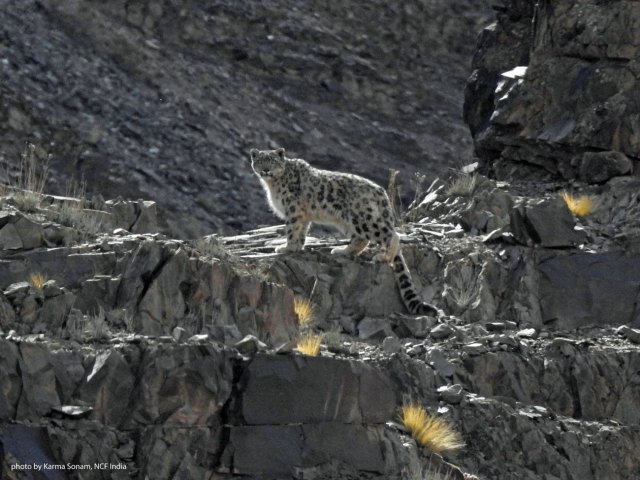
In Pursuit of the Snow Leopard: A Himalayan Adve...
My life revolves around capturing the unseen beauty of the natural world. As a wildlife photographer from Mumbai, I’ve always been drawn to elusive creatures, and none more so than the magnificent snow leopard. These “ghosts of the mountains” are facing increasing threats, and I believe that through my photographs, I can help raise awareness about their vulnerable conservation status. That’s why I embarked on a 10-day journey to the Paro Valley in Bhutan, from November 25th to December 5th, hoping to document these incredible animals in their natural habitat and share their story with the world.
Pre-Trip Preparations: Permits, Guides, and Ethical Considerations
Planning a trip to Bhutan with the primary goal of photographing snow leopards is no simple task. The first hurdle was obtaining the necessary permits from the Bhutanese government for wildlife photography within Jigme Dorji National Park. This involved a lengthy application process, providing detailed itineraries, and demonstrating my understanding of responsible wildlife photography practices. The permit alone cost a steep 1000 USD per day per person, covering access to the upper Jichu Drake trail – a known snow leopard habitat.
Even with the permit secured, navigating the rugged terrain of Jigme Dorji National Park solo would have been unwise. That's why hiring a local guide, Karma Tshering, was essential. Karma’s knowledge of the terrain, the snow leopard's habits, and Bhutanese culture proved invaluable throughout the trip.
Ethical considerations were paramount. Snow leopards are incredibly sensitive to disturbance, and it was crucial to minimize our impact on their lives. This meant maintaining a safe distance, avoiding any actions that could alter their behavior, and respecting their habitat. We agreed with Karma that we would prioritize the well-being of the snow leopards above all else, even if it meant sacrificing a perfect photograph.
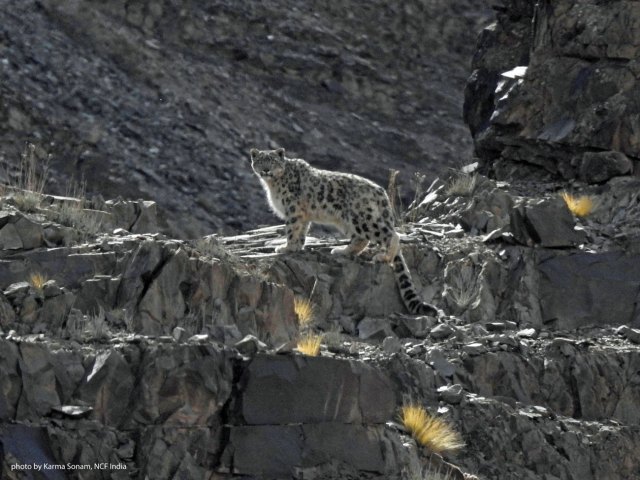
The 7-Day Snow Leopard Trek: A Test of Endurance and Patience
Our 7-day trek into Jigme Dorji National Park was a grueling but rewarding experience. Karma and I ventured deep into snow leopard territory, facing challenging conditions at every turn. The high altitude took its toll, and the temperatures plummeted to -15 degrees Celsius at night. The biting wind and relentless snow made photography even more difficult, testing both my equipment and my resolve.
The landscape was breathtakingly beautiful, a panorama of snow-capped Himalayan peaks, glacial rivers carving their way through valleys, and sparse rhododendron forests clinging to the mountainsides. Every day, we would scour the landscape for signs of snow leopard activity – footprints in the snow, scrape marks on rocks, and scat.
My equipment was my lifeline. I relied on my Canon EOS R5 with a Canon RF 100-500mm lens, a Gitzo tripod for stability in the wind, and a weather-sealed camera bag to protect my gear from the elements. I also carried several Bushnell NatureView Cam HD Max camera traps, hoping to capture images of the elusive cats when we weren't around. Setting up the camera traps was time-consuming but offered the hope of capturing a glimpse of the snow leopards’ hidden lives.
Hours melted into days as we waited patiently, scanning the horizon for any sign of movement. The silence was often broken only by the wind and the occasional call of a bird. The frustration of spending so much time without a sighting was immense, but Karma's unwavering optimism and his deep respect for the mountains kept me going. While I didn’t get the chance to photograph a snow leopard directly, tracking their footprints and imagining them moving through the landscape was an experience I will never forget.
A Near Miss: The Dangers of Wildlife Photography
Wildlife photography isn't without its risks. There was one particular instance when I was trying to get a better angle for a photograph of a possible snow leopard den site. The ground was covered in a thick layer of snow, and I didn't realize how close I was to the edge of a steep drop-off. As I shifted my weight, the snow gave way, and I nearly slipped and fell. Thankfully, Karma was quick to react, grabbing my arm and pulling me back to safety. The incident was a stark reminder of the need for constant vigilance and respect for the environment. It’s so easy to become engrossed in the shot and forget about your surroundings, but safety should always be the top priority.
Cultural Encounters: Archery and the Tiger's Nest
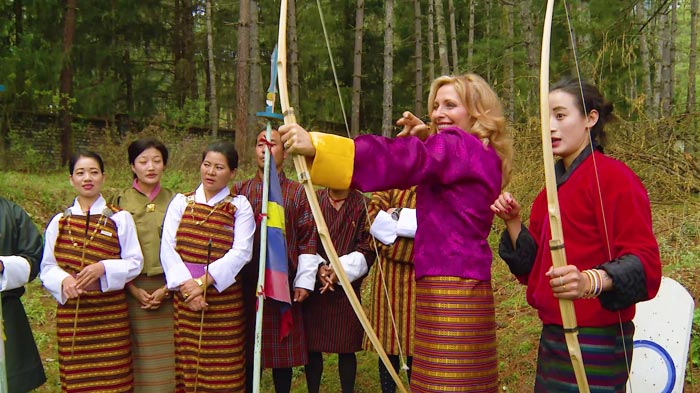
While the primary focus of my trip was snow leopard photography, I also made time to immerse myself in Bhutanese culture. One afternoon, Karma took me to a local archery competition in Paro. The atmosphere was electric, with vibrant traditional Bhutanese clothing adorning the archers. The air crackled with excitement as they took aim, their arrows whistling through the air towards distant targets. The rules of the game were complex, involving intricate rituals and chanting. I even tried my hand at archery, with hilariously bad results. Let's just say my arrows didn't even come close to the target!
Another highlight was visiting the Tiger's Nest Monastery (Paro Taktsang), perched precariously on a cliffside overlooking the Paro Valley. The monastery was dusted with snow, adding to its ethereal beauty. The climb to the top was challenging, but the breathtaking views and the spiritual significance of the site made it more than worthwhile. The panorama of the valley spread before me, a humbling reminder of the power and beauty of nature.
Tastes of Bhutan: Embracing Bhutanese Cuisine
No trip to Bhutan is complete without experiencing the local cuisine. I bravely sampled ema datshi, the national dish – a fiery chili cheese stew. It was surprisingly spicy, but the flavor was undeniably delicious. I also enjoyed momos (dumplings) and tried suja (butter tea), though I didn't quite acquire a taste for the latter. One of my favorite discoveries was Bhutanese red rice, which became a staple during my trip. It's nutty, flavorful, and incredibly satisfying after a long day of trekking.
Post-Processing and Conservation: Sharing the Story
Once I returned to Mumbai, the real work began: post-processing the thousands of images I had captured. I use Adobe Lightroom to enhance the details and colors, carefully adjusting the exposure, sharpening the focus, and reducing noise. My goal is to create images that are both visually stunning and scientifically accurate, capturing the essence of the Bhutanese landscape and the creatures that inhabit it.
These photographs are more than just pretty pictures. They are a tool for raising awareness about snow leopard conservation and the need for sustainable tourism in Bhutan. By sharing these images, I hope to inspire others to care about these magnificent animals and their fragile ecosystem. To support conservation, consider donating to organizations such as the Snow Leopard Trust, which funds research and community-based conservation programs.
Conclusion: A Journey of Discovery and Appreciation
My 10-day trip to the Paro Valley was an incredible experience that deepened my appreciation for the beauty and fragility of the Himalayan ecosystem. While I didn't manage to capture a photograph of a snow leopard, the journey taught me about patience, resilience, and the importance of respecting nature. I learned so much from Karma about Bhutanese culture and the importance of living in harmony with the environment.
I left Bhutan with a renewed commitment to responsible travel and a desire to support local communities. If you're considering a trip to Bhutan, I urge you to do so ethically, choosing tour operators who prioritize sustainability and cultural sensitivity. Learn about snow leopard conservation efforts and support organizations working to protect these incredible animals.
The experience underscored the importance of responsible travel. When we travel, we leave an impact; the hope is that impact is beneficial to the region. As a photographer, it is my responsibility to ensure my work inspires viewers to support these efforts to sustainably maintain the region.
The snow leopard may have remained elusive, but the beauty and wonder of Bhutan will stay with me forever.

Learn more about snow leopard conservation and consider visiting Bhutan responsibly to experience its unique culture and landscapes. Explore Vistalocation.com for ethical travel options and further information.
Anya Sharma Bhutan Photography: Potential Viral Video
Here's a concept for a viral video capturing the essence of Anya Sharma's snow leopard photography trip:
HOOK (0-3 seconds): POV shot from a trap camera revealing a snow leopard staring directly into the lens, its yellow eyes piercing through the snowy landscape, shot in cinematic 4K.
SCENE (3-7 seconds): Quick cuts montage of Anya Sharma's gloved hands setting up a Bushnell NatureView Cam HD Max trap camera at various locations, using a GoPro to capture POV shots of her carefully placing the camera, adjusting angles, and camouflage with snow and branches. The scene has harsh, realistic conditions with snow falling.
TWIST (7-10 seconds): Anya, while checking a camera trap, is suddenly surprised by a herd of wild goats bursting over a ridge. She stumbles backward, narrowly avoiding a steep drop into the valley below. The entire event is captured with a dramatic close-up and Dutch angle, emphasizing the perilous situation.