Immerse Yourself in Oaxaca's Vibrant Food Cultur...
Oaxaca, Mexico is more than just a travel destination; it's a culinary journey waiting to be savored. From its complex sauces to its crunchy snacks, Oaxacan food is a symphony of flavors and traditions passed down through generations. If you're planning a visit, get ready to tantalize your taste buds. This Oaxaca food travel guide dives into seven distinct tastes that will immerse you in the heart of Oaxacan cuisine. Get ready to explore, discover, and connect with the local culture through its incredible food! What to eat in Oaxaca? Keep reading to find out!
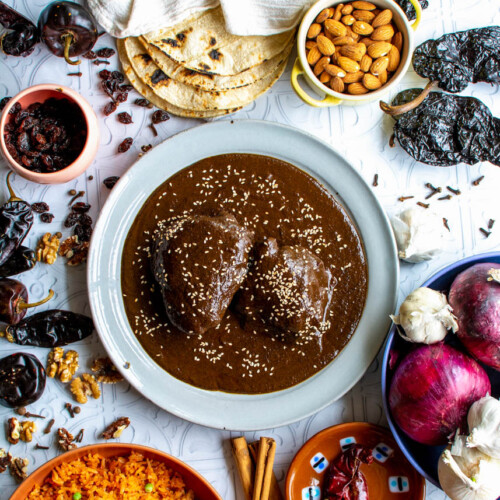
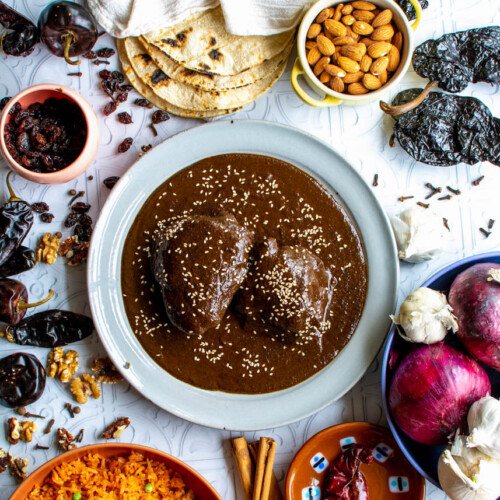
1. Mole Negro: A Culinary Masterpiece
Mole Negro, the "black mole," is the king of Oaxacan cuisine. It's not just a sauce; it's a profound expression of culinary art. Made with dozens of ingredients, including various chilies, chocolate, spices, and sometimes even nuts and seeds, Mole Negro is a testament to patience and tradition. The complexity of flavors – sweet, smoky, spicy, and bitter – unfolds with each bite.
Experience: For an authentic experience, visit [Restaurante Las Quince Letras](Libres 309, Centro). This traditional restaurant offers a truly remarkable Mole Negro. If you're on a budget, the Mercado 20 de Noviembre is your playground. Sample different moles from various vendors – each with its own unique twist.
Cost: Expect to pay around 250-400 pesos at a restaurant like Las Quince Letras. Market samples can be as low as 20 pesos.
Local Connection: Truly immerse yourself by taking a cooking class at [Casa de los Sabores](Murguía 302, Centro). Learn directly from the Cruz family, who have been crafting Mole Negro for generations. Ask about their family's history and the secrets behind their specific recipe. What is Mole Negro made of? They’ll tell you everything!
2. Tlayudas: Oaxaca's Crispy Culinary Canvas
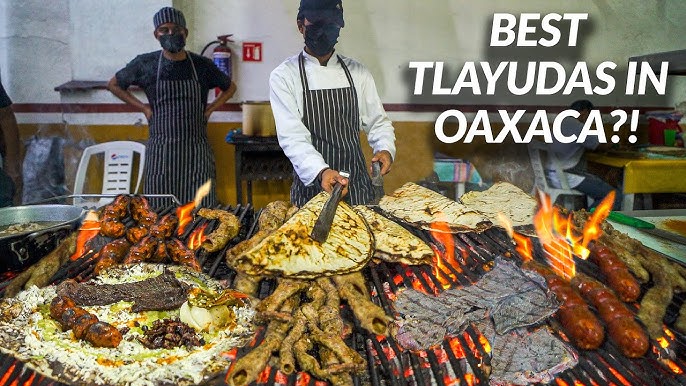
Tlayudas are Oaxaca's answer to pizza, but with a distinctly Oaxacan soul. A massive, crispy tortilla forms the base, topped with a layer of refried beans, quesillo (Oaxaca cheese), lettuce or cabbage, your choice of meat (tasajo – thinly sliced grilled beef – or cecina – salted pork – are popular), and salsa. It's a satisfying and shareable feast.
Experience: [Tlayudas El Negro](corner of Armenta y Lopez and Aldama) is a must-visit institution. Prepare for a late-night crowd! For a more upscale experience, visit [Origen](Murguía 304, Centro), where Chef Rodolfo Castellanos offers a modern interpretation of this Oaxacan classic.
Cost: El Negro offers tlayudas for around 80-120 pesos. Origen's version will be closer to 250-350 pesos.
Local Connection: Chat with the vendors at the Mercado de la Merced. Many families have been selling tlayudas for generations. Ask them about the best ways to prepare and enjoy a tlayuda like a local. Find out what Oaxaca cheese is best for making Tlayudas at home.
3. Chapulines: A Crunchy Oaxacan Adventure
Brace yourself for chapulines: grasshoppers! Seasoned with chili, lime, and salt, these crunchy critters are a surprisingly delicious and protein-rich snack. They're a quintessential Oaxacan experience for adventurous eaters.
Experience: Find them in abundance at Mercado Benito Juárez. Vendors will eagerly offer you samples. Don't be shy – give them a try!
Cost: A small bag costs around 30-50 pesos.
Local Connection: Talk to the vendors in the market, particularly those who harvest the chapulines themselves. Learn about the seasonality of chapulines and sustainable harvesting practices. Are chapulines safe to eat? Ask them about preparation and storage methods.
4. Mezcal: Oaxaca's Smoky Elixir
Oaxaca is the heart and soul of mezcal production. This smoky spirit, made from various types of agave, offers a complex range of flavors, from fruity and floral to earthy and smoky. Each mezcal is unique, reflecting the terroir and the distiller's expertise. Tasting Mezcal in Oaxaca is a must-do!
Experience: Visit [Mezcaleria In Situ](Morelos 511, Centro) for an expert-led tasting of various mezcals. The staff is incredibly knowledgeable and can guide you through the nuances of each spirit. For a more immersive experience, take a day trip to Santiago Matatlán, the "World Capital of Mezcal," and visit a small palenque (distillery) such as El Rey de Matatlán.
Cost: Tastings at In Situ range from 300-500 pesos. Palenque tours usually cost around 500-800 pesos, including transportation from Oaxaca City.
Local Connection: At El Rey de Matatlán, ask the family to show you the process from agave plant to bottle. Inquire about their family history in mezcal production. How is Mezcal made in Oaxaca? You’ll learn first-hand.
5. Tejate: A Pre-Hispanic Refreshment
Tejate is a refreshing pre-Hispanic drink with a unique frothy texture and slightly earthy flavor. It's made from maize, cacao, flor de cacao (cocoa flower), and pixtle (ground roasted mamey seed). It's a cooling and surprisingly filling beverage perfect for a hot day.
Experience: Find tejate vendors at Parque Llano or in the smaller villages surrounding Oaxaca City, particularly in San Andrés Huayapam.
Cost: A large gourd of tejate costs around 20-30 pesos.
Local Connection: In San Andrés Huayapam, try to find a family making tejate in their home. Ask about the traditional preparation methods and the significance of tejate in local ceremonies. What does Tejate taste like? Locals can best describe the unique flavor profile.
6. Queso Oaxaca: The Stringy Star
Queso Oaxaca is a stringy, mild, and melty cheese perfect for quesadillas, tlayudas, or simply enjoyed on its own. Its delicate flavor and unique texture make it a versatile ingredient in Oaxacan cuisine.
Experience: Purchase it fresh from the Mercado 20 de Noviembre. Look for the vendors selling it directly from large balls. Try it grilled right there – the perfect snack!
Cost: A kilo costs around 120-150 pesos.
Local Connection: Ask the vendors about the origin of their cheese and the different farms that produce it. What is Queso Oaxaca similar to? They can explain the nuances of its flavor and texture compared to other cheeses.
7. Chocolate de Agua: A Traditional Hot Chocolate
Chocolate de Agua is a traditional Oaxacan hot chocolate made with water instead of milk. It's often flavored with cinnamon and sometimes chili, offering a subtly different and less rich experience than its milk-based counterparts.
Experience: Visit [Mayordomo](Independencia 209, Centro) for a taste of this classic. Or, attend a chocolate-making workshop at [Chocolate Case](Garcia Vigil 825, Centro).
Cost: A cup costs around 30-50 pesos. Workshops range from 500-800 pesos.
Local Connection: Learn about the history of cacao cultivation in Oaxaca and its importance to the region's economy. How to make authentic Chocolate de Agua? A workshop will teach you the traditional methods.

A Culinary Adventure Awaits in Oaxaca
Oaxaca's food scene is a vibrant tapestry woven with tradition, flavor, and community. By exploring these seven distinct tastes, you'll gain a deeper appreciation for the rich culinary heritage of this incredible region. When visiting Oaxaca, be mindful of supporting local businesses and respecting the rich cultural traditions. Eat at family-owned restaurants, buy directly from artisans, and ask questions to learn more about the people and stories behind the incredible food you're experiencing. Consider taking a cooking class from a local family, and truly learn the Oaxaca cuisine. Plan your Oaxaca Culinary Tours today.