Icefields Parkway: A Geologist's Journey Throug...
The sky over Jasper blazed with twilight hues, a canvas of cerulean slashed with streaks of cloud, as I arrived. The air, crisp and clean with the scent of pine, hinted at the raw beauty that lay ahead. Even in the fading light, the silhouette of Mount Edith Cavell stood stark against the horizon, a promise of the geological wonders to come. After years of studying tectonic plates and glacial formations on maps and in textbooks, I was finally here, ready to witness the artistry of glaciers firsthand. A thrill coursed through me, a blend of childlike excitement and the focused curiosity of a seasoned geologist. I knew this journey along the Icefields Parkway wouldn't just be a sightseeing trip; it would be a pilgrimage into the heart of geological time.
Athabasca Glacier: A First Encounter with Ice
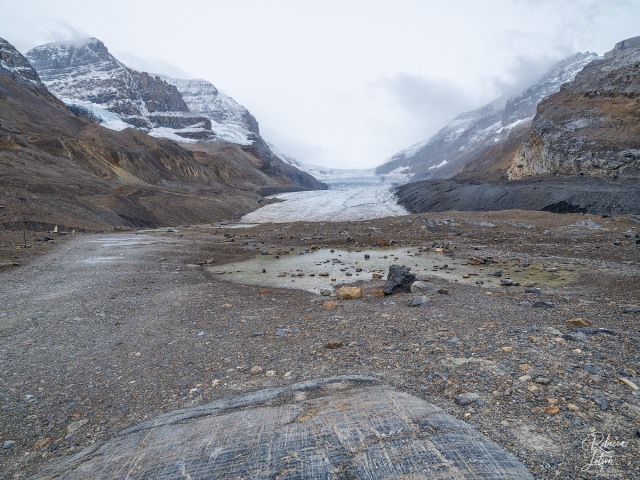
The next morning dawned bright and clear, the sun already high and piercing. My first stop was the Athabasca Glacier, a tongue of ice stretching down from the vast Columbia Icefield. Walking towards its toe, the landscape transformed. The vibrant electric blue of the glacial ice stood in stark contrast against the grey, rocky moraine left behind in its wake. It was a breathtaking sight, a landscape sculpted by immense power.
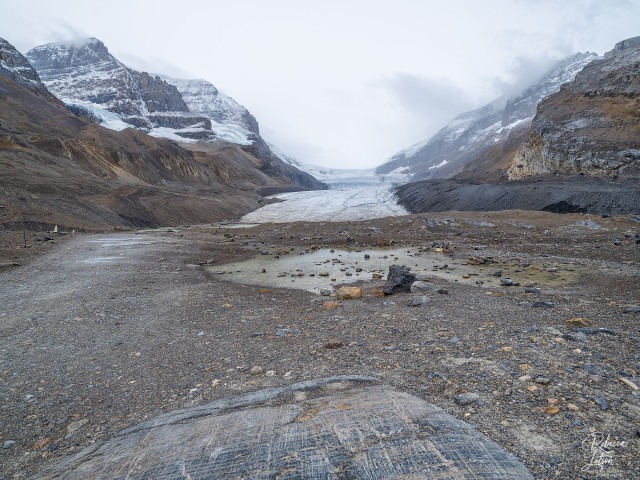
I knelt down, examining the rocks scattered across the moraine. Grooves and striations etched into their surfaces told a silent story. These weren't random scratches; they were records of the glacier's relentless movement over millennia. As the glacier flowed, it dragged rocks and debris along its base, carving these telltale marks into the bedrock. Imagine, if you will, a giant rasp slowly, powerfully shaping the landscape over countless years.
While the beauty was undeniable, a shadow of concern lingered. The Athabasca Glacier, like so many others around the world, is receding at an alarming rate. As a geologist, I see the evidence of climate change etched into this landscape. The ever-shrinking ice mass is a stark reminder of the impact we are having on our planet. But rather than preach doom and gloom, I prefer to focus on understanding the processes at play and advocating for responsible stewardship of these incredible natural resources.
Walking on Ancient Ice: A Guided Glacier Adventure
The following day, I joined a guided glacier walk on the Athabasca Glacier itself. Strapping on crampons, I felt a thrill as the metal teeth bit into the ice. The wind whipped around my face, carrying the scent of ice and snow. Beneath my feet, I could hear the muffled roar of meltwater, a constant reminder of the glacier's dynamic nature.
Our guide pointed out various glacial formations: moulins, vertical shafts where meltwater plunges into the glacier's depths, and crevasses, deep cracks that crisscross the ice surface. These features aren't just visually striking; they are vital clues to understanding the glacier's internal structure and movement. The moulins act as conduits, funneling meltwater to the base of the glacier, which can influence its flow rate. The crevasses, on the other hand, form where the ice is under stress, revealing the forces at work within the glacier. Standing there, surrounded by this frozen river, I was struck by the sheer scale of the icefield and the immense power that created it. It was a humbling experience, a visceral reminder of the Earth's immense geological history.
Columbia Icefield Discovery Centre: Digging Deeper
A visit to the Columbia Icefield Discovery Centre provided further insight into the region's geological wonders. Instead of passively observing the exhibits, I sought to truly understand the science behind them. One exhibit, in particular, caught my attention: a cross-section of the earth illustrating the icefield's incredible depth. It visually demonstrated the sheer mass of ice accumulated over centuries. Another exhibit featured a time-lapse video showcasing the glacial retreat over the past few decades. The speed at which the ice was disappearing was frankly, alarming.
I also had the opportunity to speak with a park ranger, peppering him with questions about the ongoing research and monitoring of the icefield. I was particularly interested in the techniques they were using to measure the glacier's movement and the data they were collecting on meltwater runoff. His answers were informative, providing a valuable glimpse into the efforts being made to understand and protect this fragile environment.
Fueling the Adventure: A Taste of the Rockies
After a day of hiking and exploration, a hearty meal was in order. I found a wonderful restaurant in Banff that specialized in locally sourced game meats. I savored a plate of elk tenderloin with wild mushroom ragout, the rich flavors and high protein content perfectly replenishing my energy after a day spent on the ice. This was a meal that truly tasted of the land.
Beyond the restaurant experience, I also made sure to pack my own trail snacks. As a scientist, I appreciate a good, calculated approach to fueling my body. My custom mix consisted of dried berries, nuts, and dark chocolate, carefully selected for their calorie density and nutritional value. I calculated the proportions to provide optimal energy with minimal waste – a crucial consideration when spending long days in the backcountry.
Lake Louise Sunset: A Final Reflection
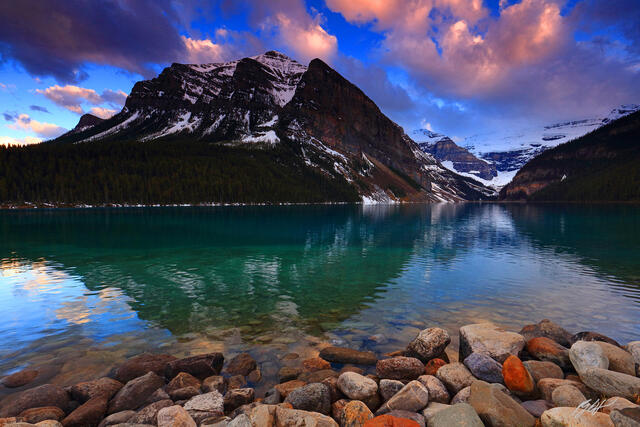
My journey along the Icefields Parkway culminated at Lake Louise. As the sun began to set, the turquoise waters mirrored the snow-capped peaks of the surrounding mountains, creating a scene of breathtaking beauty. Standing on the shore, I reflected on the experiences of the past few days.
The Icefields Parkway is more than just a scenic drive; it's a living textbook of geologic history. From the striations on the rocks to the towering glaciers and the vibrant turquoise of Lake Louise (caused by glacial flour, finely ground rock particles suspended in the water), every element of this landscape tells a story of immense forces and vast spans of time.
I urge you, dear reader, to visit this natural wonder. Come and appreciate the beauty, but also take the time to understand the science behind it. Learn about the glaciers, the mountains, and the processes that have shaped this incredible landscape. And most importantly, let us all commit to protecting these fragile environments, ensuring that future generations can continue to marvel at the artistry of the Icefields Parkway.