Hokkaido's Silent Snow: Finding Zen in Japan's W...
Hokkaido, Japan's northern frontier, is often associated with adrenaline-pumping winter sports and dazzling snow festivals. But beyond the thrilling slopes and vibrant displays lies a deeper, more serene experience waiting to be discovered. In Hokkaido's winter landscape, you'll find a unique blend of tranquility and adventure, inviting you to connect with nature, yourself, and the rich cultural heritage of the region. This blog post explores the mindful side of Hokkaido's winter, offering suggestions for immersive activities that promote responsible tourism and cultural sensitivity, ensuring that your journey is both enriching and respectful. This is a journey where "Hokkaido winter spiritual retreat" is not just a dream but an achievable reality.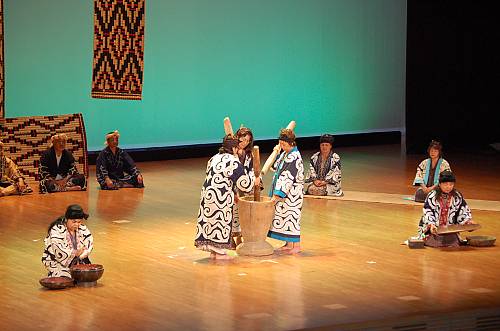
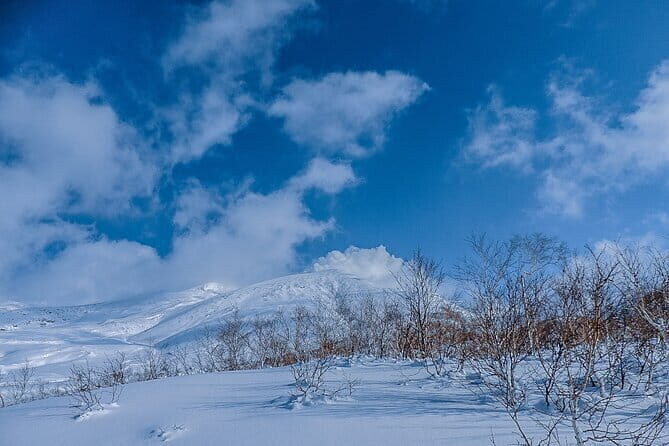
Hokkaido's snow-covered forests offer a serene landscape for forest bathing and mindful snowshoeing.
"Forest Bathing" Snowshoeing & Zen Meditation
Escape the hustle and bustle and immerse yourself in the stillness of Hokkaido's forests with a guided snowshoeing experience near Shiretoko National Park. Far from the crowded ski resorts, this experience offers a chance to reconnect with nature through the practice of Japanese forest bathing (Shinrin-Yoku). Led by a local guide experienced in Shinrin-Yoku techniques, this mindful snowshoe trek is designed to awaken your senses and promote relaxation.
Imagine crunching through pristine snow, the only sounds the gentle breeze rustling through the trees and the soft rhythm of your own breath. During the tour, your guide will lead you through specific meditation practices, such as mindful breathing exercises and nature observation. Take time to notice the intricate patterns of snowflakes, the textures of the bark on the trees, and the subtle shifts in light and shadow.
Feel the connection with the environment as you listen to the sounds of nature – the distant call of a bird, the whisper of the wind, the muffled silence of the snow. Allow yourself to be fully present in the moment, letting go of distractions and anxieties. This experience provides a profound sense of peace and well-being, offering a true Hokkaido winter zen activities escape.
"Onsen Hopping" After Dark Backcountry Skiing
Combine the thrill of backcountry skiing with the soothing relaxation of a traditional Japanese onsen for an unforgettable evening in Hokkaido. Near Furano, embark on a backcountry skiing adventure under the stars, culminating in a visit to the Fukiage Onsen, also known as "吹上温泉保養センター" ("Fukiage Onsen Hogo Center").
The experience begins with "skinning up" the mountain – attaching special climbing skins to your skis to ascend the snowy slopes. As you ascend, the world transforms under the starlit sky. The anticipation of the hot spring builds with each step.
Upon reaching the Fukiage Onsen, prepare for a truly authentic Japanese experience. Before entering the water, it is crucial to understand the proper onsen etiquette. This includes thoroughly washing your body with soap and water at the provided stations before stepping into the communal bath. Respect the quiet atmosphere by speaking softly and refraining from splashing. Immerse yourself in the naturally heated waters, letting the minerals soothe your muscles and ease any tension. The contrast between the cold night air and the warm water creates a uniquely invigorating sensation. This is truly a unique way to experience "Onsen hopping Hokkaido winter."
"Ramen Pilgrimage" Snowmobiling
Embark on a culinary adventure across central Hokkaido with a snowmobile tour that focuses on sampling the region's diverse and delicious ramen specialties. This isn't just about the thrill of the ride; it's about immersing yourself in the local culture through its food. This "Ramen Pilgrimage" combines the excitement of snowmobiling with the comfort of regional culinary treasures.
Here's a sample itinerary:
- Asahikawa Ramen: Start your journey in Asahikawa, known for its soy sauce-based ramen. Visit Ramen Aoba (青葉), a renowned shop famous for its traditional recipe and rich broth. Asahikawa ramen is characterized by its shoyu (soy sauce) base, often topped with pork, menma (bamboo shoots), and green onions.
- Sapporo Ramen: Next, snowmobile towards Sapporo, the birthplace of miso ramen. Here, you must visit Sapporo Ramen Kyowakoku (札幌ラーメン共和国), a "ramen republic" within Sapporo Station, housing various regional ramen shops. Sapporo ramen is famous for its miso-based broth, often enriched with garlic, ginger, and lard to keep it warm in the cold weather. The lard creates a protective layer, ensuring the soup remains piping hot even in freezing temperatures. The toppings often include corn, butter, bean sprouts, and char siu pork.
- Hakodate Ramen: Conclude your pilgrimage in Hakodate, where you'll discover the city's signature salt-based (shio) ramen. Hakodate ramen is known for its clear, light broth, typically made with chicken and seafood. Toppings often include char siu pork, nori seaweed, and green onions.
This snowmobile tour offers a delicious and immersive way to experience the regional flavors of Hokkaido. Remember that ethical "snowmobiling Hokkaido" is crucial, so look for tour operators with good environmental practices and those that respect the Ainu heritage.

Different regional ramen specialties in Hokkaido, offering a culinary journey through the region's flavors.
Supporting Ainu Communities and Responsible Tourism
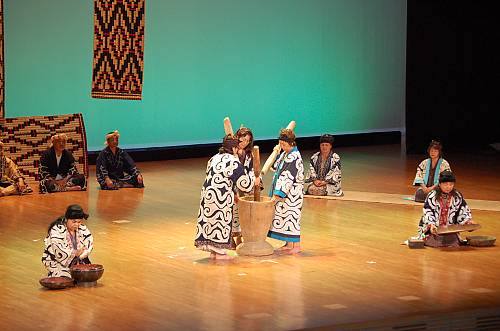
When exploring Hokkaido, it's essential to recognize and respect the indigenous Ainu people, who have called this land home for centuries. Supporting local Ainu communities through tourism is a powerful way to promote cultural preservation and economic empowerment.
Visit the Ainu Culture Promotion Center in Sapporo (アイヌ文化交流センター) to learn about Ainu history, language, and traditions. Consider attending traditional dance performances or purchasing handicrafts directly from Ainu artisans. These activities provide valuable income for the community and help preserve their cultural heritage. Seek out "Ainu culture Hokkaido tourism" opportunities to enrich your trip.
Remember to be mindful of sacred sites and always ask for permission before taking photos. Learning about Ainu history and culture is paramount to fostering understanding and respect, embracing a truly "Responsible tourism Hokkaido Ainu" mindset.
Beginner’s Mistake: Cultural Insensitivity and How to Avoid It
One of the biggest mistakes travelers make in Hokkaido is cultural insensitivity and a lack of understanding of local customs. Japan has a rich and nuanced culture, and it's important to be aware of these nuances to avoid unintentional offense. Learning "cultural sensitivity Japan travel" is key.
Here are a few common mistakes and how to avoid them:
- Speaking loudly in public spaces: In Japan, quiet and respectful behavior is highly valued in public settings. Avoid loud conversations or boisterous behavior on trains, in restaurants, or in other public areas.
- Not removing shoes when entering traditional establishments: In many homes, temples, and some restaurants, it's customary to remove your shoes before entering. Look for a designated shoe removal area or follow the lead of others.
- Being disrespectful towards Ainu traditions: The Ainu people have faced historical discrimination and marginalization. Be mindful and respectful of their culture and traditions. Avoid making assumptions or stereotypes, and always ask for permission before photographing or filming Ainu individuals or cultural sites.
- Disregarding Onsen Etiquette: Don't enter the onsen without washing first. Keep your voice down, and don't submerge your towel in the water.
By being mindful and respectful of local customs, you can ensure that your visit to Hokkaido is a positive and enriching experience for both yourself and the local communities.
Sapporo Snow Festival Lantern Creation: Viral Video Script
Video Title: Hidden Magic: Sapporo Snow Festival Lanterns
Visuals:
- (0-3 seconds): Close-up of a Japanese craftsman's gloved hands rapidly and precisely carving intricate details into a block of ice using specialized tools. Dramatic lighting.
- (3-10 seconds): Rapid cuts showing the lantern-making process: ice selection, initial shaping, detailed carving, smoothing, and finishing touches. Background of falling snow and twinkling lights.
- (10-20 seconds): Cinematic shots of the craftsman working, interspersed with slow-motion shots of ice shavings falling. Golden hour lighting.
- (20-25 seconds): The finished lantern is illuminated from within, revealing a hidden character from Ainu folklore carved into the ice. Close-up on the Ainu character's face.
- (25-30 seconds): Wide shot using a drone to capture hundreds of illuminated snow lanterns creating a breathtaking vista. Upbeat traditional Ainu song begins. Orbit shot of a completed lantern.
Audio:
- (0-20 seconds): Sound of ice carving, scraping, and gentle ambient sounds of winter.
- (20-30 seconds): Upbeat traditional Ainu song.
Text Overlay:
- (0-3 seconds): "Sapporo Snow Festival"
- (20-25 seconds): "Ainu Art Hidden in Ice"
- (25-30 seconds): "#Sapporo #SnowFestival #AinuCulture #JapanTravel"
Video Description:
Witness the breathtaking artistry behind the Sapporo Snow Festival lanterns! ❄️ This year, discover the hidden magic of Ainu culture woven into each ice sculpture. Prepare to be amazed! ✨ #Sapporo #SnowFestival #AinuCulture #JapanTravel #Japan #WinterWonderland #IceSculpture #Art #TravelJapan #HiddenGems
Illuminated snow lanterns at the Sapporo Snow Festival, showcasing the artistry and cultural significance.
Conclusion
Hokkaido's winter offers more than just snow-covered landscapes and thrilling adventures. It provides an opportunity for quiet reflection, cultural immersion, and connection with nature. By embracing mindful travel practices and respecting the local culture, you can experience the true essence of Hokkaido's winter wonderland. Support the local communities and enrich your travel experiences, fostering a spirit of cultural exchange and understanding. Plan your "Mindful travel Hokkaido winter" journey today.
Learn More:
- Ainu Culture Promotion Center: https://www.city.sapporo.jp/shimin/jichikai/koryu/index.html (Please note that while this link leads to the Sapporo City website which provides information on the Ainu Culture Promotion Center, direct English translation may be limited.)
- Sustainable Travel International: https://www.sustainabletravel.org/