Hokkaido's Hidden Winter Wonders: Snowshoeing, S...
Escape the crowded ski slopes and discover Hokkaido's hidden winter wonders! This isn't your typical snow vacation. We're diving deep into the snowy backcountry for exhilarating snowshoeing tours in Daisetsuzan National Park, embracing the tranquility of "snow bathing" (Shinrin-yoku), conquering frozen trails on fat bikes, and marveling at the incredible Sapporo Snow Festival. Get ready for an unforgettable Japanese winter adventure that combines adrenaline, mindfulness, and cultural immersion. Picture stunning landscapes, unique Hokkaido winter experiences, and mouthwatering cuisine, all waiting to be explored. Planning an eco-friendly Hokkaido winter travel adventure? Look no further!
Backcountry Snowshoeing Adventures in Daisetsuzan
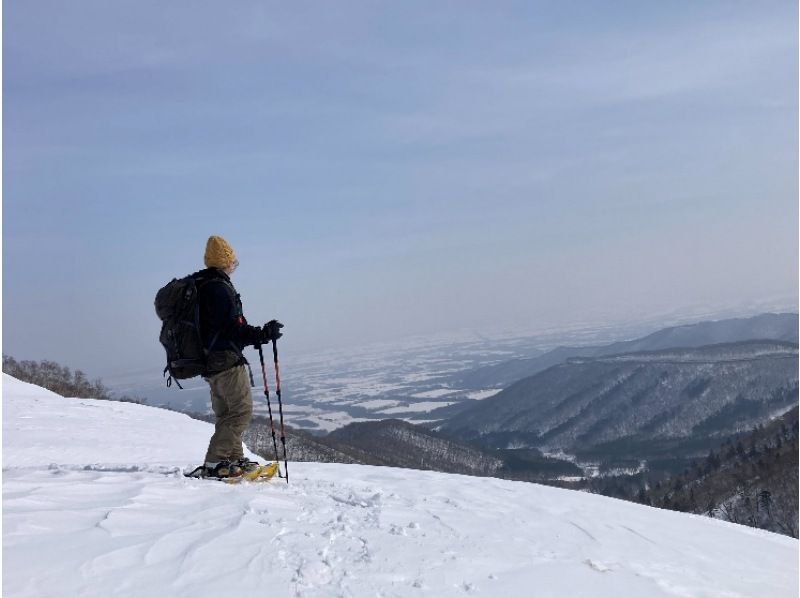
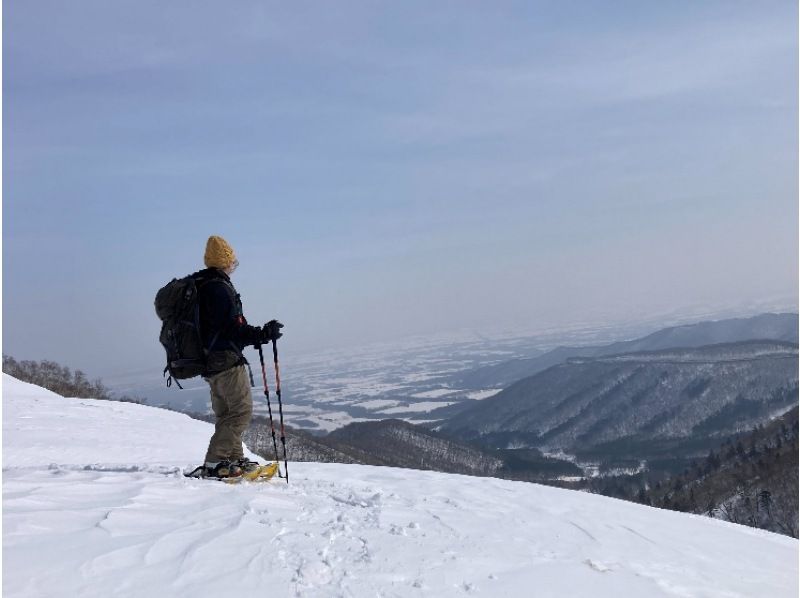
Trade the ski lifts for snowshoes and explore Hokkaido's pristine backcountry. Discover hidden trails through frosted forests, witness breathtaking panoramic views, and immerse yourself in the tranquility of the winter landscape. Finding solitude and connection with nature is at the heart of this mindful adventure.
Location Recommendation: Consider a guided tour through Daisetsuzan National Park. Numerous tour operators offer both half-day and full-day excursions, catering to varying skill levels. A guided tour ensures safety and provides valuable insights into the local flora and fauna.
Difficulty Level: Options abound for both beginner and intermediate snowshoers. Beginners can enjoy leisurely strolls through gently rolling terrain, while more experienced snowshoers can tackle steeper inclines and more challenging routes. Furano snowshoeing for beginners often involves rental equipment being readily available.
Gear Checklist: Essential items include waterproof boots, layered clothing (moisture-wicking base layers, fleece mid-layer, and waterproof outer shell), trekking poles, a map/GPS device (or a smartphone with a reliable navigation app), sunglasses, sunscreen, and a hat and gloves. Knowing what to wear snowshoeing Daisetsuzan winter is critical.
The Meditative Aspect: Beyond the physical exertion, snowshoeing offers a unique opportunity for mindfulness. The rhythmic crunch of snow underfoot, the crisp winter air, and the stunning scenery create a serene environment conducive to meditation. Focus on your breath, observe your surroundings, and allow the tranquility of nature to wash over you. Consider a Daisetsuzan backcountry snowshoe tour for the full immersive experience.
Snow Bathing (Shinrin-Yoku) in Hokkaido: A Winter Wonderland
Experience the Japanese art of "Shinrin-Yoku" (forest bathing) transformed into a winter wonderland. Snow bathing in Hokkaido for mental health is a growing trend! "Snow bathing" involves immersing yourself in the peacefulness of a snow-covered forest, engaging your senses, and breathing in the crisp, clean air. It's a unique way to reduce stress, boost your immune system, and connect with nature on a deeper level. This practice offers snow bathing benefits winter-specific advantages.
Tip: Find a quiet spot in a secluded forest. Focus on the sounds of nature (the gentle rustling of the wind through the trees, the distant call of a bird), the feel of the snow (the coolness on your skin, the texture under your feet), and the beauty of the winter landscape (the sparkling snow, the intricate patterns of the branches). What are the best winter activities in Hokkaido besides skiing? Snow bathing definitely ranks high!
Safety Note: Dress warmly in layers to prevent hypothermia. Pack extra layers in case you get wet or cold. Stay aware of your surroundings and avoid venturing too far from established trails. Is snow bathing safe for sensitive skin in winter? Generally, yes, but dress accordingly and avoid prolonged exposure.
Summer vs. Winter Forest Bathing: While summer forest bathing is characterized by lush greenery and vibrant colors, winter forest bathing offers a different kind of sensory experience. The stark beauty of the snow-covered landscape, the stillness of the air, and the quietude of the forest create a sense of profound peace. The crisp, clean air is particularly invigorating in winter.
Fat Biking on Hokkaido's Snowy Trails near Lake Akan
Ready for an adrenaline rush? Try fat biking on specialized bikes with oversized tires that grip the snow and ice. Explore Hokkaido's scenic trails in a whole new way, conquering challenging terrain and experiencing the thrill of winter cycling. Fat biking Akan National Park is an unforgettable adventure.
Location Recommendation: Explore the trails around Lake Akan. The frozen lake provides a unique backdrop for your fat biking adventure. The area offers a variety of trails, ranging from easy to challenging.
Rental Information: Several local companies offer fat bike rentals in the Lake Akan area. Some popular options include Akan Adventure Tourism and Lake Akan Eco Tours. Check online for availability and pricing. Where can I rent fat bikes in Lake Akan winter? These sites will provide that information.
Safety Tips: Wear a helmet, gloves, and appropriate winter clothing. Be aware of icy patches and changing snow conditions. Check the weather forecast before heading out and adjust your plans accordingly. Start with shorter, easier trails and gradually work your way up to more challenging terrain.
Fat Biking vs. Road Cycling: Unlike traditional road cycling, fat biking allows you to explore terrain that would otherwise be inaccessible in winter. The oversized tires provide excellent traction on snow and ice, allowing you to conquer challenging climbs and navigate tricky descents. Fat biking is a unique and exhilarating way to experience the winter landscape.
Sapporo Snow Festival: Ice Sculpture Contest
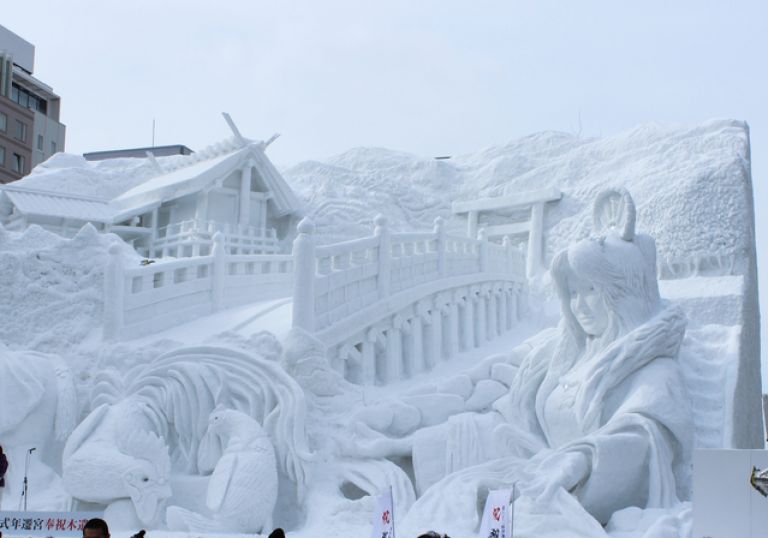
Witness the incredible artistry and craftsmanship of the Sapporo Snow Festival's Ice Sculpture Contest. Marvel at the intricate details and towering scale of the ice sculptures, created by talented artists from around the world.
Date & Location: The Sapporo Snow Festival is typically held in early February, with the main sites located in Odori Park, Susukino, and Tsudome. How long does the Sapporo Snow Festival last? Usually about a week. Check the official Sapporo Snow Festival website for the exact dates for the upcoming year.
Tips: Dress warmly, as temperatures can be very cold. Arrive early to avoid crowds, especially during peak hours. Bring a camera to capture the stunning ice sculptures. Wear appropriate footwear, as the ground can be icy and slippery. Sapporo Snow Festival photography tips include arriving early for better light and fewer crowds.
Focus on the Ice Sculpture Contest: While the entire festival is impressive, the Ice Sculpture Contest is a particular highlight. Witnessing the skill and dedication of the artists as they transform blocks of ice into breathtaking works of art is an unforgettable experience. See how to get to Sapporo Snow Festival 2025 to plan your trip now.
Hokkaido's Winter Cuisine: A Culinary Adventure
Warm up with Hokkaido's delicious winter cuisine. Don't miss the opportunity to try "Ishikari Nabe" (salmon hot pot), a hearty and flavorful dish that will warm you from the inside out. Indulge in "Shiroi Koibito" cookies, a local specialty made with white chocolate and crispy biscuits. Hokkaido winter food is a delight!
Restaurant Recommendation: For an authentic Ishikari Nabe experience, try Kani Honke in Sapporo. This restaurant is known for its fresh seafood and traditional Japanese cuisine. Where is the best Ishikari Nabe restaurant in Sapporo? Many locals would recommend Kani Honke.
History and Cultural Significance: Ishikari Nabe is a traditional Hokkaido dish that dates back to the Meiji era. It was originally created by fishermen in the Ishikari region as a way to use the salmon that they caught. Shiroi Koibito, meaning "white lover," is a more recent invention, becoming a beloved souvenir and treat representing Hokkaido's sweet side. Authentic Ishikari Nabe recipe Hokkaido winter versions often use miso and local vegetables. What is 'Shiroi Koibito'? It's a delicious white chocolate cookie!
Hokkaido in winter offers a unique and unforgettable travel experience. From snowshoeing and snow bathing to fat biking and ice sculpture festivals, there's something for every adventurous traveler. Escape the ordinary and discover the hidden wonders of Hokkaido's winter wonderland. Plan your Hokkaido winter adventure today! Visit vistalocation.com for exclusive deals and travel tips. Share your Hokkaido snow experiences with us using #HokkaidoPowder!