Hidden Food Gems of Buenos Aires: Beyond Steak a...
Buenos Aires, the "Paris of South America," is renowned for its passionate tango, stunning architecture, and, of course, its world-class steak and savory empanadas. While these culinary staples are undoubtedly a must-try for any visitor, the city boasts a wealth of other delicious foods waiting to be discovered. Delve a little deeper, and you'll uncover a rich tapestry of flavors woven from the threads of Italian and Spanish immigrant influences that have shaped Buenos Aires' unique culinary identity. Get ready to explore the hidden food gems that make Buenos Aires a true foodie paradise!
Medialunas: The Crescent-Shaped Start to Your Day
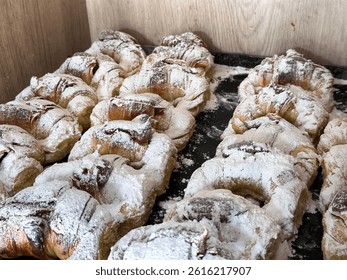
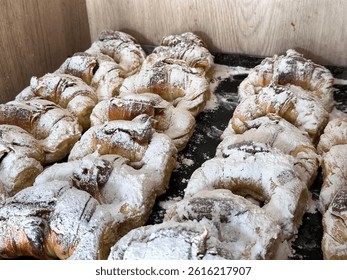
No visit to Buenos Aires is complete without indulging in a medialuna, the Argentine croissant. These sweet pastries are a staple of the porteño (Buenos Aires resident) diet, typically enjoyed with coffee for breakfast or as an afternoon treat. The history of medialunas in Buenos Aires is intertwined with European immigration, particularly from France. However, the Argentine version has evolved into something uniquely its own.
The key to understanding medialunas lies in the fat used to make them. You'll find two main types: manteca (butter) and grasa (lard). Medialunas de manteca are lighter and more buttery in flavor, while medialunas de grasa have a richer, slightly savory taste. Both are delicious, and trying both is essential!
For a truly historical medialuna experience, head to Atalaya, a traditional panadería (bakery) with multiple locations throughout the city. Their medialunas are a sight to behold: golden brown, perfectly flaky, and shaped like delicate crescents. The aroma alone is enough to entice you inside. Grab a few, order a café con leche, and savor a truly authentic Buenos Aires moment.
Pizza Porteña: A Thick Slice of Italian-Argentine Fusion
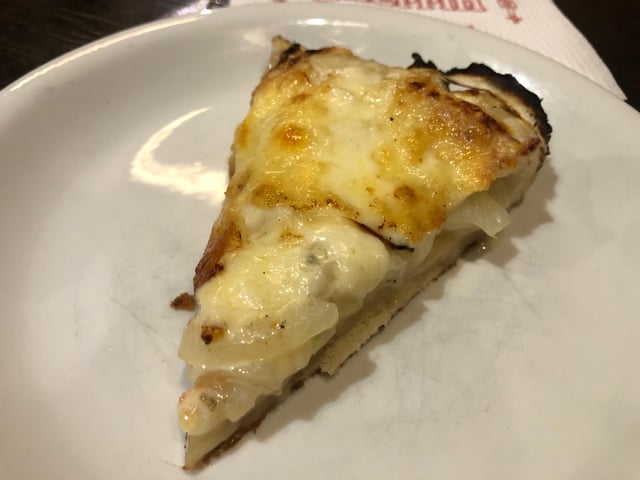
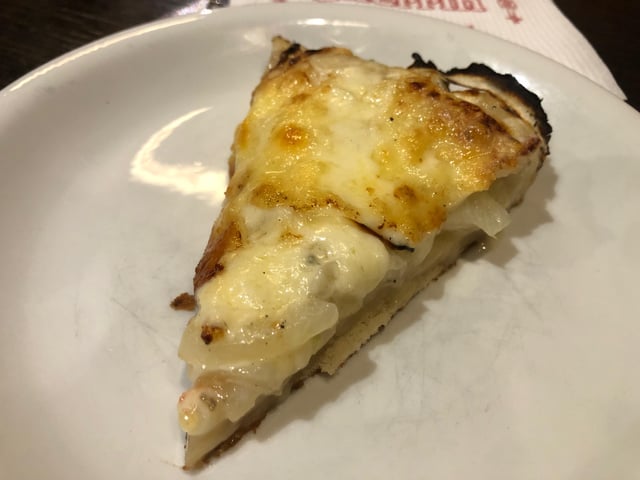
While Italy is the birthplace of pizza, Buenos Aires has wholeheartedly embraced and transformed it into its own distinct style: Pizza Porteña. This is not your typical thin-crust Neapolitan pizza. Instead, Pizza Porteña is characterized by its thick, spongy crust, generous layer of cheese (often mozzarella or provolone), and simple toppings. The influence of Italian immigration is undeniable, but the Argentine adaptation is a testament to the city's culinary creativity.
Two pizzerias that stand out as must-visit destinations are Güerrin and El Cuartito. Güerrin, located on Avenida Corrientes, is a Buenos Aires institution. Stepping inside is like stepping back in time. The bustling atmosphere, tiled walls, and the intoxicating aroma of oregano and melting mozzarella create an unforgettable sensory experience. Order a slice of fugazza (onion pizza) or muzzarella and prepare to be amazed. El Cuartito, another classic pizzeria, offers a similar experience with its own unique charm.
Choripán: More Than Just a Sausage Sandwich
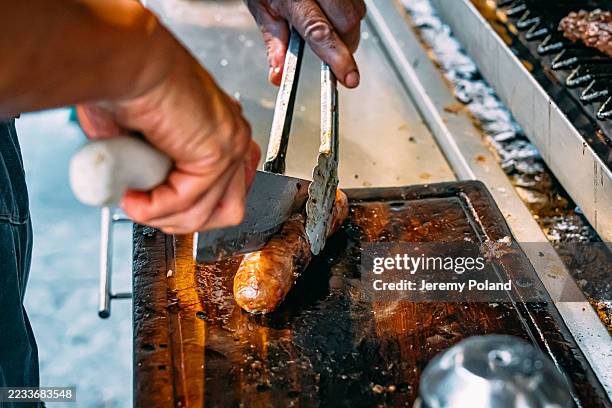
Choripán is often described as a simple sausage sandwich, but it's so much more than that. It's a culinary symbol of Argentina, a staple at asados (barbecues), and a beloved street food. The basic components are simple: chorizo (sausage), pan (bread), and chimichurri (a flavorful herb-based sauce). However, the beauty of choripán lies in its regional variations and the individual touches of each parrillero (grill master).
While you can find choripán at many restaurants, the best experiences often come from seeking out street vendors or smaller parrillas. Look for a vibrant scene, a friendly parrillero tending to the grill, and the enticing waft of smoke. Regional variations might include different types of chorizo (such as criollo or bombón), different breads, and unique chimichurri recipes. Keep an eye out for vendors offering choripán with salsa criolla (a fresh onion and bell pepper relish) or ají picante (spicy chili sauce).
Alfajores: A Sweet Journey Through Argentina
Alfajores are quintessential Argentine treats, consisting of two delicate cookies sandwiched together with a sweet filling, typically dulce de leche. While Havanna is a well-known and readily available brand, the world of alfajores extends far beyond the familiar. Exploring regional variations is a delicious way to discover the diversity of Argentine cuisine.
From the alfajores de maicena (cornstarch alfajores) dusted with powdered sugar to the chocolate-covered varieties filled with fruit preserves or regional specialties like membrillo (quince paste), there's an alfajor for every palate. Seek out smaller bakeries and artisanal producers to sample unique flavors and textures. Notice the crumbly cookies, the smooth dulce de leche filling, and the contrasting coatings. Each alfajor tells a story of tradition and regional pride.
Dulce de Leche: Argentina's Liquid Gold
No discussion of Argentine cuisine is complete without mentioning dulce de leche. This creamy, caramel-like spread is a cultural icon, used in countless pastries, desserts, and even enjoyed straight from the jar. Its cultural importance is immense, representing comfort, tradition, and the sweet side of Argentine life.
In Buenos Aires, you'll find dulce de leche used as a filling for alfajores and tortas (cakes), a topping for ice cream and crepes, and even stirred into coffee. While commercially produced dulce de leche is widely available, seeking out artisanal producers is highly recommended. These smaller businesses often use traditional methods and high-quality ingredients, resulting in a richer, more complex flavor. Pay attention to the texture and color: a good dulce de leche should be smooth, creamy, and have a deep caramel hue. Look for small, independent shops that pride themselves on crafting this beloved treat.
Exploring the food scene of Buenos Aires is an immersive cultural experience that goes beyond the typical tourist attractions. By venturing beyond the steak and empanadas, you'll discover a deeper connection to the city's history, its people, and its unique culinary identity. So, next time you visit Buenos Aires, be sure to seek out these hidden gems and truly understand the flavor of this vibrant city.