Hardangervidda Snowkiting: Glide into Sami Cultu...
Imagine a world where the only sounds are the whisper of the wind and the rhythmic crunch of snow beneath your board. Picture a vast, white expanse stretching to the horizon, the crisp Arctic air biting at your exposed skin. This is Hardangervidda National Park in Norway, a snowkiting paradise and a gateway to the rich traditions of the Sami people. Join us as we explore the thrill of harnessing the wind's power and the unique cultural experiences that await in this breathtaking landscape. Get ready to book your Norway Snowkiting Cultural Tour and support sustainable tourism.
The Sensory Symphony of Snowkiting in Hardangervidda National Park
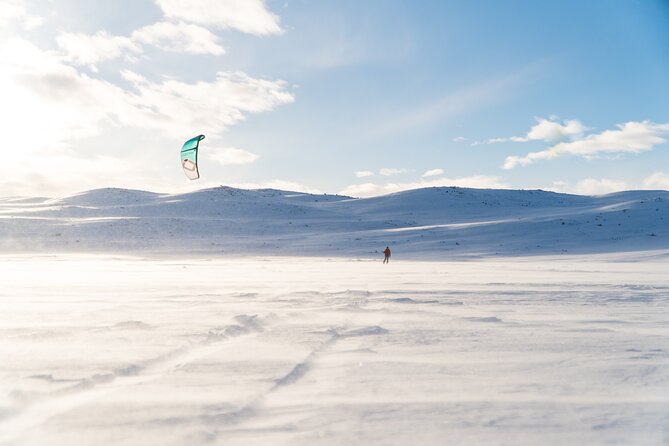
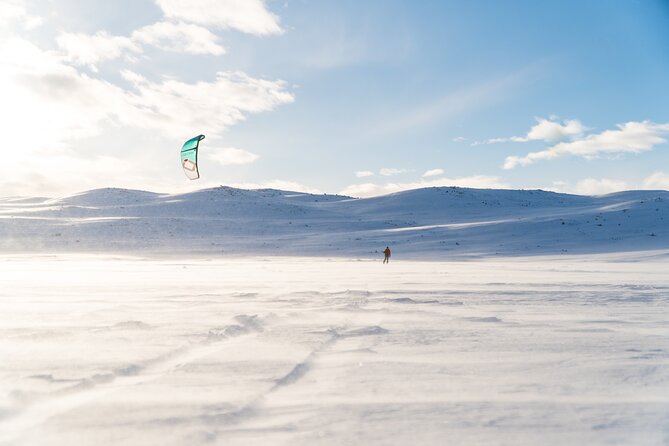
Snowkiting on Hardangervidda is an experience that ignites all your senses. The stark, white landscape is mesmerizing, a seemingly endless canvas of snow and ice. The wind, an invisible force, becomes your ally, pulling you across the frozen terrain. The crunch of the snow under your board provides a constant rhythm, a grounding presence in the vastness. The crisp Arctic wind, a stark reminder of the raw power of nature, invigorates your senses.
Harnessing the wind's power is an exhilarating sensation. As your kite catches the breeze, you feel an immediate surge of energy, a thrilling connection to the elements. Soaring across the snow-covered plains, you experience a sense of freedom and exhilaration unlike any other. It's a dance between you, the wind, and the landscape, a symphony of motion and sensation. If you are a Snowkiting Beginner Hardangervidda, many tours offer lessons to get you started.
Immersing Yourself in Sami Culture: A Warm Embrace After the Cold
The adventure doesn't end with the snowkiting. After a day of exhilarating exploration, a truly unique experience awaits: a traditional Sami reindeer stew prepared by a local family inside a warm 'lavvu' (Sami tent).
Imagine stepping into the lavvu, the biting Arctic wind immediately forgotten. The warmth of the fire embraces you, chasing away the chill. The rich aroma of the reindeer stew fills the air, a comforting and inviting scent. The sounds of Sami storytelling weave a tapestry of history and tradition, transporting you to another time. Sharing the Sami Reindeer Stew Lavvu Experience is not just a meal; it’s a connection to an ancient culture.
The Sami people have a deep and profound connection to the land, a relationship built on respect and sustainability. Their way of life reflects a commitment to preserving the environment and living in harmony with nature. This Sustainable Sami Experience Norway offers a glimpse into their rich heritage and their unique perspective on the world.
What is a Sami Lavvu?
A Lavvu is a traditional Sami dwelling, similar to a teepee. It is a conical tent made of wood and covered with hides or canvas. The lavvu has been used for centuries by the Sami people as a portable and adaptable shelter in the harsh Arctic environment. The central fire provides warmth, light, and a place for cooking and gathering.
Sustainable Travel and Supporting Local Communities
When planning your Hardangervidda snowkiting adventure, it's crucial to choose tour operators committed to sustainable practices and supporting local communities. By choosing responsible tourism options, you can ensure that your travels have a positive impact on the environment and the people who call this region home.
We highly recommend Wilderness Norway and Arctic Adventures Hardangervidda. Both companies are dedicated to environmental conservation and direct support for local Sami communities. They operate with minimal environmental impact, respecting the delicate balance of the Hardangervidda ecosystem. Moreover, 10% of their profits are directly reinvested into supporting Sami cultural preservation programs, ensuring that these traditions continue to thrive for generations to come. Looking for Ethical Wildlife Tourism Norway? Support businesses that give back.
Hardangervidda Snowkiting Trip with Sami Cultural Immersion
Choosing Wilderness Norway or Arctic Adventures Hardangervidda means choosing an experience that enriches both your life and the lives of the Sami people. You can be confident that your adventure contributes to a more sustainable and equitable future.
Here are just some of the sustainable practices these companies undertake:
- Using eco-friendly equipment and minimizing waste
- Employing local guides and supporting local businesses
- Educating visitors about Sami culture and environmental conservation
- Contributing financially to Sami cultural preservation programs
Planning Your Hardangervidda Winter Adventure
Hardangervidda National Park is easily accessible from Oslo. There are regular train and bus services to nearby towns, from where you can arrange transportation to your snowkiting location. The best time to visit for snowkiting is generally from February to April, when the snow conditions are optimal and the days are getting longer.
What to pack for snowkiting in Norway winter?
Essential items for your Hardangervidda snowkiting adventure include:
- Warm, layered clothing: Thermal underwear, fleece layers, and a waterproof outer shell
- Insulated boots and gloves: Essential for keeping your extremities warm in the Arctic conditions
- A hat and scarf: To protect your head and neck from the wind and cold
- Sunglasses or goggles: To protect your eyes from the sun reflecting off the snow
- Sunscreen: Even on cloudy days, the sun can be strong at high altitudes
What is the best time of year to snowkite in Hardangervidda?
The best time to snowkite in Hardangervidda is generally from late February to April. During these months, you can expect:
- Stable Snow Conditions: Adequate snow coverage for optimal snowkiting
- Longer Daylight Hours: More time to explore the landscape and enjoy your snowkiting adventure
- Increased Sunlight: Higher likelihood of clear skies and beautiful views
Is Hardangervidda snowkiting safe for children?
Snowkiting is an extreme sport that poses some risks. While some tour operators cater to families, snowkiting is generally not recommended for young children. Factors that make it potentially unsafe include:
- Extreme Weather: The harsh weather conditions in Hardangervidda during winter can be dangerous for children.
- Physical Exertion: Snowkiting requires a high level of physical fitness and endurance.
- Risk of Injury: Falls and collisions are possible, which can lead to injuries.
If you plan to snowkite with teenagers, ensure they are in good physical condition and follow all safety guidelines.
Why is Hardangervidda a good place for snowkiting?
Hardangervidda is a prime location for snowkiting due to its unique geography and climate:
- Consistent Winds: The plateau provides a stable and reliable wind supply, essential for snowkiting.
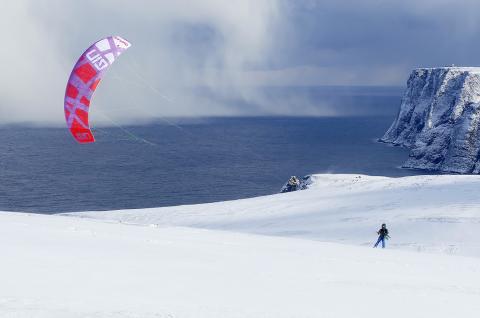
- Vast, Open Spaces: The expansive, treeless landscape offers plenty of room to maneuver and explore.
- Reliable Snow Cover: Hardangervidda receives significant snowfall throughout the winter, ensuring good snow conditions for snowkiting.
Snowkiting Beginner Hardangervidda Lessons
If you're new to snowkiting, consider booking a beginner lesson with a certified instructor. They'll teach you the basics of kite control, safety procedures, and how to navigate the snow-covered terrain.
To get to Hardangervidda from Oslo for snowkiting, you can take a train or bus to nearby towns like Geilo or Eidfjord, then arrange for local transportation to your snowkiting destination within the National Park.
Conclusion: Embrace the Adventure, Respect the Culture
Hardangervidda offers an unforgettable experience, blending the thrill of snowkiting with the opportunity to connect with Sami culture and support sustainable tourism. From the exhilarating sensation of gliding across the snow-covered landscape to the warmth and authenticity of sharing a meal inside a traditional lavvu, this is an adventure that will stay with you long after you leave. Ready to experience the thrill of snowkiting and immerse yourself in Sami culture? Book your Hardangervidda adventure with Wilderness Norway or Arctic Adventures Hardangervidda today and support sustainable tourism and local communities!