Hanoi Street Food: A Culinary Adventure for the...
Imagine yourself wandering through the vibrant streets of Hanoi, a symphony of motorbike horns, sizzling woks, and chattering locals filling the air. The aroma of exotic spices hangs heavy, beckoning you closer to the bustling street food stalls that line every corner. Hanoi's street food scene is a feast for the senses, offering an incredibly rich culinary experience that won't break the bank, making it the perfect destination for young travelers and backpackers seeking authentic flavors and unforgettable memories. Get ready to ditch the fancy restaurants and dive headfirst into a world of deliciousness – your budget-friendly culinary adventure awaits!
Bún chả: A Hanoi Staple You Can't Miss
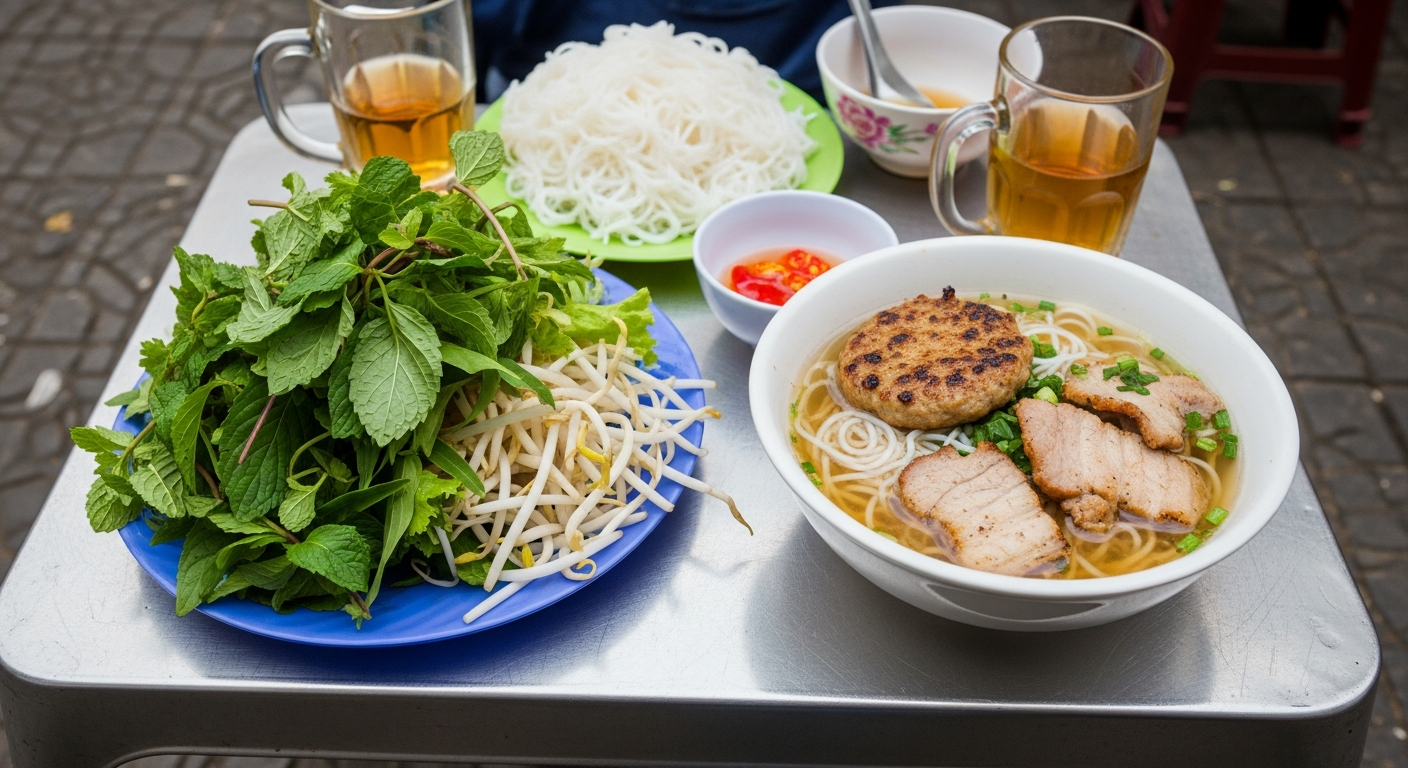
Bún chả is more than just a dish; it's a cultural icon in Hanoi. The preparation is a culinary art in itself: succulent grilled pork patties and slices of pork belly are carefully charred over hot coals, infusing them with a smoky, savory flavor. These are then served with a generous portion of fresh rice vermicelli noodles (bún) and a bowl of nước chấm, a flavorful broth made with fish sauce, vinegar, sugar, and lime. A heaping plate of fresh herbs – including mint, cilantro, and perilla – completes the experience.
For a taste of history (and presidential approval), head to Bún chả Hương Liên https://www.facebook.com/bunchahonglienobama/ (24 Lê Văn Hưu, Ngô Thì Nhậm, Hai Bà Trưng, Hà Nội), famously known as "Obama Bún chả" after President Obama and Anthony Bourdain dined there.
The taste profile of bún chả is a delightful balance of sweet, savory, and tangy. The grilled pork is tender and flavorful, the noodles are light and refreshing, and the broth provides the perfect dipping sauce. The fresh herbs add a burst of brightness and aroma, creating a truly harmonious dish.
The History of Bún chả
Bún chả is believed to have originated in Hanoi sometime in the early 20th century. It quickly became a popular street food, favored for its affordable price and satisfying flavors. The dish's simplicity and portability made it a hit with workers and students, solidifying its place as a beloved part of Hanoi's culinary landscape.
Phở: Vietnam's Iconic Noodle Soup
No trip to Hanoi is complete without indulging in a steaming bowl of phở, Vietnam's national dish. This aromatic noodle soup is a true labor of love, with a broth that simmers for hours, infusing it with complex flavors. There are two main types of phở: Phở Gà (chicken phở) and Phở Bò (beef phở).
Phở Gà features tender slices of chicken in a clear, fragrant broth, while Phở Bò boasts thin slices of beef (typically rare or medium-rare) in a richer, more robust broth. Both versions are served with soft, chewy rice noodles and a generous helping of fresh herbs, including cilantro, basil, and lime wedges. Chili sauce is a must-have for adding a spicy kick!
For an unforgettable experience, try Phở from a street vendor in the Old Quarter early in the morning. As the city awakens, the air is filled with the tantalizing aroma of simmering broth and the sounds of vendors setting up their stalls. This is the perfect way to immerse yourself in the authentic atmosphere of Hanoi and start your day with a delicious and nourishing meal.
Bánh mì: A French-Vietnamese Fusion
Bánh mì is a testament to the enduring influence of French colonialism on Vietnamese cuisine. This iconic sandwich combines the best of both worlds: a crispy, airy baguette filled with a medley of savory ingredients.
Typical fillings include pâté, cold cuts (such as Vietnamese ham or pork belly), pickled vegetables (carrots and daikon radish), cilantro, and chili. The combination of textures and flavors is simply irresistible: the crunchy bread, the creamy pâté, the savory meats, the tangy pickles, and the spicy chili all come together in perfect harmony.
For a convenient and delicious snack while exploring the city, find a Bánh mì vendor near Hoàn Kiếm Lake. There are countless vendors scattered around the lake, offering a variety of Bánh mì options at incredibly affordable prices.
Cà phê trứng: Hanoi's Egg-cellent Coffee Creation
Cà phê trứng, or egg coffee, is a truly unique and decadent treat that you won't find anywhere else. This creamy, rich coffee is made by whisking egg yolks, sugar, and condensed milk into a light and airy foam, which is then carefully poured over a cup of strong, hot coffee.
The result is a velvety smooth and intensely flavorful beverage that tastes like a liquid dessert. The sweetness of the egg cream perfectly complements the bitterness of the coffee, creating a truly unforgettable taste experience.
For the best Cà phê trứng experience, head to a cafe overlooking Hoàn Kiếm Lake. Cafe Giang [no URL provided], often credited as the origin of egg coffee, is a popular choice. Other cafes around the lake also offer excellent versions of this Hanoi specialty.
The History of Egg Coffee
Egg coffee was created in Hanoi in the 1940s, during a time of milk shortages. Nguyen Van Giang, a bartender at the Metropole Hotel, came up with the idea of using egg yolks as a substitute for milk, creating a surprisingly delicious and innovative drink that has since become a Hanoi icon.
Navigating Hanoi's Street Food Scene: Etiquette and Tips
Exploring Hanoi's street food scene can be an exciting and rewarding experience, but it's important to be aware of local customs and etiquette to ensure a smooth and enjoyable culinary adventure. Here are some tips to help you navigate the streets like a pro:
- How to order food: While many vendors speak some English, learning a few basic Vietnamese phrases can go a long way. Try "Xin chào" (hello), "Cho tôi một..." (I would like one...), and "Cảm ơn" (thank you). Pointing to the dish you want is also perfectly acceptable.
- How to pay: Cash is the preferred method of payment at most street food stalls. Have small bills on hand to avoid any confusion or inconvenience.
- How to find reputable vendors: Look for busy stalls that are popular with locals. A long line is usually a good sign that the food is delicious and fresh.
- Being mindful of hygiene: Choose vendors that appear clean and well-maintained. Observe how they handle food and whether they use clean utensils. It's also a good idea to carry hand sanitizer with you.
- The appropriate price to pay: Street food in Hanoi is generally very affordable. Ask a local or check online forums to get an idea of the typical price range for a particular dish to avoid being overcharged.
- Safety advice: As with any crowded tourist destination, be mindful of your belongings and watch out for pickpockets. Keep your wallet and phone secure, and avoid flashing expensive jewelry or electronics.
Conclusion: Embrace the Culinary Adventure
Exploring Hanoi through its street food is an absolute must-do for any visitor. It's an opportunity to immerse yourself in the local culture, experience the vibrant atmosphere of the city, and indulge in some of the most delicious and authentic cuisine that Vietnam has to offer – all without breaking the bank. So, ditch the guidebooks, embrace the unknown, and get ready to embark on a culinary adventure that will tantalize your taste buds and leave you with unforgettable memories. From slurping down a steaming bowl of Phở at dawn to savoring the sweet richness of Cà phê trứng overlooking Hoàn Kiếm Lake, Hanoi's street food scene is a feast for the senses that you won't want to miss.