Hanoi: A Harmonious Blend of Past and Future Thr...
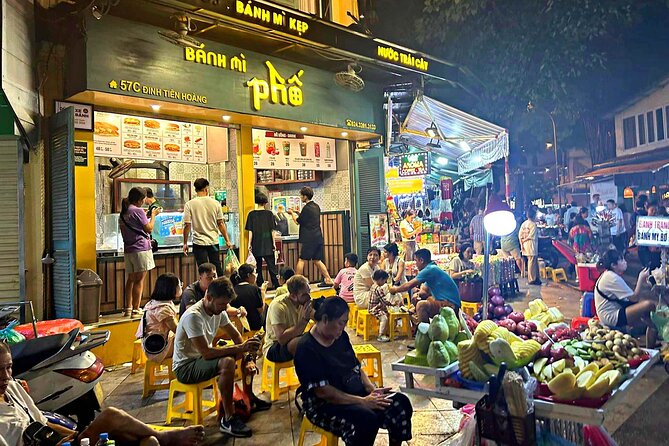
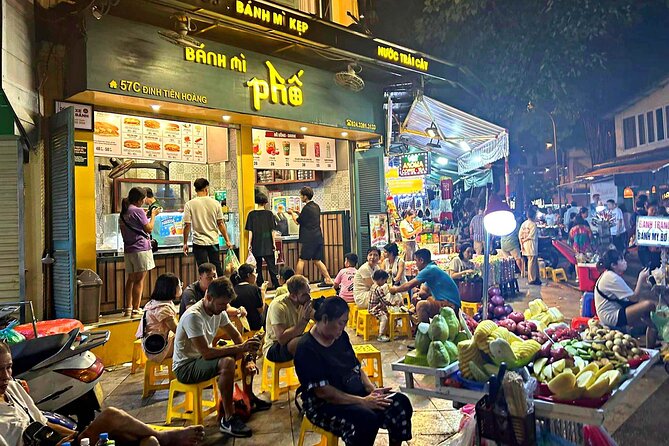
The moment I stepped into Hanoi's Old Quarter, I was hit with a wave of sensory overload. Narrow streets pulsed with the relentless energy of motorbikes weaving through throngs of people. The air hung thick with the aroma of pho ga and banh mi wafting from bustling street vendors, a fragrant contrast to the ever-present exhaust fumes. Aging French colonial buildings, their facades weathered by time, stood shoulder to shoulder with modern, often haphazard, constructions – a visual cacophony that both challenged and intrigued my architectural sensibilities. As a Japanese-American architect passionate about urban planning and sustainable design, I, Kai Ishikawa, had come to Hanoi to research its rapid urbanization and its impact on the city's rich traditional architecture and culture. This trip was not just a sightseeing excursion, but an immersive study of how a city grapples with progress while preserving its identity.
Finding Serenity at Hoan Kiem Lake
Seeking respite from the Old Quarter's frenetic energy, I found myself drawn to Hoan Kiem Lake. The jade-green waters offered a welcome contrast to the city's relentless pace. Here, the Ngoc Son Temple, perched on a small island and accessible by the iconic Huc Bridge, stood as a beacon of tranquility.
I learned that Hoan Kiem Lake serves as a vital focal point for the Hanoian community. Early mornings see locals practicing Tai Chi and evening bring families strolling along the perimeter. The lake’s design also cleverly incorporates principles of Feng Shui, aiming to harmonize the surrounding environment and promote positive energy flow, an element often overlooked in modern urban planning.
A Culinary Journey Through Hanoi's Streets: Impact on Urban Spaces
Hanoi's street food scene is not just about satisfying hunger; it's an integral part of the city's urban fabric, impacting public spaces and fostering a vibrant social culture. My taste buds embarked on an unforgettable adventure, sampling some of the most iconic dishes.
Pho Ga: The delicate broth, simmered for hours with chicken bones and aromatic spices, was a revelation. The tender chicken, paired with fresh herbs like cilantro and mint, created a symphony of flavors that danced on my palate. Where can I find the best street food in Hanoi? Many locals would say, just follow your nose!
Banh Mi: The quintessential Vietnamese sandwich. A crispy baguette, slathered with pate, layered with pickled vegetables, and filled with a variety of savory ingredients like grilled pork or chicken, is a perfect example of French influence seamlessly integrated into Vietnamese cuisine.
Bun Cha: This Northern Vietnamese specialty quickly became a favorite. Grilled pork patties, served in a flavorful dipping sauce with rice noodles and fresh herbs, offered a delightful balance of smoky, sweet, and savory notes. I later learned how to make this myself at a cooking class!
Ca Phe Trung: Egg coffee was a truly unique experience. The creamy, meringue-like egg yolk topping, whipped to a velvety texture, created a rich and decadent treat. This is a must-try for anyone visiting Hanoi and wanting to experience a truly unique treat.
Street food stalls, often family-run for generations, spill onto the sidewalks, creating impromptu public spaces where people gather to eat, socialize, and connect. This creates a dynamic and lively urban environment.
Thang Long Water Puppet Theater: A Glimpse into Vietnamese Artistic Expression
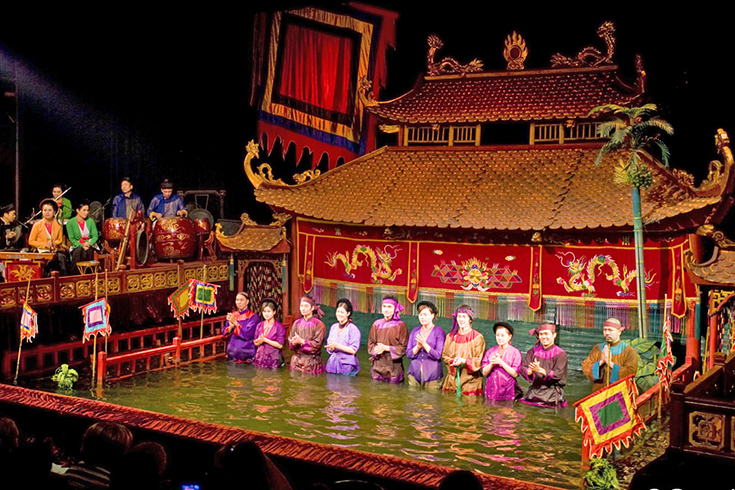
A visit to the Thang Long Water Puppet Theater provided a fascinating insight into Vietnamese traditional arts. The stage design, cleverly concealed behind a screen, created the illusion of puppets dancing on the water's surface. The symbolism of the puppets, often depicting mythical creatures and historical figures, added depth to the storytelling. The performances, accompanied by traditional Vietnamese music, were a captivating blend of artistry and cultural narrative. Why is water puppetry unique to Vietnam? The unique history of rice farming in the Red River Delta helped influence this unique performance art.
Cyclo Tour Through the Old Quarter: A Preservation Paradox
Embarking on a cyclo tour through the Old Quarter offered a slower, more intimate perspective on the city's architectural heritage. The narrow facades of the buildings, adorned with overhanging balconies and intricate details, showcased a unique blend of Vietnamese and French architectural styles. How can I experience Hanoi sustainably? Opting for a cyclo instead of a taxi is definitely a great start.
However, the tour also highlighted the challenges of preserving this architectural heritage in the face of rapid development. Many buildings are in a state of disrepair, struggling to withstand the pressures of urbanization. The need for a balanced approach that protects these historical treasures while accommodating modern needs is undeniably urgent.
A Culinary Immersion: Cooking Class and Local Markets
My cooking class focused on Northern Vietnamese cuisine, particularly the art of preparing bun cha. Sourcing ingredients from a local market provided a valuable insight into the relationship between food, culture, and the environment. Interacting with vendors, learning about the origins of the ingredients, and understanding the traditional methods of preparation deepened my appreciation for Vietnamese culinary heritage. What are the best cooking classes in Hanoi? I recommend ones that take you to the local markets.
Temple of Literature: A Legacy of Learning and Culture
My journey culminated with a visit to the Temple of Literature, a serene oasis that stands as a testament to Vietnam's rich intellectual traditions. Founded in 1070, it served as Vietnam's first university, dedicated to Confucius.
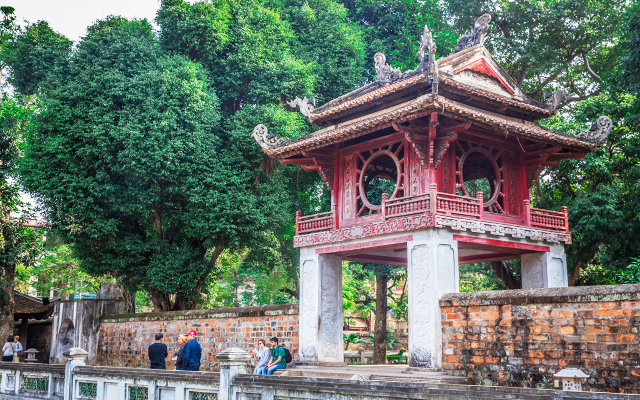
The temple's architecture, characterized by its courtyards, pavilions, and statues, reflects a deep respect for knowledge and learning. The Temple of Literature's design principles could potentially influence modern Vietnamese architecture by incorporating traditional elements and creating spaces that foster contemplation and intellectual engagement. Hanoi Temple of Literature history and significance truly cannot be understated.
Balancing Modernity and Heritage in Hanoi's Urban Development
Hanoi's urban development presents a complex challenge: how to embrace modernity while preserving its unique cultural heritage. The city's rapid urbanization has undoubtedly brought progress and economic opportunities, but it has also placed immense pressure on its traditional architecture and cultural identity. As an architect, I believe that a balanced approach is essential. Sustainable design principles, sensitive urban planning, and a strong commitment to preserving historical landmarks are crucial for ensuring that Hanoi maintains its unique character while adapting to the demands of the 21st century. Hanoi's development challenges for sustainable urban planning are complex, but not insurmountable. By carefully considering its past, Hanoi can build a future that honors its heritage while embracing progress. I left Hanoi with a renewed sense of the importance of thoughtful urban planning and a deeper appreciation for the delicate balance between progress and preservation. I encourage everyone to visit this vibrant city, experience its rich culture, and contemplate the challenges and opportunities it faces. Plan your Hanoi architecture tour today and witness this transformation firsthand.