Hallstatt Beyond the Postcards: A Sustainable Au...
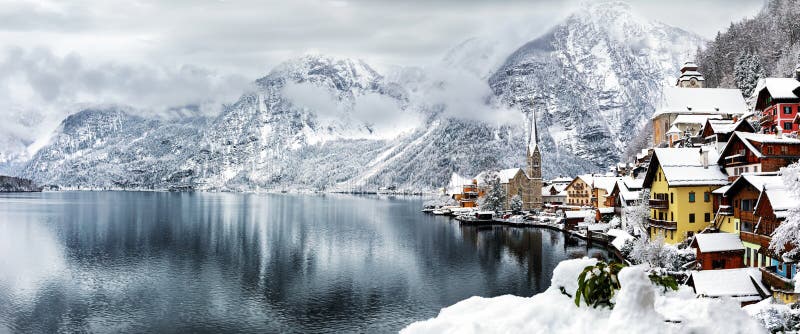
Hallstatt. The name conjures images of a picture-perfect village, a fairytale scene reflected in a still lake, often splashed across postcards and travel brochures. And while those images aren't wrong, my recent five-day trip to Hallstatt in late November/early December revealed a deeper, more authentic soul, especially captivating during the serene pre-Christmas season. The air was crisp and cool, carrying the comforting scent of wood smoke from crackling fireplaces. The occasional dusting of snow painted the rooftops a pristine white, adding to the magical atmosphere. It was a Hallstatt beyond the Instagram filter, a place I connected with on a much more profound level.
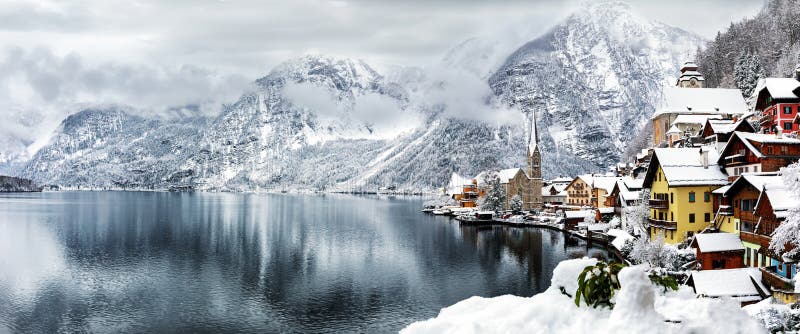
Image of Hallstatt showing buildings, lake and mountains, taken from a low vantage point by the lake. This angle highlights the natural beauty of Hallstatt while also subtly emphasizing potential environmental impacts like lakeside construction.
Activities: Immersing Myself in Hallstatt's Charm
Hallstatt Christmas Market: A Handcrafted Wonderland
The Hallstatt Christmas Market was a highlight of my trip, a sensory explosion of festive cheer. Nestled in the town square, it wasn't overwhelmingly large, which added to its intimate charm. The focus was clearly on handcrafted ornaments – delicate glass baubles, intricately carved wooden figurines, and hand-knitted woolens. The aroma of Glühwein (mulled wine), subtly spiced and warming from the inside out, hung heavy in the air, a comforting counterpoint to the cold. Local artisans proudly displayed their wares, each piece telling a story of tradition and skill. The lighting of the Christmas tree at dusk was a particularly magical moment. As the lights twinkled to life, the sound of traditional Austrian Christmas carols filled the square, sung by a local choir. It felt authentic and heartfelt, a world away from the mass-produced commercialism that often overshadows the Christmas season.
Dachstein Ice Cave: Journey to the Heart of the Mountain
A trip to the Dachstein Ice Cave was an absolute must. The cable car ride up offered breathtaking views of the Hallstätter See and the village nestled below. Stepping inside the cave was like entering another world. The ice formations were breathtaking – shimmering curtains of blue ice, frozen waterfalls, and colossal sculptures carved by nature itself. The cave was illuminated with low-impact LED lighting, which not only preserved the fragile environment but also created a stunning visual spectacle, highlighting the different colors and textures within the ice. Our guide was incredibly knowledgeable, explaining the cave's formation over millennia and emphasizing its vulnerability in the face of climate change. This was a stark reminder of the importance of sustainable tourism and our collective responsibility to protect these natural wonders. I was particularly impressed by the efforts to minimize environmental impact inside the cave, a commitment that resonated deeply with me.
Hallstatt Salt Mine: A Descent into History
The Hallstatt Salt Mine tour was another fascinating experience. Descending into the mine was like stepping back in time. I learned about the history of salt mining in the region, its profound importance to Hallstatt's wealth and development over centuries. The interactive exhibits were engaging and informative, bringing the story of the mine to life. The slides, originally used by miners, were a thrilling (and surprisingly fast!) way to descend further into the depths. It was evident that great care has been taken to preserve the historical integrity of the mine, showcasing the tools, techniques, and stories of the miners who worked there. Seeing the original wooden supports and pathways really brought the history to life. As an architecture graduate, I was particularly interested in the engineering involved in constructing and maintaining the mine over such a long period.
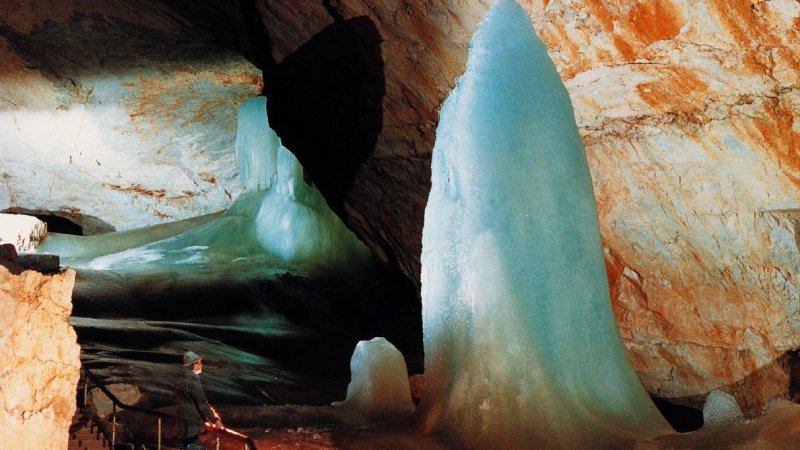
Image of someone looking at ice formations inside the Dachstein Ice Cave. The low-impact LED lighting is subtly visible, showing the commitment to environmental protection in the visual storytelling.
Food: A Taste of the Salzkammergut
Restaurant Seewirt Zauner: Lakeside Delights
Restaurant Seewirt Zauner, with its rustic charm and stunning lakeside views, offered a truly memorable dining experience. The warm lighting and cozy atmosphere made it the perfect place to escape the November chill. I ordered the Hallstätter See Saibling (Alpine char), and it was exquisite. The fish was incredibly fresh, its delicate flavor enhanced by the simple preparation. It was clear that the focus was on showcasing the natural quality of the ingredients.
Gasthof Simony: A Cozy Culinary Embrace
Gasthof Simony, with its wood-paneled walls and traditional decor, provided a quintessential Austrian dining experience. I opted for the Salzkammergut Knödel (dumplings), a hearty and satisfying dish. The dumplings came in a variety of flavors – spinach, bacon, and cheese – each offering a unique and delicious taste. It was the perfect meal to warm up after a day of exploring.
Konditorei Maislinger: Sweet Indulgence
No trip to Hallstatt is complete without a visit to Konditorei Maislinger. Their chocolates are works of art, with flavors like hazelnut and marzipan tantalizing my taste buds. I enjoyed a warm chocolate and coffee drink inside while it snowed lightly outside, a truly magical moment. The artistry of the chocolatier was evident in every detail, a testament to the local craftsmanship. This is a perfect representation of quality Austrian Cuisine.
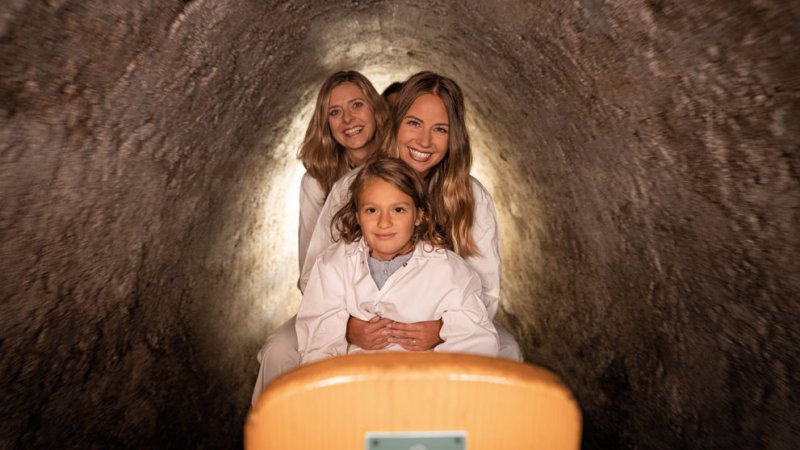
Image showing assorted chocolates at Konditorei Maislinger. The detailed presentation highlights the artisanal nature of the confectionary and emphasizes the importance of supporting local businesses.
Landscape: Reflections and Perspectives
Hallstätter See Reflections: A Mirror to Paradise
On a clear, still day, the Hallstätter See transforms into a mirror, perfectly reflecting the village. The interplay of light and shadow creates a breathtaking scene, the pastel colors of the buildings shimmering on the water's surface. The snow-capped mountains in the background add to the drama and scale of the landscape. It's a view that truly lives up to the postcard image, yet feels so much more real and profound in person.
Hallstatt Skywalk: A Bird's-Eye View
The Hallstatt Skywalk offers a panoramic view of the village, showcasing its unique position nestled between the mountains and the lake. From the observation platform, you can truly appreciate the scale of the landscape and the intricate details of the village below. While the Skywalk itself is a modern addition, it provides a unique perspective on Hallstatt's beauty. I also discovered some beautiful, less crowded viewpoints by venturing slightly away from the centre of town. These offered a more intimate and tranquil experience of the landscape.
Sustainable Tourism Considerations: Balancing Beauty and Responsibility
Hallstatt faces the delicate balance between tourism and environmental preservation. While tourism is vital to the local economy, it also brings challenges. The evidence of human impact is visible – parking lots, crowded viewpoints, and the potential strain on local resources. However, there are also encouraging efforts to mitigate these impacts, such as the use of electric boats on the lake and the creation of pedestrian zones in the village center. As an architecture graduate, I found myself analyzing the architectural styles of the buildings, the materials used in their construction, and the impact of modern development on the traditional character of the village. It's crucial to consider how we can manage tourism sustainably, preserving both the cultural heritage and natural beauty of this unique place. Hallstatt’s commitment to sustainable tourism Hallstatt and promotion of eco-friendly travel Austria are steps in the right direction.
Lena's Perspective: A Call for Responsible Exploration
Hallstatt is more than just a pretty picture. It's a place with a rich history, a vibrant culture, and a stunning natural environment. However, its beauty is fragile and needs to be protected. As travelers, we have a responsibility to minimize our impact and contribute to the sustainability of the region.
I encourage you to visit Hallstatt, but to do so responsibly. Travel during the off-season to avoid the crowds, support local businesses by buying local products and eating at local restaurants, respect the environment by minimizing waste and using public transportation, and take the time to learn about the region's history and culture.
Let's work together to ensure that Hallstatt remains a place of beauty and wonder for generations to come.
For more information on responsible travel in Austria, visit Austrian National Tourist Office.
Share your own experiences of responsible travel in the comments below!