Hakone Retreat Ryokan: A Japanese-American Archi...
As a Japanese-American architect, I’ve always felt a pull between two worlds. Growing up in the States, I embraced modern design, clean lines, and functionality. But deep down, I yearned to connect with the rich heritage of my ancestors, particularly the elegance and tranquility of traditional Japanese architecture. That's why I recently embarked on a journey to Hakone, Japan, a mountain resort town famed for its natural beauty and, more importantly, its Ryokan Hakone. My destination was the fictional, yet incredibly real in experience, Hakone Retreat Ryokan (vistalocation.com/hakone-ryokan), a traditional Japanese Inn promising an immersive cultural experience. My quest was simple: reconnect with my roots and seek design inspiration I could weave into my future projects.
Architectural Harmony: A Symphony of Wood and Light
The moment I stepped inside Hakone Retreat Ryokan, I felt a sense of calm wash over me. The architecture was a masterclass in understated elegance. The use of natural materials, particularly wood, created a warm and inviting atmosphere. The scent of tatami mats filled the air, a familiar comfort from childhood visits to my grandmother’s house.
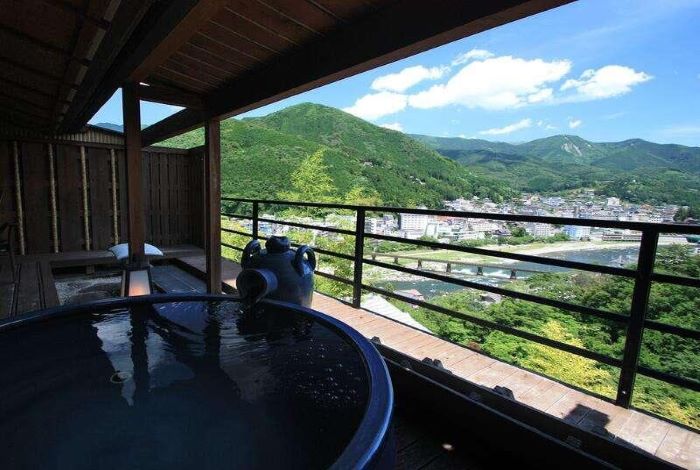
The Ryokan's design seamlessly blended indoor and outdoor spaces. Shoji screens, those delicate paper-paneled doors, diffused the light beautifully, creating soft, ethereal shadows. The engawa veranda, a narrow wooden walkway, extended along the back of the building, offering breathtaking views of the surrounding mountains. What struck me most was how the placement of windows was carefully considered to frame these vistas, turning nature into a living work of art. This element alone became a source of incredible design inspiration.
The Zen garden design was another architectural highlight. The carefully raked gravel, the strategically placed rocks, and the meticulously pruned trees created a miniature landscape that embodied peace and tranquility. It was a space for quiet contemplation, a place to simply be. The restraint and intentionality within the garden spoke volumes.
Design Inspiration: Adapting Tradition for Modern Spaces
As an architect, I was particularly drawn to the Ryokan's use of natural light and materials. The way light filtered through the shoji screens was mesmerizing, creating a soft, diffused glow that transformed the interior spaces. I envision incorporating this technique into a modern office space, using translucent panels to create a calming and productive work environment. The Ryokan’s architecture also provided inspiration for new sustainable architectural designs.
I also plan to explore incorporating tatami flooring into residential projects, perhaps in meditation rooms or reading nooks. The texture and warmth of the tatami mats create a sense of comfort and connection to nature, which can enhance the overall well-being of the occupants. The Ryokan's thoughtful integration of nature and design resonated deeply with me.
The Onsen Experience: A Ritual of Rejuvenation
The onsen experience Japan is integral to any stay at a traditional Ryokan, and Hakone Retreat Ryokan did not disappoint. The onsen itself was a haven of relaxation and rejuvenation. Before entering, I carefully observed the onsen etiquette. This included a thorough pre-wash ritual, cleansing the body with soap and water at a designated station before stepping into the communal bath. Modesty is key, though complete nudity is the norm (and quickly becomes liberating!). Silence is also expected, allowing everyone to fully immerse themselves in the experience.
The water, sourced from a natural hot spring, was rich in minerals. The Ryokan staff informed me that these minerals are purported to have numerous health benefits, including relieving muscle tension and improving circulation. The temperature was perfect – hot enough to be therapeutic, but not scalding.
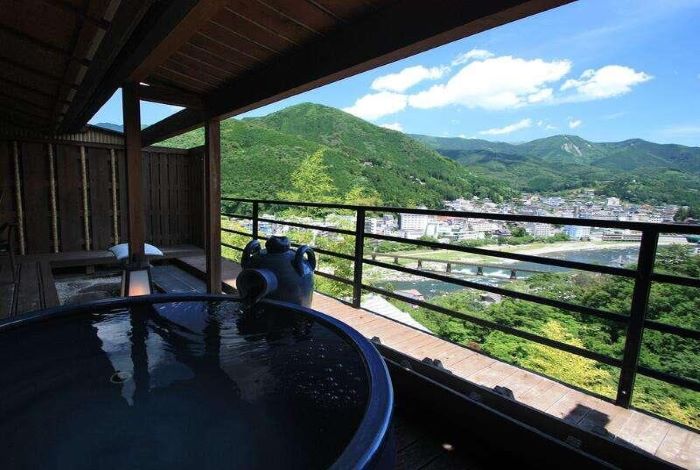
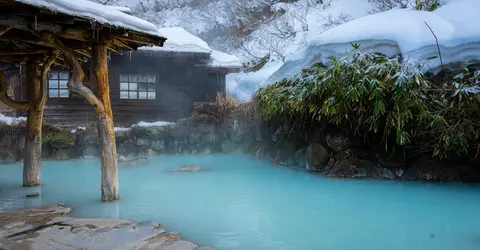
The Ryokan offered both indoor and outdoor onsen. The indoor onsen was a serene space, enclosed by wood and stone, with soft lighting that created a sense of intimacy. The outdoor onsen, however, was truly magical. Soaking in the warm water while surrounded by the crisp mountain air and the sounds of nature was an unforgettable experience. It was cold getting out, but worth every second!

Kaiseki Dinner Review: A Culinary Journey
The Kaiseki dinner review is essential when discussing a Ryokan stay, and the one at Hakone Retreat Ryokan was a highlight of my trip. Kaiseki is a multi-course Japanese dinner that emphasizes seasonal ingredients, artistic presentation, and culinary artistry. Each dish was a miniature work of art, carefully plated and bursting with flavor.
Here are five specific dishes that stood out:
- Sakizuke (Appetizer): A delicate arrangement of marinated seaweed, edamame, and tofu, presented on a small ceramic dish. The flavors were light and refreshing, a perfect palate cleanser.
- Owan (Soup): A clear broth with a delicate aroma, containing a single shiitake mushroom and a thinly sliced piece of seabass. The broth was rich in umami, the savory fifth taste.
- Otsukuri (Sashimi): Fresh slices of tuna, salmon, and yellowtail, arranged on a bed of crushed ice. The fish was incredibly fresh and flavorful, a testament to the quality of the ingredients.
- Yakimono (Grilled Dish): Grilled wagyu beef with a miso glaze. The beef was incredibly tender and flavorful, the miso glaze adding a touch of sweetness and umami.
- Shokuji (Rice Dish): Rice cooked in a clay pot with seasonal vegetables, such as bamboo shoots and mushrooms. The rice was perfectly cooked, and the vegetables added a touch of earthiness and sweetness.
One particularly surprising ingredient was the fugu (pufferfish) sashimi, a delicacy that requires skilled preparation due to its poisonous nature. The chef's expertise was evident, and the fugu was a unique and memorable culinary experience. The presentation was stunning; the Kaiseki dinner demonstrated an unparalleled degree of artistry.
Emotional Reconnection: Finding My Heritage
My stay at Hakone Retreat Ryokan was more than just a vacation; it was a profound cultural immersion travel experience. As I wandered through the Ryokan's halls, soaked in the onsen, and savored the Kaiseki dinner, I felt a deeper connection to my Japanese roots.
I found myself reflecting on my grandmother, who had always instilled in me a sense of pride in my heritage. The Ryokan's atmosphere, with its emphasis on tradition, simplicity, and connection to nature, reminded me of her teachings. I experienced a moment of revelation while sitting in the Zen garden, sketching the patterns in the raked gravel. It was then that I realized that the principles of Japanese design – harmony, balance, and mindfulness – were not just aesthetic choices, but a reflection of a deeper philosophy. I felt, in that moment, that I got it. This was the home I had been missing.
Viral Video Concept: Ryokan Reflections: Finding Zen in Hakone
Here's a short, viral-focused video concept based on my stay:
HOOK (0-3 seconds): A dramatic close-up in cinematic 4K using a high-speed camera of crystal-clear water droplets rapidly cascading from a dark, aged bamboo spout into a traditional stone basin (tsukubai). Immediately transition to my weathered hands performing a traditional cleansing ritual - scooping water, rinsing, and cupping the basin in my hands in rapid succession. Evokes a sense of peace and tranquility.
SCENE (3-10 seconds): A cinematic 4K time-lapse video, shot on RED using dynamic camera work, of the changing light in the Ryokan’s meticulously designed Zen garden throughout the day. The camera slowly orbits the garden, showcasing the carefully placed rocks, moss, and pruned trees. Golden hour light bathes the garden in a warm glow, creating dramatic shadows that shift and change. Wide shot emphasizing the garden's scale and detail, with a shallow depth of field blurring the background. Nostalgic, peaceful, calming.
TWIST (10-15 seconds): A sudden and unexpected reveal. Transition from the garden scene to me sitting at a low table, sketching the garden’s elements in my notebook. The camera dramatically zooms into my sketch, suddenly revealing a 3D rendering of a modern architectural design heavily influenced by the Ryokan garden. The rendering shows a building integrating the same elements – rocks, moss, water features – in a contemporary way. Amazement, curiosity. Pixar-style 3D rendering. The connection between the garden and the design is clear.
Conclusion: A Journey Worth Taking
My stay at Hakone Retreat Ryokan was a transformative experience. It was a chance to reconnect with my Japanese heritage, find design inspiration, and rediscover the beauty of simplicity. If you're seeking a cultural immersion travel experience that will nourish your soul and inspire your creativity, I highly recommend a visit to this Ryokan Hakone. This traditional Japanese Inn is more than just a place to stay; it's a journey of self-discovery. Book your own transformative experience at Hakone Retreat Ryokan (vistalocation.com/hakone-ryokan) today!