Guyana: A Wildlife Photographer's Untamed Paradise
Guyana
Guyana. The name alone conjures images of dense, unexplored rainforests, teeming with life unseen anywhere else on Earth. As a wildlife photographer from Toronto, I’m always on the hunt for authentic, off-the-beaten-path experiences. My recent trip to Guyana, a true Guyana ecotourism gem, exceeded every expectation. From the vibrant streets of Georgetown to the awe-inspiring Kaieteur Falls and the turtle nesting grounds of Shell Beach, Guyana is a wildlife photographer's dream. I can honestly say this is a Guyana travel guide adventure you won't find anywhere else.
My journey began in Georgetown, the capital city. The air hummed with energy, a mix of Caribbean and South American vibes. I was immediately drawn to the colourful architecture of the Stabroek Market, a bustling hub of activity. I navigated the labyrinthine aisles, camera in hand, capturing the vibrant energy of the vendors. The first thing I did? Grab a refreshing coconut water, the perfect antidote to the tropical heat. I didn't get to experience the Mashramani festival, which I hear is an incredible explosion of colour and soca music, but witnessing the daily life in Georgetown was a great taste of the culture of Guyana. I definitely want to come back in February to photograph Mashramani!
Kaieteur Falls: A Breathtaking Spectacle
The highlight of my trip was undoubtedly the multi-day guided tour to Kaieteur Falls. The journey itself was an adventure. We boarded a small aircraft for a scenic flight over the seemingly endless Guiana Shield rainforest. It was an incredible experience, witnessing the unbroken expanse of green stretching as far as the eye could see.
Then, suddenly, there it was – Kaieteur Falls, a majestic curtain of water cascading down the sandstone cliffs. Words can't truly describe the sheer scale and power of the falls. It's approximately five times higher than Niagara Falls!
We landed at Kaieteur National Park and embarked on a hike to various viewpoints. Johnson's View offered a panoramic perspective, while Boy Scout View provided a closer look at the cascading water. The unique ecosystem of the park is fascinating. I was particularly captivated by the giant bromeliads clinging to the rocks. Sadly, I didn't spot the endemic Golden Frog, but I heard its faint calls in the distance. The air was thick with humidity, filled with the roar of the falls and the sounds of the rainforest – an unforgettable sensory experience. Finding the best time to visit Kaieteur Falls for photography is key, and I recommend planning your trip for the drier months. You can find reliable information on tour operators for Kaieteur Falls travel and estimated costs online.
Shell Beach: A Night of Conservation and Wonder
From the thunderous roar of Kaieteur, I travelled to the serene shores of Shell Beach. This coastal haven is a vital nesting ground for several species of endangered sea turtles. I had the privilege of witnessing a truly emotional event: the release of baby sea turtles into the ocean at sunset.
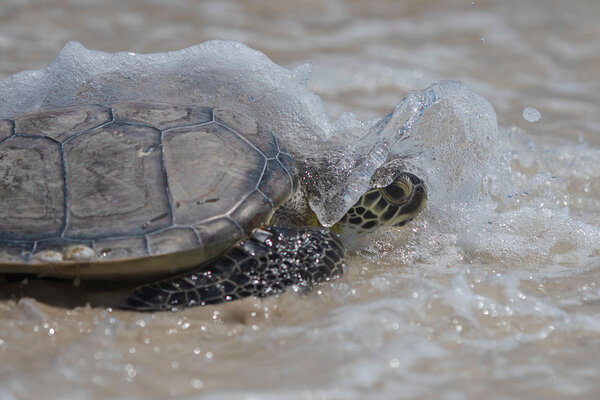
Watching these tiny creatures scramble towards the waves, driven by instinct, was incredibly moving. It highlighted the importance of the conservation efforts in place to protect these magnificent animals. It's a stark reminder of our responsibility to safeguard their future. Shell Beach turtle release programs allow visitors to witness this spectacle responsibly.
Iwokrama Forest: A Birdwatcher's Paradise
My next destination was the Iwokrama Forest Reserve, a vast protected area known for its incredible biodiversity. As a keen birdwatcher, I was in my element. I spent days exploring the trails, armed with my camera and binoculars, hoping to photograph some of the region's iconic species.
The star of the show, for me, was the Guianan Cock-of-the-Rock. I dedicated countless hours to trying to capture its elaborate courtship display. While I didn't get the perfect shot (they're notoriously shy!), just witnessing the vibrant plumage and complex dance was a privilege. I did, however, manage to photograph some stunning Scarlet Macaws, their brilliant colours flashing against the green canopy.
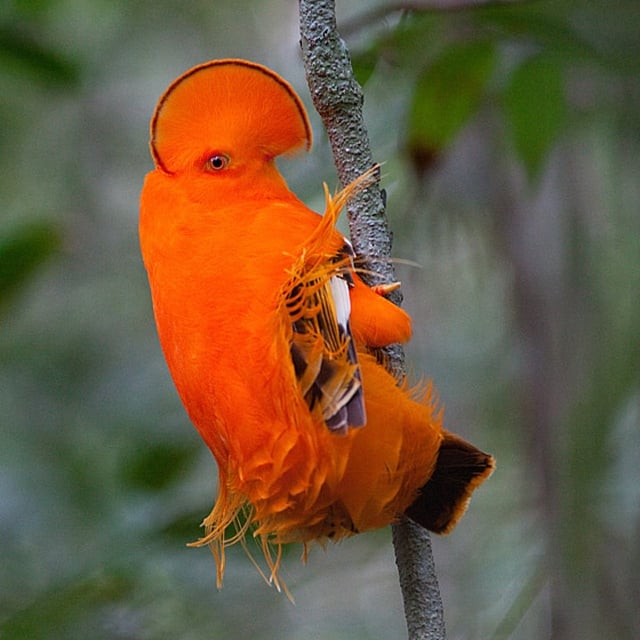
Iwokrama’s diverse landscape, from savannahs to blackwater rivers, offers incredible photographic opportunities. The Iwokrama Forest birding experience is truly unforgettable.
Essequibo River: Sunset Serenity
A sunset river cruise on the Essequibo River provided a perfect end to my days in the rainforest. The humid air hung heavy as we glided along the water, the calls of birds echoing through the trees. We spotted caimans basking in the sun on the riverbanks and various monkey species swinging through the branches. The feeling of being surrounded by untouched nature, the warm light of the setting sun painting the sky – it was pure magic. You can book Essequibo River sunset cruise tours locally.
A Taste of Guyana: Flavors to Remember
No trip to Guyana is complete without indulging in the local cuisine. The rich flavors of Pepperpot, a traditional Amerindian stew, are unforgettable. The creamy texture of Metemgee, a coconut milk-based soup, was equally delicious. And the satisfying heartiness of Cook-up Rice, a one-pot dish featuring rice, beans, and meat, kept me going on my long days of exploring. The use of fresh, local ingredients, often sourced directly from the Stabroek Market, is key to the authenticity of Guyanese cuisine.
Responsible Travel in Guyana: Protecting Paradise
Guyana is still an emerging eco-tourism destination, which makes it even more special. To ensure its long-term sustainability, it's crucial to travel responsibly. I highly recommend staying in community-owned eco-lodges, such as Karanambu Lodge, which supports local indigenous communities and helps preserve the rainforest. Hiring local guides not only enriches your experience but also directly benefits the people who call this place home. Remember to minimize your impact on the fragile rainforest ecosystem by packing out all trash and using eco-friendly products. Practicing Guyana responsible travel ensures the preservation of these untouched environments.
What to pack for Guyana rainforest photography trip? Lightweight, quick-drying clothing, waterproof bags, insect repellent, sunscreen, and of course, your camera gear!
Is Guyana safe for tourists travel advice? Generally, Guyana is safe for tourists, but it's always wise to take precautions and be aware of your surroundings.
How to get to Kaieteur Falls from Georgetown? The most common way is by small aircraft, either on a day trip or as part of a multi-day tour.
Photographic Paradise: Capturing Guyana's Beauty
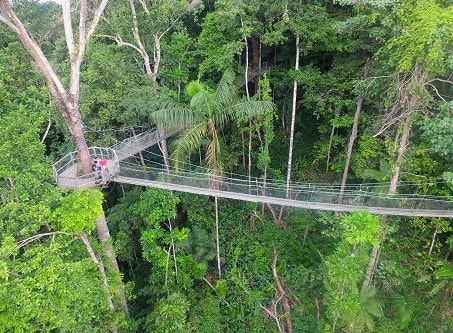
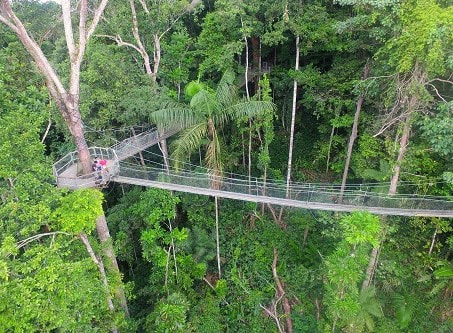
Guyana is a visual feast for any photographer. From the vibrant colours of the birds to the power of Kaieteur Falls, the opportunities are endless. I'm particularly proud of my photos of the expansive rainforest canopy, showcasing the sheer scale of this incredible ecosystem. While I didn't manage to capture the elusive giant river otters on this trip, I'm already planning my return! I hope my Guyana wildlife photography journey has inspired you to explore this untamed paradise for yourself.
Where to stay in Guyana for authentic ecotourism experience? Community-owned eco-lodges like Karanambu offer the most authentic and sustainable experience.
What is Guyana known for wildlife and culture? Guyana is known for its diverse wildlife, pristine rainforests, and rich indigenous culture.
What is the best time to visit Guyana for birding? The dry seasons (February-April and September-November) are generally best for birding.
Ready to embark on your own Guyana adventure? Explore Vistalocation.com for unique eco-lodges and tours. You can find guided tours of Kaieteur Falls and incredible birdwatching expeditions in Iwokrama.