Grizzly Encounters & Glacial Gems: A Solo Photog...
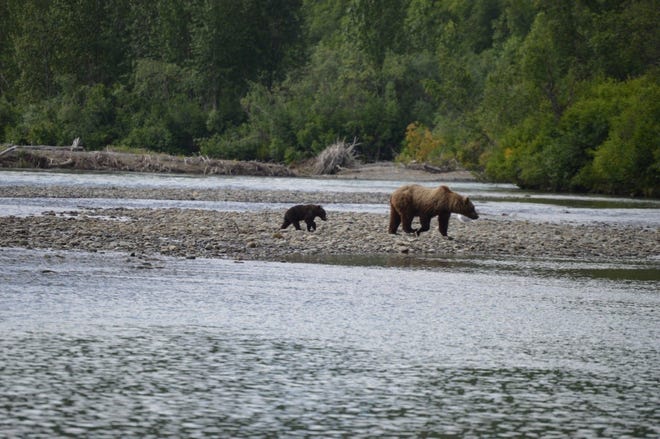
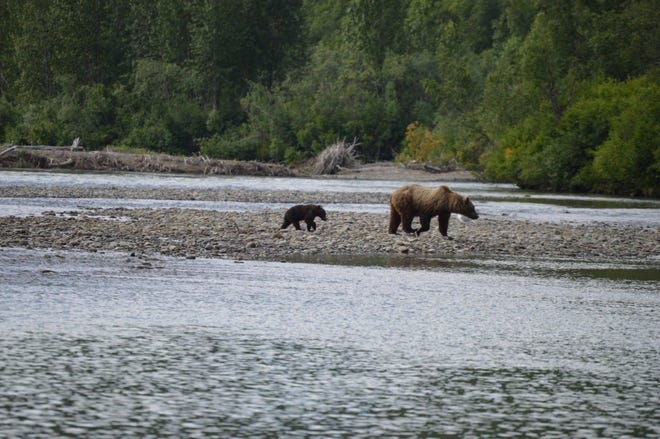
The wind carried the scent of pine and damp earth as I navigated the thick brush near the Bow River, just outside Banff townsite, eager to capture the first light kissing the mountains. Suddenly, the undergrowth exploded. A grizzly, towering and powerful, materialized mere feet away. Its eyes, dark and intense, locked onto mine. Time seemed to stop. My heart hammered against my ribs, a frantic drumbeat against the backdrop of the wilderness. Fear, raw and primal, surged through me, quickly followed by an exhilaration I could barely comprehend. Years of preparation kicked in. With a shaking hand, I deployed my bear spray. A cloud of orange mist filled the air, and the bear, startled, retreated into the woods. The encounter left me breathless, shaken, and strangely alive, proving that even the most seasoned wildlife photographer can be surprised by nature's raw power. Solo hiking in Banff requires constant vigilance and a deep respect for its wild inhabitants, but trust me, the rewards are immeasurable. What to do if you encounter a grizzly in Banff is something every visitor should research before coming!
Day 1: Bison Burgers, Banff Ave Brews, and Lake Minnewanka Reflections
The adrenaline slowly subsided as I made my way back to town. The close call had left me craving comfort food and a stiff drink. Where better to find both than Eddie Burger Bar on Banff Avenue? I sank my teeth into a juicy bison burger, the smoky flavor a welcome distraction. Washed it down with a refreshing pint from Banff Ave Brewing Co. - their crisp Banff Ave Blonde Ale hit the spot. It’s no secret that Banff food recommendations photographers almost universally include this place.
Fully recovered and with the sun beginning its descent, I headed to Lake Minnewanka. The wind had died down, creating perfect conditions for capturing reflections. The lake's surface mirrored the surrounding mountains with stunning clarity. I mounted my wide-angle lens (a trusty Canon 16-35mm f/2.8) and focused on framing the scene, capturing the fiery sunset reflecting in the water. This is one of the many great Lake Minnewanka photography locations.
Day 2: Lake Louise and the Plain of Six Glaciers
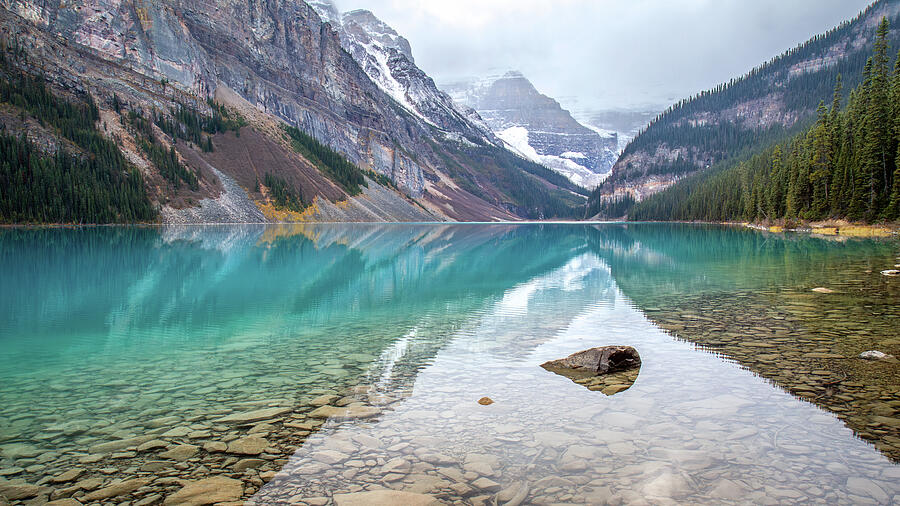
Daybreak found me at Lake Louise, eager to capture the turquoise glacial waters before the crowds descended. Arriving early is essential here; it allows you to experience the serenity of the lake and secure the best vantage points. The Fairmont Chateau Lake Louise, a majestic landmark, added to the scene's grandeur.
I experimented with different camera settings to capture the reflections in their full glory. A low ISO (around 100) and a narrow aperture (f/11) helped to maximize detail and sharpness. Photographing reflections in Lake Louise demands patience, a keen eye for composition, and mastery of your camera settings. The results, however, are worth the effort.
Later, I traded my tripod for hiking boots and set off on a portion of the Plain of Six Glaciers trail. The hike offered breathtaking views of the glaciers clinging to the mountainsides. While I didn't spot any large mammals, I encountered plenty of squirrels and a variety of birds, adding a touch of life to the vast landscape. The U-shaped valley, carved by glaciers over millennia, acts as a crucial wildlife corridor. These Canadian Rockies geological features wildlife influence how animals move and find resources.
Day 3: Waterfalls, Valley of the Ten Peaks, and Moraine Magic
Johnston Canyon was my first stop of the day, a place of roaring water and verdant forests. I spent the morning photographing the lower and upper falls, captivated by the mist rising from the plunging water and the thunderous sound. The canyon's unique microclimate supports a variety of plant and animal life, from dippers flitting along the rocks to warblers singing in the canopy above.
For photographing waterfalls, I recommend using a neutral density filter. This allows you to use a longer shutter speed, creating a smooth, blurred effect that captures the movement of the water. What are the best waterfalls to photograph in Banff? Johnston Canyon is definitely a must-see.
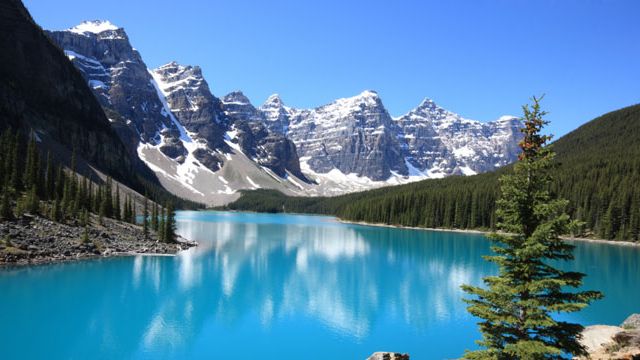
In the afternoon, I drove to Moraine Lake, a jewel nestled beneath the Valley of the Ten Peaks. The short but steep climb up the Rockpile trail was rewarded with the iconic view: the vibrant blue lake framed by the jagged peaks. I attached a polarizing filter to my lens to reduce glare and enhance the color saturation, making the blue truly pop. Moraine Lake's color comes from glacial flour, finely ground rock particles suspended in the water, reflecting sunlight in a spectacular way. This is a great place to practice Moraine Lake photography composition tips beginner.
Fueling the Adventure: Banff's Best Bites and Brews
Let's talk about fueling your photographic expeditions. Eddie Burger Bar is a must for their incredible bison burgers – seriously, you can’t go wrong. For a taste of local craft beer, head to Banff Ave Brewing Co. Their IPA and Pale Ale are both excellent choices, perfect for unwinding after a day of exploring. These aren't just meals; they're part of the Banff experience. These are some of the many awesome Banff food recommendations photographers will recommend.
The Landscape's Influence: Geology and Wildlife
Banff's stunning landscapes are a direct result of glacial activity. The turquoise lakes, the jagged peaks, and the ancient forests are all shaped by the power of ice. This geological history profoundly impacts wildlife behavior, influencing migration patterns, habitat selection, and food availability. Understanding this connection enhances both your appreciation of the park and your ability to photograph its inhabitants.
Staying Safe in Bear Country
Bear safety is paramount when exploring Banff National Park. Always carry bear spray and know how to use it. Make noise while hiking to avoid surprising bears. Store food properly in bear-resistant canisters or hang it from a tree. Remember, you're a visitor in their home. Respect wildlife and maintain a safe distance. The Park's main website is full of information on What to do if you encounter a grizzly in Banff.
Final Thoughts: A Call to Experience and Respect
My solo trip to Banff National Park was an unforgettable experience. Drawn by the allure of grizzly bears and the breathtaking beauty of the Canadian Rockies Ecosystem, I found a landscape that challenged and inspired me. I encourage you to visit Banff to experience its stunning scenery and incredible wildlife, but do so responsibly. Respect the environment, prioritize bear safety, and leave no trace behind. Pack your camera, your sense of adventure, and your respect for nature. Banff awaits. This trip reinforced the importance of ethical wildlife photography.