Gorilla Trekking in Rwanda: A Skeptic's Unexpect...
Before booking my trip to Rwanda, I, David Miller, a 40-year-old software engineer from San Francisco, considered myself a skeptic when it came to eco-tourism. The idea of paying a premium to traipse through a jungle, potentially uncomfortable and mosquito-bitten, all in the name of "conservation," seemed a bit…well, contrived. My expectations were low. I imagined a watered-down wildlife encounter, packaged for tourists, and I questioned whether it truly made a difference. Was this "ethical tourism," as some called it, really worth the cost? I was about to find out.
My journey began with a flight into Kigali International Airport, followed by a scenic, albeit bumpy, transfer to an eco-lodge nestled near Volcanoes National Park. The rolling green hills and vibrant landscapes of Rwanda quickly began to chip away at my initial cynicism.
Arrival and Eco-Lodge Immersion
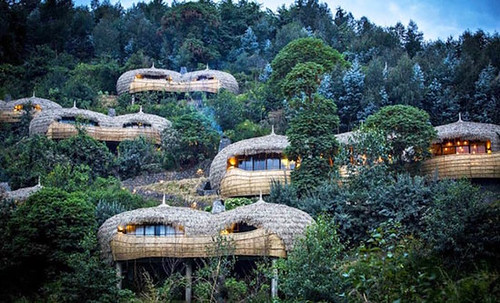
The eco-lodge itself was a revelation. Far from a sterile, mass-market hotel, it was a collection of beautifully designed cottages that blended seamlessly with the surrounding environment. The lodge’s commitment to sustainability was immediately apparent. Solar panels provided electricity, rainwater was harvested for various uses, and the majority of the food served was sourced directly from local farms. This wasn’t just lip service; it was a deeply ingrained philosophy. They employed local villagers, supporting their livelihoods and contributing to the local economy. It was impressive.
The Gorilla Trek: A Physical and Mental Challenge
The next morning, the real adventure began: gorilla trekking in Volcanoes National Park. After a hearty breakfast of locally sourced fruits and Rwandan coffee, we gathered at the park headquarters for a briefing by the park rangers. They explained the dos and don’ts of gorilla encounters, emphasizing the importance of maintaining a safe distance, avoiding direct eye contact, and remaining calm. We learned about gorilla behavior, family structures, and the ongoing conservation efforts to protect these magnificent creatures. The rangers were incredibly knowledgeable and passionate, which was instantly reassuring.
Then came the trek itself.
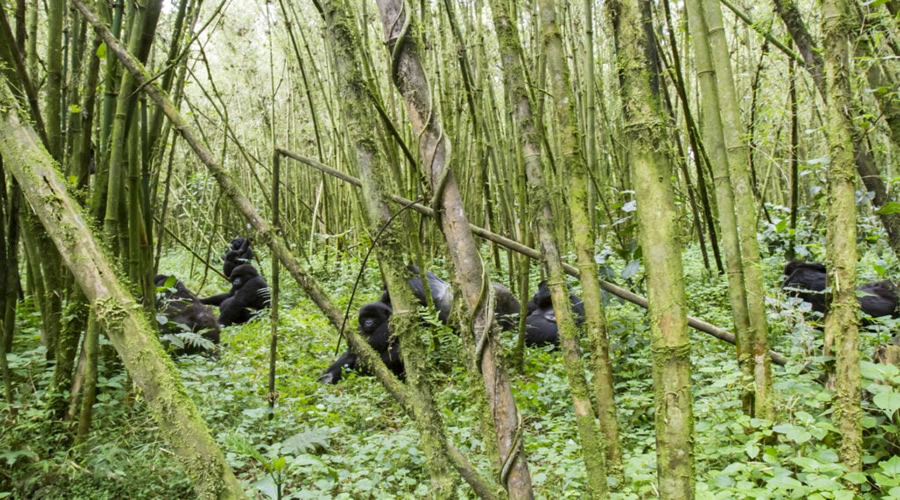
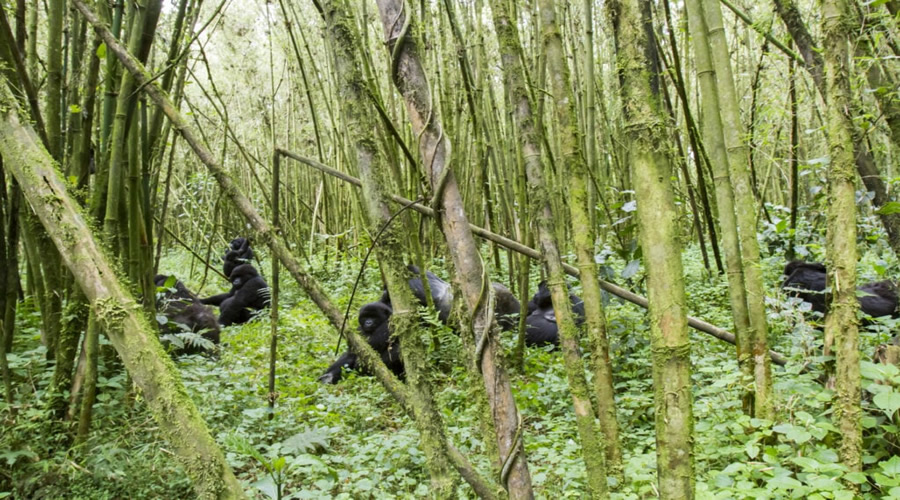
Our group, consisting of about eight tourists, two armed rangers, and a team of porters (local villagers who help carry backpacks and equipment), set off into the dense bamboo forest. The terrain was challenging, to say the least. Steep inclines, slippery mud, and tangled vegetation tested my physical endurance. The altitude (Volcanoes National Park sits at a high elevation) made it even more difficult to breathe. I, a desk-bound software engineer, was definitely feeling it.
The misty conditions added to the atmosphere, creating an almost ethereal quality to the landscape. But they also made the hike even more treacherous. I slipped and stumbled more than once, relying heavily on my walking stick and the assistance of my porter, who, despite carrying a heavy load, seemed to glide effortlessly through the jungle.
During the arduous hike, I had plenty of time to reflect. My initial skepticism started to wane as I witnessed the dedication and hard work of the rangers and porters. They were not just employees; they were deeply invested in the well-being of the gorillas and the preservation of their habitat.
Is Gorilla Trekking in Rwanda Safe?
Yes, gorilla trekking in Rwanda is generally safe. Park rangers are highly experienced and prioritize the safety of both trekkers and the gorillas. They provide thorough briefings on gorilla behavior and safety protocols. The presence of armed rangers is a precaution against potential wildlife encounters (though rare).
How Difficult is Gorilla Trekking in Rwanda?
Gorilla trekking difficulty varies. Treks can range from relatively easy to very challenging, depending on the location of the gorilla family. The terrain is often steep, muddy, and at high altitude, requiring a good level of fitness. Prepare for a physically demanding hike.
What to Pack for Gorilla Trekking in Rwanda Rainy Season?
- Waterproof hiking boots
- Rain jacket and waterproof pants
- Long-sleeved shirt and pants (to protect against insects and vegetation)
- Gardening gloves (to grip vegetation)
- Insect repellent
- Sunscreen
- Hat
- Small backpack
- Water bottle
- Energy snacks
How long does a gorilla trek in Rwanda last?
A gorilla trek in Rwanda can last anywhere from 2 to 8 hours, including the hike to find the gorillas and the one hour spent observing them. The duration depends on the location of the gorilla family and the terrain.
The Encounter: A Moment of Profound Connection
After what felt like an eternity, our trackers signaled that we were close. We followed them through a thicket of bamboo, and then, there they were: the Susa family, one of the largest gorilla families in Volcanoes National Park.
It was an awe-inspiring sight. A massive silverback, the dominant male, sat regally in the clearing, while several females groomed their young. Juvenile gorillas tumbled and played, seemingly oblivious to our presence. For a precious hour, we observed them in their natural habitat, witnessing their interactions, their gentle strength, and their undeniable intelligence.
One particularly memorable moment was when a young gorilla approached our group, curiously inspecting us before playfully scampering back to its mother. It was an incredibly intimate encounter, a reminder of our shared ancestry and the fragility of their existence.
The experience was deeply emotional. Seeing these magnificent creatures up close, observing their family dynamics, and witnessing their vulnerability challenged my initial skepticism. This wasn’t a contrived tourist experience; it was a genuine connection with nature, a powerful reminder of the importance of conservation.
Rwandan Cuisine: A Taste of Local Culture
Beyond the gorilla trek, the culinary experiences at the eco-lodge were another highlight. Each meal was a celebration of Rwandan flavors, showcasing fresh, locally sourced ingredients. I had the opportunity to sample traditional dishes such as brochettes (grilled meat skewers), isombe (mashed cassava leaves), and a variety of fresh local fruits. The food was delicious and authentic, providing a true taste of Rwandan culture.
Knowing that the lodge supported local businesses and farmers added another layer of appreciation to the dining experience. It was clear that my tourist dollars were directly benefiting the community. If you're keen on trying to cook some Rwandan dishes yourself when you return from your trip, search for "Rwandan Cuisine Recipes" online to find some authentic recipes.
Understanding Conservation: The Dian Fossey Gorilla Fund
To further deepen my understanding of gorilla conservation efforts, I visited the Dian Fossey Gorilla Fund museum and research center. The museum provided a fascinating overview of Dian Fossey's life and work, highlighting her groundbreaking research and her unwavering commitment to protecting gorillas. Learning about her legacy and the ongoing efforts to combat poaching and habitat loss was both inspiring and sobering. This visit reinforced the importance of supporting organizations like the Dian Fossey Gorilla Fund, which play a critical role in safeguarding the future of these endangered animals.
Immersing in Local Culture: A Village Visit
As part of a community-based tourism initiative, I also had the opportunity to visit a local Rwandan village. This was an invaluable experience that provided insights into Rwandan culture and daily life. I interacted with the villagers, learned about their traditions, and even participated in a traditional dance. The warmth and hospitality of the Rwandan people were truly remarkable.
This visit was a powerful reminder that tourism can be a force for good, promoting cultural exchange and supporting local communities. I left with a newfound appreciation for the richness and resilience of Rwandan culture.
The Verdict: Eco-Tourism, Skeptic No More
So, did my gorilla trekking experience in Rwanda change my perspective on eco-tourism? Absolutely.
My initial skepticism stemmed from a lack of understanding. I now realize that eco-tourism, when done responsibly, can be a powerful tool for conservation and community development. The money generated from tourism helps fund anti-poaching patrols, supports research efforts, and provides economic opportunities for local communities, incentivizing them to protect the gorillas and their habitat.
I witnessed firsthand how the eco-lodge supported local farmers and businesses, contributing to the local economy. I saw the pride and dedication of the park rangers and porters, who were deeply invested in the well-being of the gorillas. And I experienced the transformative power of connecting with nature and local communities.
Gorilla trekking in Rwanda is expensive, but it's an investment in conservation, in the local community, and in your own personal growth. If you're wondering "Is gorilla trekking in Rwanda worth the cost?", I can say without reservation that for me it absolutely was.
I urge you to support sustainable travel initiatives and to consider a gorilla trekking adventure in Rwanda. It's an experience that will change your perspective, connect you with nature, and leave you with a deep appreciation for the importance of conservation. It certainly changed this software engineer from San Francisco.
Best time to visit Volcanoes National Park Rwanda?
The best time to visit Volcanoes National Park for gorilla trekking is during the dry seasons, which are from June to September and December to February. These months offer the most favorable trekking conditions with less rainfall and drier trails.
Book your ethical Rwanda Gorilla Trekking adventure today with vistalocation.com and experience the magic yourself!