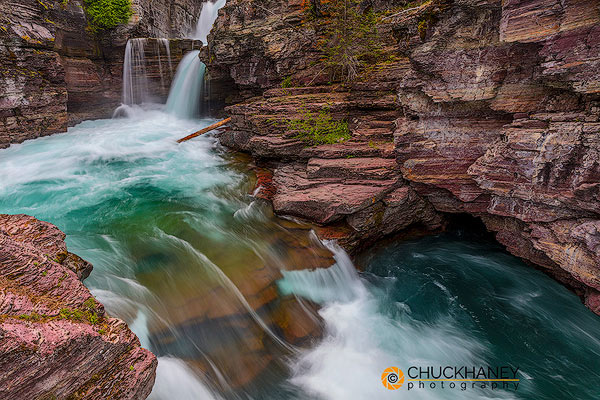
Glacier National Park in Late September: A Photo...
The air crackled with a crispness that promised breathtaking views as I arrived in Apgar Village. The golden light of late September, a photographer's best friend, painted everything in a warm glow. My mission: to capture the magic of Glacier National Park through the lens, focusing on the dance of light and shadow that defines its landscapes, all while keeping accessibility in mind. Little did I know, this 3-day photography workshop would not only test my skills but also reignite my passion for sharing accessible travel opportunities with fellow photographers. And it all started with a cup of coffee.
Apgar's Golden Hour Charm: Lake McDonald Photography
My first stop? Huckleberry Corner. This isn't just a coffee stand; it's a vantage point. On that clear morning, Lake McDonald was a mirror, perfectly reflecting the surrounding mountains. The scene was a photographer's dream, a perfect marriage of water, mountains, and light. The primary subject of my photos would become the reflections of the mountains in Lake McDonald during sunrise and golden hour. Capturing the scene required patience and finding the right angle to eliminate glare, showcasing why Apgar Village should be on everyone's list of the best accessible photography spots in Glacier National Park.
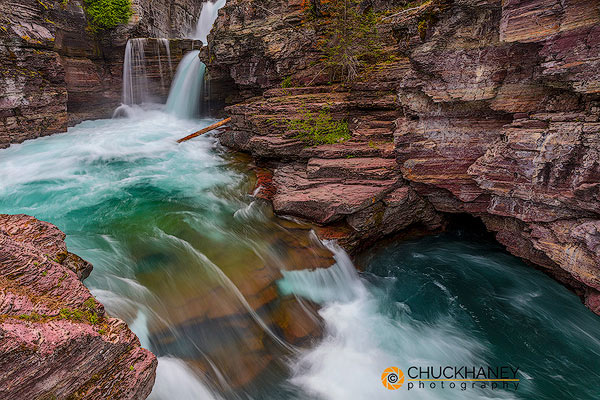
Lake McDonald provided stunning reflections during golden hour, making it an ideal photography location.
Trail of the Cedars/Avalanche Lake: Light, Shadow, and Accessibility
Next on the list was the Trail of the Cedars leading to Avalanche Lake. This trail is a gem for anyone seeking accessible photography locations in Glacier National Park. The boardwalk sections made it navigable for me, despite a past knee injury that often limits my hiking options. This trail proved that Glacier National Park photography is an activity that can be enjoyed by everyone, regardless of mobility challenges.
Within the old-growth forest, the light played a dramatic game of hide-and-seek. Sunbeams pierced through the canopy, illuminating patches of moss and ferns while leaving other areas in deep shadow. This contrast created incredible depth and texture in my images. Avalanche Lake itself was a spectacle. The turquoise water, fed by cascading waterfalls, demanded a wide-angle lens to capture its grandeur. A polarizing filter was essential to cut through the glare and reveal the vibrant colors beneath the surface. Pro Tip: Head there early in the morning for the most dramatic light and fewer crowds.
Tips for Photographing Avalanche Lake
- Use a wide-angle lens: To capture the expansive view of the lake and surrounding cliffs.
- Employ a polarizing filter: To reduce glare and enhance the turquoise color of the water.
- Shoot in RAW format: This will allow for greater flexibility in post-processing.
- Consider a graduated neutral density filter: To balance the exposure between the bright sky and the darker foreground.
Sunset on Lake McDonald: An Alpenglow Dream
The following evening, I joined Glacier Park Boat Company for a sunset tour on Lake McDonald. Finding the perfect spot on the boat was crucial, and I positioned myself on the west side to capture the alpenglow as it painted the surrounding peaks in fiery hues. As the sun dipped below the horizon, the lake transformed into a mirror, reflecting the vibrant colors of the sky. It was a surreal experience, a moment where the boundary between reality and reflection blurred. For this kind of shot, having a fast lens is essential. A tripod can help, but boat movement can be an issue.
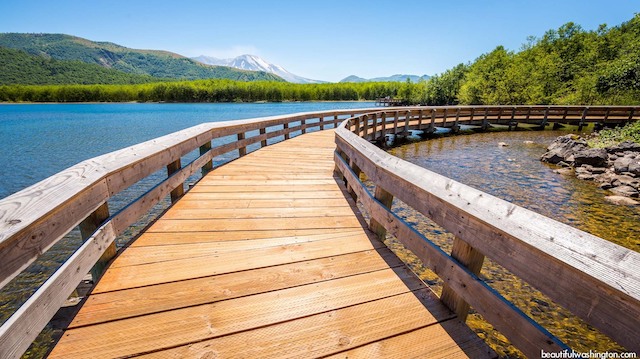
The sunset tour on Lake McDonald offered incredible opportunities to photograph alpenglow.
A Photography-Themed Picnic: Locally Sourced Delights
No photography trip is complete without documenting the local flavors. I visited the Columbia Falls Community Market and gathered ingredients for a photography-themed picnic. My basket included Flathead cherries, locally made goat cheese, and sourdough bread from a Kalispell bakery. I found an accessible picnic spot near the Fish Creek Campground, where the surrounding trees and mountains framed the view perfectly.
The picnic itself became a photo shoot. I arranged the food artfully, using the natural light to highlight the textures and colors. The key was to tell a story – the story of Glacier National Park through its local ingredients. Sharing photos that include this type of activity can help others to think about what camera equipment do I need for Glacier National Park Photography.
Honoring the Land: The Blackfeet Nation
It's impossible to experience Glacier National Park without acknowledging the cultural significance of this land to the Blackfeet Nation. Their history and traditions are deeply intertwined with this landscape. As photographers, it's our responsibility to be respectful and informed. I encourage everyone to learn more about the Blackfeet Nation through resources on their official website ([insert Blackfeet Nation official website URL here when available]). Learning about their history offers respect for what has come before.
Eco-Conscious Photography: Protecting Glacier's Beauty
The photography workshop I attended was deeply committed to eco-friendly practices. We used reusable water bottles, minimized waste, and supported local businesses. Our lodging at the Cedar Creek Lodge implemented energy-efficient practices. This approach resonated with me, as I believe that responsible travel is essential for preserving the beauty of places like Glacier for future generations. Consider this when you are deciding which Glacier National Park photography tour to book.
Capture Glacier's Soul: Join Joe Running Crane's Workshop
My experience in Glacier National Park was transformative, and I owe much of that to the 'Glacier Light & Legacy' 5-day photography workshop. What made it truly special was our guide, Joe Running Crane, an Indigenous photographer with a deep connection to the land. Joe's insights into the spiritual essence of Glacier, combined with his photographic expertise, allowed us to capture images that went beyond the surface. The Glacier National Park photography workshop September with Joe is an immersive experience that will change the way you see the world.
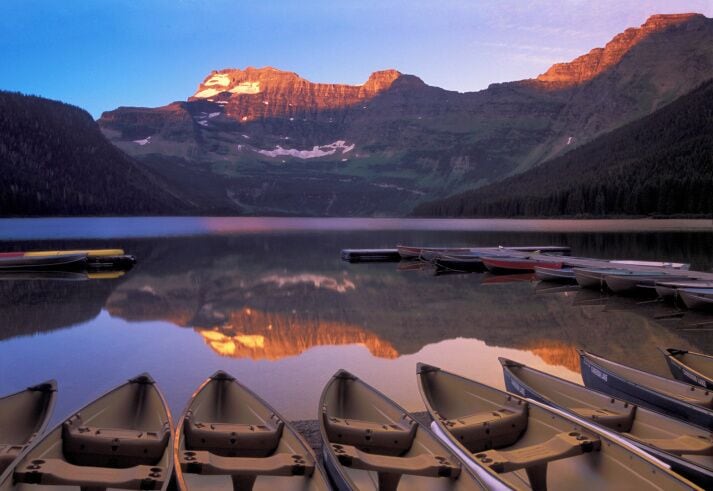
Indigenous guide Joe Running Crane helps participants to capture the spiritual essence of Glacier National Park.
If you're looking to capture the soul of Glacier National Park through your lens, I highly recommend booking the 'Glacier Light & Legacy' workshop led by Joe Running Crane, available on vistalocation.com. Book your workshop now!
This accessible photography adventure in Glacier National Park was an experience I will cherish forever. The combination of stunning landscapes, the challenge of capturing light and shadow, and the opportunity to connect with the land on a deeper level made it truly unforgettable. And to find a photography workshop that honored the planet, and the Indigenous people who first lived on the land felt even better. I hope this inspires you to plan your own photography trip to Glacier – a place where beauty and accessibility meet.