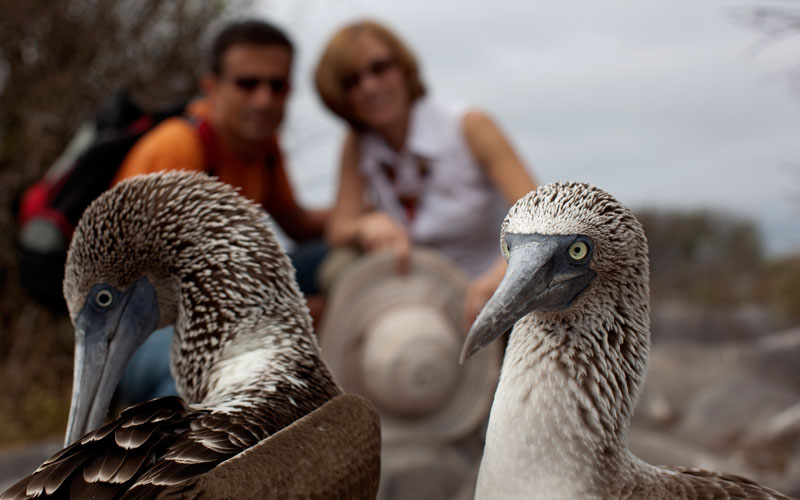
Genovesa Island Galapagos: A Marine Biologist's...
Genovesa Island, also known as Tower Island, in the Galapagos, is a unique location, even by Galapagos standards. As a marine biologist with a passion for ornithology, my recent research trip was nothing short of extraordinary. The sheer concentration of Tower Island Galapagos wildlife, coupled with the dramatic volcanic landscape and unique culinary offerings, makes it a destination that imprints itself on your soul. My goal is to share my firsthand experiences of Galapagos diving Genovesa with you. I'll also provide useful travel tips so you too can witness the majesty of this remote jewel. This isn't just a vacation; it’s an immersion into one of the planet's most fragile and fascinating ecosystems.
Diving Darwin Bay: A Hammerhead Encounter
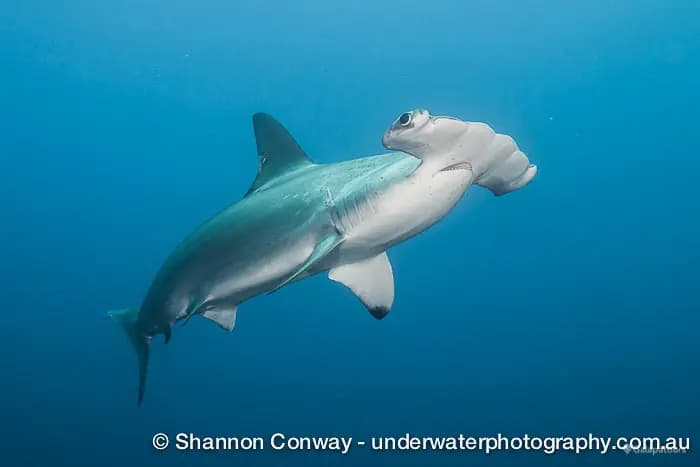
A school of hammerhead sharks swims gracefully through the waters of Darwin Bay, Galapagos, as captured through a marine biologist's lens.
My adventure began beneath the waves of Darwin Bay. I was there to photograph the elusive hammerhead sharks that frequent these waters. To minimize any disturbance to these magnificent creatures, I opted for a rebreather, which eliminates the noisy bubbles of traditional scuba gear. Armed with my Nikon Z 9 and dual Sea & Sea YS-D3 strobes, I descended into the cool depths.
Photographing hammerheads presents a unique set of challenges. The visibility can be unpredictable, and these sharks are often shy, preferring to stay at a distance. It requires patience, skill, and a deep understanding of their behavior. The reward, however, is immeasurable. To witness these apex predators gliding effortlessly through their natural habitat is a truly humbling experience. The strobes illuminated their unique hammer-shaped heads, revealing the intricate details of their skin and the power in their movements.
The Best Diving Spots Genovesa Island Galapagos for Hammerhead Sharks
The western side of Darwin Bay, near the outer edge of the caldera, is known to be a prime location for hammerhead shark sightings. However, always check with local dive operators for the most up-to-date information on conditions and sightings.
A Symphony of Wings: Birdwatching on Genovesa
A pair of red-footed boobies engage in a mating ritual on Genovesa Island, observed with a high-powered spotting scope, showcasing the intricate details of their courtship behavior.
Above the surface, Genovesa is a haven for birds. My primary focus was on observing the red-footed boobies and frigatebirds that call this island home. Equipped with my Swarovski ATX/STX 25-60x85 spotting scope, I embarked on a birdwatching hike, eager to witness their unique mating rituals and nesting behaviors.
The air on Genovesa is filled with a cacophony of bird sounds. The high-pitched whistles of the red-footed boobies contrast sharply with the guttural calls of the frigatebirds. Using the spotting scope, I was able to observe the males inflating their vibrant red throat pouches to attract mates. The intricate dances and displays were mesmerizing, revealing the complex social lives of these fascinating creatures.
What Birds Can You See on Genovesa Island Galapagos?
Genovesa is a paradise for birdwatchers, and a popular stop on any Galapagos Islands Cruise Genovesa. Besides red-footed boobies and frigatebirds, you might spot:
- Lava Gulls
- Short-eared Owls
- Darwin's Finches
- Nazca Boobies
- Waved Albatrosses (seasonal)
- Storm Petrels
Hunting Shadows: Photographing Short-Eared Owls
As dusk settled, I turned my attention to another avian resident: the short-eared owl. Photographing these nocturnal hunters presented a new set of challenges. The low light conditions required a different approach. I relied on my Sony a7S III camera, renowned for its low-light capabilities, coupled with a fast prime lens (a 135mm f/1.8 GM).
The volcanic landscape of Genovesa provided a dramatic backdrop for these hunts. The black lava cliffs, sculpted by centuries of volcanic activity, contrasted sharply with the turquoise waters of Darwin Bay. The owls, with their silent flight and piercing eyes, were perfectly adapted to this environment. Capturing them against this stark landscape was a thrilling challenge, pushing the limits of my equipment and my skills.
Flavors of the Galapagos: A Culinary Exploration
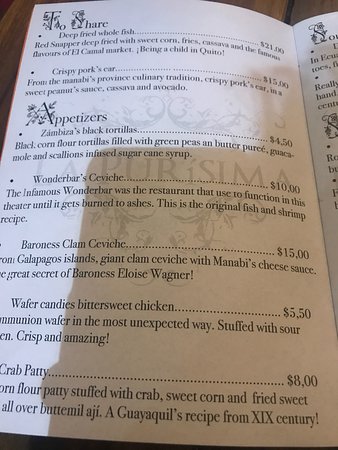
No trip to the Galapagos is complete without indulging in the local cuisine. I had the opportunity to sample several unique dishes that showcased the islands' natural bounty.
Ceviche with Black Clams (Pipi)
One standout was the ceviche made with black clams, locally known as Pipi. The clams are harvested sustainably from the rocky shores and prepared with a simple marinade of lime juice, onions, tomatoes, and cilantro. The flavor profile was unlike anything I had tasted before. The clams were slightly sweet, with a briny undertone that spoke of the ocean.
Passion Fruit Harvest
The passion fruit I tasted was intensely tangy and aromatic. Growing wild on the island, it had a zingy flavor that made my mouth water.
Local Galapagos Coffee
Finally, no morning would be complete without tasting the local Galapagos coffee. Cultivated in the volcanic soil of the islands, this coffee possesses a unique flavor profile, often described as having notes of chocolate, caramel, and citrus. The richness of the coffee provided a perfect start to each day.
How to Minimize Your Impact on Galapagos Wildlife During a Visit?
Responsible tourism is crucial for preserving Genovesa's unique ecosystem. You can minimize your impact by:
- Staying on marked trails.
- Not feeding the animals.
- Respecting wildlife from a distance.
- Using reef-safe sunscreen.
- Supporting local businesses committed to sustainable practices.
Essential Gear for the Galapagos Explorer
Observing and photographing wildlife in a remote location like Genovesa requires reliable equipment. Some essential gear items include:
- Waterproof binoculars, such as those from Zeiss Conquest HD, are essential for clear viewing in varied weather conditions.
- A durable camera backpack, like the Peak Design Everyday Backpack, keeps your gear safe and organized.
- A wide-brimmed hat, like those from Tilley hats, provides crucial sun protection.
Investing in quality equipment is an investment in your experience and helps you capture the magic of Genovesa in its full glory.
The Fragility of Paradise: Conservation and Responsible Tourism
The vast expanse of the Pacific Ocean surrounds Genovesa Island, with a dark lava shoreline meeting the turquoise waters, emphasizing the island's remote location and delicate ecosystem.
My time on Genovesa was a powerful reminder of the fragility of the Galapagos ecosystem. The islands face numerous threats, including climate change, invasive species, and the pressures of tourism. It is our collective responsibility to protect this unique environment for future generations.
Sustainable tourism Genovesa Island Galapagos is not just a buzzword; it's a necessity. By choosing responsible tour operators, supporting local communities, and minimizing our environmental impact, we can help ensure that Genovesa remains a haven for wildlife and a source of inspiration for generations to come. Consider donating to the Galapagos Conservancy to support their conservation efforts.
What is Genovesa Island Known For?
Genovesa Island, also known as Tower Island, is primarily known for its incredible birdlife. It is a popular destination for birdwatchers due to its large populations of red-footed boobies, frigatebirds, short-eared owls, and other unique avian species. Its volcanic caldera and remote location also contribute to its unique appeal.
Viral Video Concept: Genovesa Island in 8 Seconds
HOOK (0-1 second): Extreme close-up of a red-footed booby's bright blue feet, filling the frame.
SCENE (1-5 seconds): Hyperlapse of Darwin Bay at dawn. Show the water transforming as light emerges, then accelerate to reveal the arrival of hammerhead sharks, swimming just below the surface. Camera Work: GoPro Hero 11 Black underwater, time-lapsed and sped up to emphasize the volume of sharks. Captions: "Revealing," "Emerging," "Transforming."
TWIST (5-8 seconds): Cut to the marine biologist, sitting on a dark lava rock, smiling directly at the camera while sipping Galapagos coffee from an enamel mug. Highlight the vast expanse of the Pacific Ocean behind them.
This short video aims to capture the essence of Genovesa Island: its vibrant wildlife, stunning landscapes, and the sense of peace and wonder it inspires.
Is Genovesa Island Safe for Solo Female Travelers?
Genovesa Island is considered safe for solo female travelers. However, standard safety precautions should be taken, such as:
- Booking tours with reputable operators.
- Being aware of your surroundings.
- Informing someone of your itinerary.
- Respecting local customs and guidelines.
Final Thoughts
Genovesa Island is more than just a destination; it's an experience that stays with you long after you've left its shores. From the depths of Darwin Bay to the heights of its volcanic cliffs, the island offers a glimpse into a world unlike any other. As a scientist and a traveler, I urge you to explore this incredible place responsibly, with a deep appreciation for its fragility and a commitment to its preservation. Book your Galapagos diving adventure Genovesa today and create memories that will last a lifetime!