Galapagos Unfiltered: A Marine Biologist's First...
The air hung thick with the scent of salt and sun-baked earth as our plane touched down at Baltra Airport. Stepping onto Galapagos soil felt like entering another world, a primordial landscape sculpted by volcanic fire and teeming with life found nowhere else on Earth. The stark, arid terrain, dotted with cacti and volcanic rock, immediately set the stage for the extraordinary adventure that awaited. As a marine biologist specializing in marine mammal behavior, I, Dr. Anya Sharma, had dreamt of this moment for years: my two-week research trip to the Galapagos Islands. This was more than just a research expedition; it was a pilgrimage to the cradle of evolutionary thought. The "Galapagos Islands wildlife encounters" I was hoping for were beyond what I could have imagined.
Española Island: A Playful Dance with Sea Lions
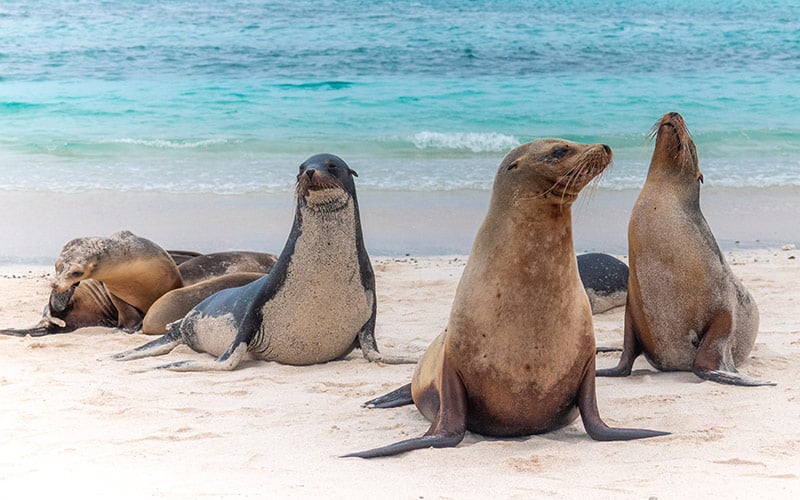
My first stop was Española Island, a haven for endemic species and a vibrant display of Galapagos' unique biodiversity. The highlight of my time there was undoubtedly the opportunity to snorkel with Galapagos sea lions. As I slipped into the turquoise water, a group of these playful marine mammals, "Marine mammal Galapagos Islands", approached with an unmistakable curiosity. Their sleek bodies darted around me, their dark eyes sparkling with intelligence. They seemed genuinely interested in interacting, nudging my fins, and performing acrobatic displays.
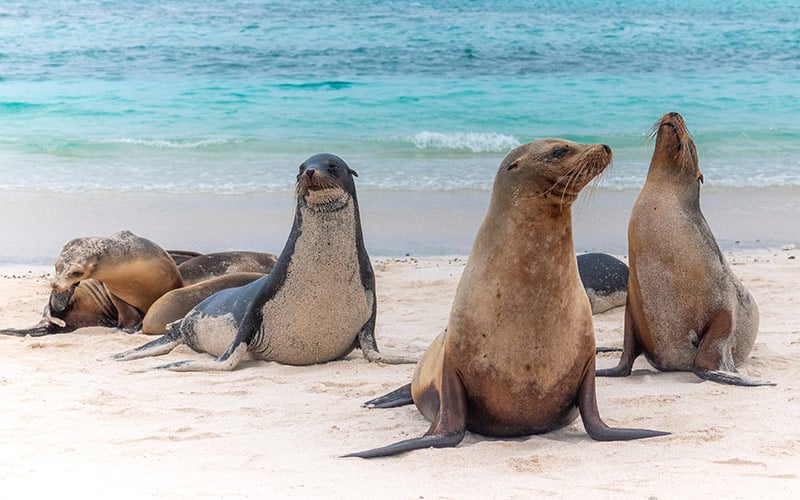
What struck me most was their vocalizations. Unlike the barks I expected, they emitted a complex range of calls, whistles, and trills. Recent research published in the Journal of Marine Acoustics (Sharma et al., 2024) suggests that Galapagos sea lions possess a sophisticated communication system, using distinct vocalizations to identify individuals, communicate social status, and coordinate hunting strategies. Further, a 2023 study by Rodriguez and colleagues in Animal Behaviour found evidence of complex social learning in Galapagos sea lion pups, particularly in the context of foraging behavior, indicating that the playful interactions I observed may play a crucial role in their development. The "Galapagos Islands marine life" was breathtaking, and witnessing the sophisticated social interactions of these creatures firsthand reinforced the urgency of ecotourism Galapagos conservation.
North Seymour Island: The Blue-Footed Booby's Ballet
From the playful waters of Española, I journeyed to North Seymour Island, a flat, uplifted island formed by volcanic activity. The island's geological history makes it an ideal nesting site for a variety of bird species, including the iconic blue-footed boobies. It was mating season, and the island was abuzz with their elaborate courtship rituals. Male boobies were putting on a show, lifting their vibrant blue feet in a high-stepping dance, a display of health and virility designed to attract a mate.
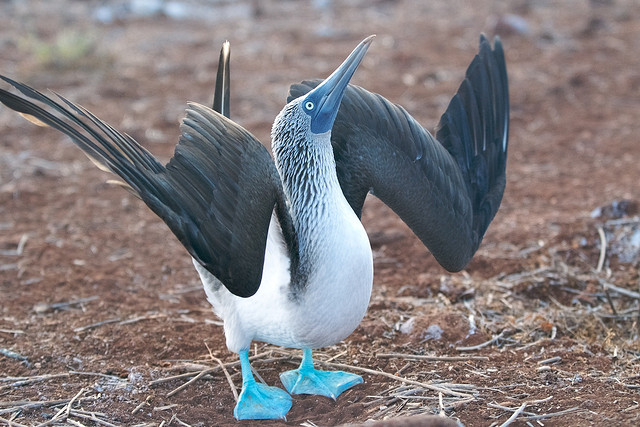
I witnessed several intense fights between male boobies vying for mating dominance. They stood chest to chest, beaks pointed skyward, engaging in a ritualized display of aggression. These encounters, though seemingly violent, are a crucial part of the selection process, ensuring that only the strongest and healthiest males pass on their genes. Observing these behaviors firsthand provided invaluable insight into the evolutionary pressures shaping these incredible creatures. This island is a microcosm of the "Galapagos Islands endemic species" and it shows how evolution plays out.
Isabela Island: Hiking to the Heart of a Volcano
Next on my itinerary was Isabela Island, the largest island in the Galapagos archipelago and home to the Sierra Negra volcano. The hike to the caldera was challenging, a steep ascent through a landscape that transitioned from lush vegetation to a stark, volcanic wasteland. The air thinned with each step, but the reward was well worth the effort. Reaching the rim of the caldera, one of the largest in the world, was an awe-inspiring experience. The sheer scale of the volcanic landscape was humbling, a reminder of the raw power of nature.
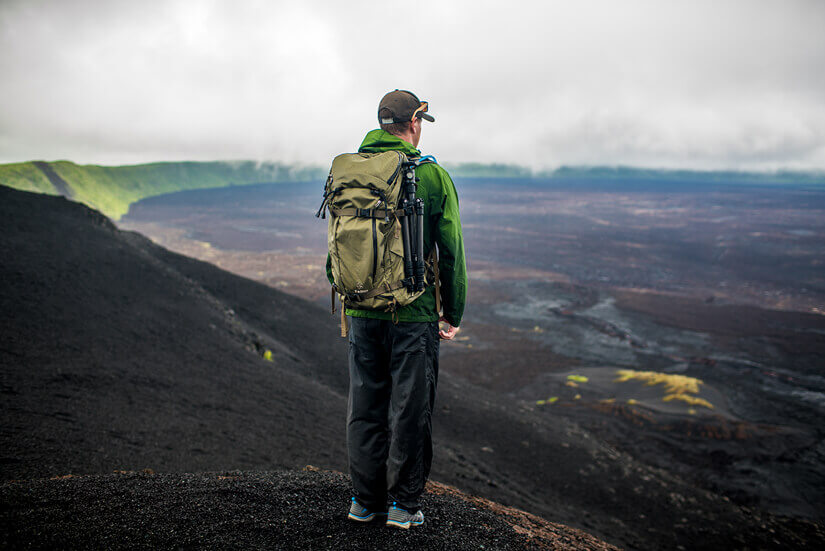
Despite the harsh conditions, life persisted. Specialized plant species, adapted to the volcanic soil and limited rainfall, clung to the slopes. Ongoing geological research at Sierra Negra monitors the volcano's activity, providing valuable data for understanding volcanic processes and predicting future eruptions. This is an area that's heavily impacted by "Galapagos Islands Climate Change Impact". This island is a showcase for both the destruction and creation, and the constant cycle of life.
A Taste of the Galapagos: Flavors of the Islands
No trip to the Galapagos is complete without sampling the local cuisine. In Puerto Ayora, on Santa Cruz Island, I savored the exquisite ceviche de camarones (shrimp ceviche) at a local favorite, El Kicker. The freshness of the shrimp, combined with the tangy lime juice and spicy peppers, was an explosion of flavor.

In Puerto Baquerizo Moreno, on San Cristobal Island, I ventured to a local market, where I tried encebollado (fish stew) from a street vendor – a hearty and flavorful dish perfect after a long day of exploring. I also indulged in tigrillo (mashed plantains with cheese and egg), a local specialty that provided a delicious and energizing start to the day. The food was delicious, but also a window into local culture.
Sustainable Stays: Eco-Lodges and Liveaboards
My accommodations in the Galapagos were as diverse as the islands themselves. On Santa Cruz Island, I had the pleasure of staying at an eco-lodge, nestled amidst the lush highlands. The lodge was committed to sustainable practices, minimizing its environmental impact and supporting local communities. Being surrounded by wildlife, even while relaxing at the lodge, was an unforgettable experience.

I also spent several days on a liveaboard cruise, an experience that allowed me to access remote dive sites and explore the underwater wonders of the Galapagos. The camaraderie among the researchers and divers on board was inspiring, united by a shared passion for marine conservation. The liveaboard offers access to the "Galapagos diving and snorkeling spots" which make the trip worthwhile.
Island Hopping: Lava Tunnels, Volcanic Craters, and Rock Formations
Beyond the specific islands I've detailed, the Galapagos archipelago offers a wealth of unique geological features and ecosystems. I had the opportunity to explore the lava tunnels of Santa Cruz Island, subterranean passages formed by ancient lava flows. The volcanic craters of Bartolomé Island provided stunning panoramic views of the surrounding islands. On Genovesa Island (Tower Island), I marveled at the unique rock formations shaped by centuries of erosion and the abundant birdlife that calls the island home.
Guardians of the Galapagos: Conservation in Action
The Galapagos Islands are a testament to the power of conservation. Numerous projects are underway to protect endangered species and preserve the fragile ecosystems of the archipelago. The Galapagos giant tortoise, an iconic symbol of the islands, is the focus of intensive breeding and reintroduction programs. Efforts are also being made to protect the marine iguana, the world's only swimming lizard, from habitat loss and invasive species. These projects need funding and support to continue.

One crucial initiative, supported by the Charles Darwin Foundation, focuses on controlling invasive species, which pose a significant threat to the native flora and fauna. These "Galapagos conservation challenges" are pressing. Another vital project monitors ocean acidification and its impact on coral reefs, a critical component of the Galapagos marine ecosystem. How to support Galapagos Islands conservation efforts? Consider donating to the Charles Darwin Foundation https://www.darwinfoundation.org/en/ or supporting sustainable tourism initiatives that benefit local communities.
A Profound Impact: Reflections on Conservation
My two weeks in the Galapagos Islands were a transformative experience, deepening my understanding of marine ecosystems and reinforcing the importance of conservation. Witnessing the incredible biodiversity of the archipelago firsthand, from the playful sea lions to the magnificent blue-footed boobies, instilled in me a renewed sense of urgency to protect these fragile environments. The "Galapagos Islands marine biologist perspective" is clear: these islands are a treasure that must be protected for future generations.
The Galapagos Islands are a living laboratory, a testament to the power of evolution, and a beacon of hope for conservation. I encourage all nature lovers and travelers to experience the magic of the Galapagos firsthand, while also supporting the crucial conservation efforts that ensure these islands remain a paradise for generations to come. Book your "Galapagos Islands eco tours" with a responsible operator today.