Galapagos Through a Lens: A Wildlife Photographe...
The Galapagos Islands. The name itself conjures images of unique wildlife, volcanic landscapes, and a pristine environment. As a seasoned wildlife photographer, specializing in birds and whose work has been featured on National Geographic online, I've dreamt of visiting this archipelago for years. Finally, that dream became a reality during a recent 10-day photography tour. Join me, Olivia Perez, as I recount my journey "Galapagos Through a Lens", and share tips for capturing incredible images while respecting this fragile ecosystem.
Photographing the Iconic Blue-Footed Boobies of North Seymour Island
North Seymour Island was my first stop, and it didn't disappoint. This island is a haven for birdlife, most famously the blue-footed boobies. I arrived during their mating season, which is a photographer's dream. The males put on quite the show, lifting their bright blue feet in a high-stepping dance to attract a mate.
Capturing these moments was challenging but rewarding. The harsh equatorial sunlight required careful attention to exposure. I primarily used my Canon EOS R5 with a 100-500mm lens. This combination gave me the reach I needed to capture close-up details of the boobies' courtship rituals while maintaining a safe and respectful distance. The R5's incredible autofocus system was also crucial for tracking the birds' quick movements.
It's crucial to remember that we are visitors in their home. Maintaining a respectful distance is paramount to avoid disturbing their natural behaviors. Observe from afar, use a telephoto lens, and never approach or attempt to feed the wildlife. Sustainable tourism in the Galapagos means prioritizing the animals' well-being above all else.
Marine Iguanas and Volcanic Landscapes of Fernandina Island
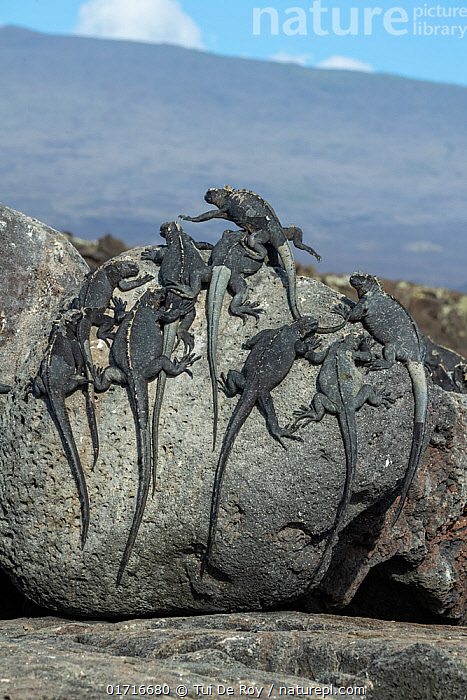
Fernandina Island is one of the youngest and most volcanically active islands in the Galapagos. Its stark, black lava landscapes are mesmerizing, and the island is home to the largest colony of marine iguanas. Watching these prehistoric-looking creatures basking in the sun on the lava rocks was an unforgettable experience.
The geological formations of Fernandina are a testament to the power of volcanic activity. The island's unique environment has shaped the iguanas' adaptations, allowing them to thrive in this harsh environment. They are the only lizard species in the world that forages in the ocean, feeding on algae.
To capture their unique textures and colors against the black lava, I used settings of ISO 400, f/8, and a shutter speed of 1/250. This allowed me to freeze their movements while maintaining sharpness and detail.
Snorkeling with Sea Turtles and Observing Albatross on Española Island
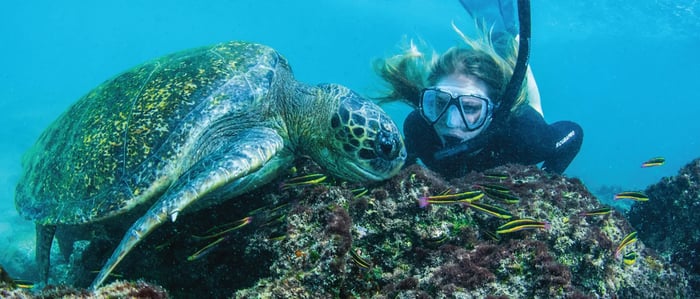
Española Island offered a different perspective of the Galapagos – an underwater one! Snorkeling off the coast, I had the incredible opportunity to swim alongside sea turtles. The underwater visibility was excellent, and I encountered several different types of turtles, gracefully gliding through the water.
For underwater photography, I used a GoPro Hero 9 with a waterproof housing. This compact and durable camera allowed me to capture stunning footage of the turtles in their natural habitat.
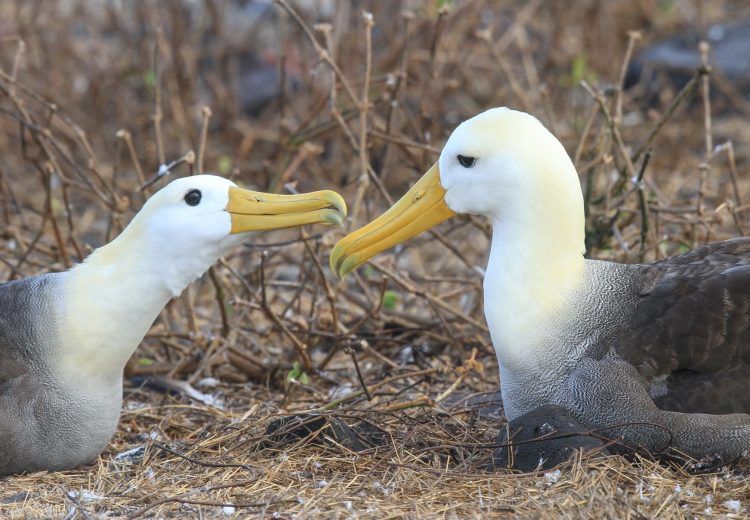
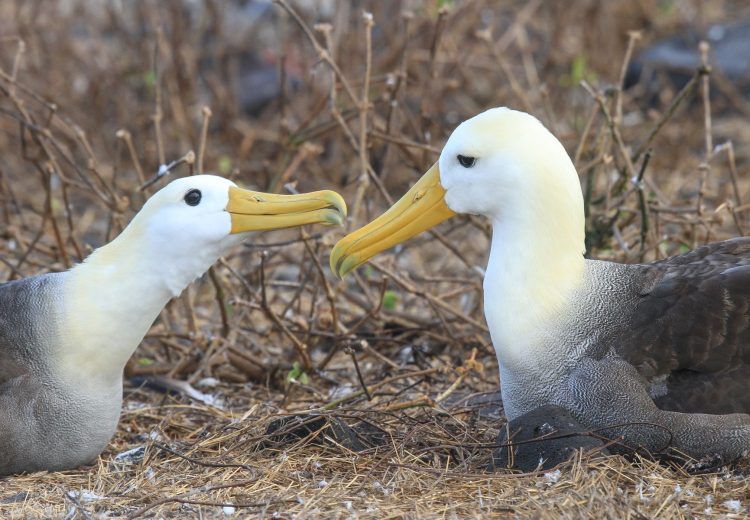
Back on land, I hiked the Punta Suarez trail, which is known for its waved albatross colony. These magnificent birds are only found on Española Island during their breeding season. I also photographed other unique bird species, such as the Nazca booby.
Savoring the Flavors of the Galapagos
No trip is complete without experiencing the local cuisine. In Puerto Ayora, on Santa Cruz Island, I discovered a family-run restaurant called "El Rincon del Mar." There, I enjoyed delicious ceviche made with locally caught tuna and patacones (fried plantains).
Choosing sustainably sourced seafood is crucial for the Galapagos ecosystem. Overfishing and unsustainable fishing practices can have devastating impacts on marine life. By supporting restaurants that prioritize sustainable sourcing, we can help protect the islands' biodiversity.
Exploring Volcanic Wonders on Santa Cruz Island
Santa Cruz Island offers a diverse landscape, from volcanic craters to lush highlands. I visited the Sierra Negra volcano caldera, one of the largest in the world. The sheer vastness of the caldera was awe-inspiring.
I also explored the lava tunnels on Santa Cruz Island, unique formations created by flowing lava. Walking through these tunnels was like stepping back in time, witnessing the raw power of volcanic activity. The island is also home to forests of Opuntia cacti, which have adapted to the harsh volcanic environment.

Conservation Challenges and Responsible Tourism in the Galapagos
The Galapagos Islands face numerous conservation challenges, including plastic pollution and the impact of introduced species. These threats can disrupt the delicate balance of the ecosystem and endanger the unique wildlife that calls the islands home.
The Galapagos Conservancy is working tirelessly to address these challenges through research, conservation projects, and education initiatives. You can find more information about them and how to help at Galapagos Conservancy.
Responsible tourism plays a vital role in the preservation of the Galapagos. By choosing ethical and sustainable travel options, we can minimize our impact on the environment and contribute to the islands' conservation.
I traveled with Ecoventura, a tour operator committed to sustainable practices. Their use of hybrid-powered yachts minimizes environmental impact, and they actively support local conservation efforts. Learn more about their tours at Ecoventura.
Call to Action: Protecting Paradise
The Galapagos Islands are a treasure trove of natural wonders, but they are also a fragile ecosystem that needs our protection. I encourage you to choose ethical and sustainable travel options when visiting the Galapagos Islands and to support organizations dedicated to their conservation. Seek out photography tours that promote minimal impact on the environment. Remember to respect the wildlife and their habitat.
Here are some tips for planning your trip:
- Research ethical tour operators: Look for companies that prioritize sustainability and conservation.
- Pack reusable water bottles: Reduce your plastic consumption.
- Participate in local conservation initiatives: Consider volunteering or donating to local organizations.
Essential Photography Equipment for the Galapagos
- Camera: A reliable DSLR or mirrorless camera with good image quality and weather sealing.
- Lenses:
- A wide-angle lens (16-35mm) for landscapes and environmental portraits.
- A telephoto lens (100-400mm or 100-500mm) for wildlife photography.
- A macro lens for close-up shots of insects and plants (optional).
- Tripod: A sturdy tripod for sharp images, especially in low light.
- Filters: A polarizing filter to reduce glare and enhance colors, and a neutral density (ND) filter for long exposures.
- Underwater housing: If you plan to snorkel or dive, bring an underwater housing for your camera or GoPro.
Tips for Dealing with the Climate and Protecting Your Gear
- Protect your gear from the elements: The Galapagos can be hot, humid, and dusty. Use a waterproof bag or cover to protect your camera and lenses from the elements.
- Bring plenty of sunscreen and insect repellent: Protect yourself from the sun and mosquitoes.
- Stay hydrated: Drink plenty of water throughout the day.
- Acclimatize to the climate: Give yourself time to adjust to the heat and humidity before starting your photography.
My journey through the Galapagos Islands was an unforgettable experience. It reinforced the importance of responsible tourism and the need to protect these unique ecosystems for future generations. By choosing ethical travel options and supporting conservation efforts, we can all contribute to preserving paradise.