Galapagos: Through a Lens - A Wildlife Photograp...
For a wildlife photographer, the Galapagos Islands hold an almost mythical allure. The archipelago, a living laboratory of evolution, is a place where wildlife roams free and unafraid, offering unparalleled opportunities to capture intimate portraits of nature. My passion lies in avian photography, and the Galapagos, with its unique and endemic bird species, has always been at the top of my dream destination list. The recent dry season (June-August) presented the perfect opportunity to embark on this adventure, a journey not only to capture stunning images but also to witness firsthand the crucial conservation efforts underway.
Española Island: Witnessing the Blue-Footed Booby's Mating Dance
Española Island, also known as Hood Island, is a hotspot for wildlife, particularly the iconic Blue-footed Boobies. Landing on the island, I was immediately greeted by these charming birds, their vibrant blue feet a striking contrast against the volcanic landscape. It was mating season, and I was fortunate enough to witness their elaborate mating dance. The males strutted, high-stepped, and presented their blue feet to the females, a courtship ritual as comical as it was captivating.
Capturing these moments required patience, a steady hand, and the right equipment. I primarily used my Canon EOS R5 with a 100-500mm lens, allowing me to maintain a respectful distance while still achieving stunning close-ups. I often employed fast shutter speeds (1/1000s or faster) to freeze the action of the dancing boobies, and back-button focus ensured my images were sharp and in focus.
Ethical considerations are paramount in wildlife photography. I made a conscious effort to maintain a respectful distance, avoiding any behavior that could disturb the birds or their habitat. The goal is to capture the beauty of nature without impacting it negatively.
Santa Cruz Island: Darwin's Finches and the Power of Adaptation
Santa Cruz Island offered a different, equally fascinating photographic opportunity: Darwin's finches. These small birds, made famous by Charles Darwin's observations, are a testament to the power of adaptation. Each species has evolved a unique beak shape, perfectly suited to its specific food source.
Photographing these birds was a challenge. They are small, quick, and often found in dense vegetation. I had to be patient and observant, waiting for the perfect moment to capture each species. The Canon EOS R5's excellent autofocus system proved invaluable in tracking these elusive subjects.
North Seymour Island: The Magnificent Frigatebird's Grand Display
North Seymour Island is a small, flat island teeming with birdlife, most notably the Magnificent Frigatebirds. The male Frigatebirds are particularly impressive, with their bright red throat pouches that they inflate to attract a mate. Witnessing this display was a highlight of my trip.
Photographing the Frigatebirds required a different approach than the Blue-footed Boobies. I needed to capture the birds in flight, soaring effortlessly above the island. This required a combination of fast shutter speeds, steady hands, and a bit of luck.
Snorkeling at Kicker Rock: An Underwater Paradise
Beyond the birdlife, the Galapagos Islands offer incredible opportunities for underwater photography. Snorkeling at Kicker Rock, a volcanic formation rising dramatically from the sea, was an unforgettable experience. I was able to photograph marine turtles gracefully gliding through the water and white-tipped reef sharks resting on the ocean floor.
Hiking Sierra Negra Volcano on Isabela Island: A Volcanic Wonderland
Isabela Island, the largest in the Galapagos archipelago, is home to the Sierra Negra volcano, one of the largest active volcanoes in the world. Hiking to the caldera of Sierra Negra offered stunning views of the diverse volcanic landscape. The flora here is particularly interesting, adapted to the harsh conditions of the volcanic soil.
Sustainable Seafood in Puerto Ayora: A Culinary Delight
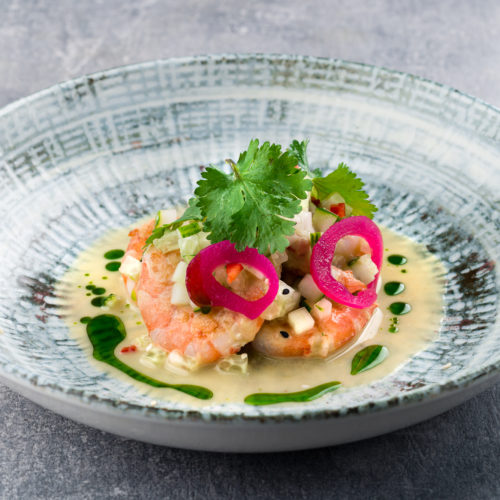
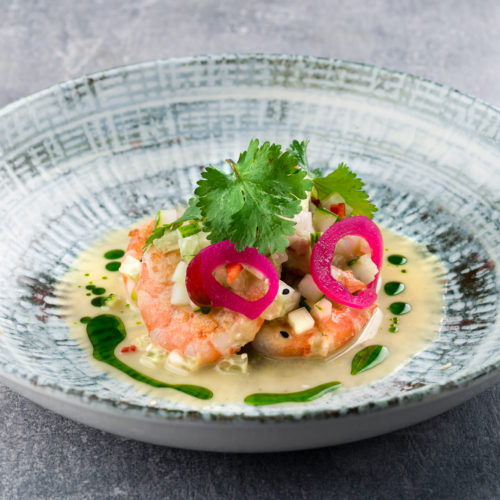
After a long day of photographing wildlife, there's nothing better than enjoying a delicious meal. Puerto Ayora, the largest town in the Galapagos, offers a variety of sustainable seafood options. I highly recommend trying the ceviche made with locally sourced wahoo and the encocado de camarones, a creamy coconut shrimp stew. Eating at local restaurants that prioritize sustainability is a great way to support the local economy and minimize your environmental impact.:max_bytes(150000):strip_icc()/Simply-Recipes-Ecuadorian-Ceviche-LEAD-a-31c9637d725c4c9f827799e9bb37490e.jpg)
Contrasting Landscapes: From Volcanic Barrenness to Lush Highlands
The Galapagos Islands are a land of contrasts. The stark, volcanic landscapes of Bartolomé Island, with its iconic Pinnacle Rock, are a world away from the lush, green highlands of Santa Cruz Island.

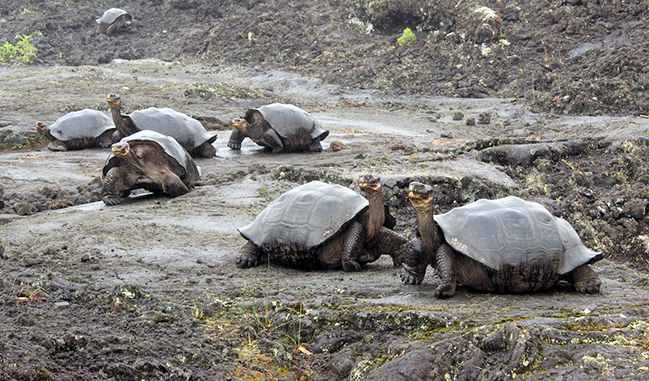
Seeing giant tortoises grazing peacefully in the highlands was a truly special experience.
The Charles Darwin Research Station: A Beacon of Conservation
A visit to the Charles Darwin Research Station is essential for anyone interested in the Galapagos Islands. The station plays a crucial role in conservation efforts, particularly the Giant Tortoise breeding program. Seeing these majestic creatures up close and learning about the efforts to protect them was truly inspiring.
A Call to Action: Protecting the Galapagos for Future Generations
The Galapagos Islands are a natural treasure that must be protected for future generations. I urge you to support the Charles Darwin Foundation (https://www.charlesdarwinfoundation.org) and promote responsible travel practices in the Galapagos Islands. Consider the impact of your travel and how you can minimize your footprint. Choose eco-friendly tours, support local businesses, and respect the wildlife and their habitat.
Photography has the power to inspire conservation efforts. By capturing the beauty of the Galapagos Islands, I hope to raise awareness of the importance of protecting this unique ecosystem. Let us all do our part to ensure that the Galapagos Islands remain a paradise for wildlife and a source of inspiration for generations to come.