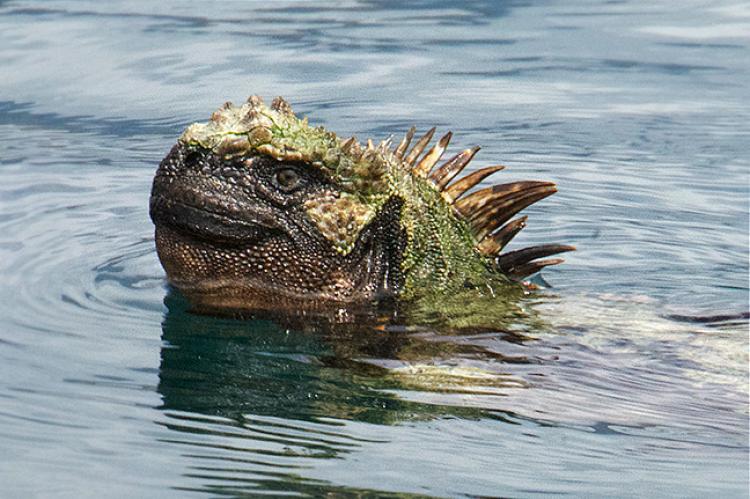
Galapagos Through a Biologist's Eyes: An Evoluti...
The Galapagos Islands. Even the name conjures images of bizarre creatures and untouched landscapes, a living laboratory of evolution. As a marine biologist specializing in evolutionary biology and coral reef resilience, I've spent years studying the incredible biodiversity of our planet, but the Galapagos held a particular allure. My research focuses on the adaptive radiation of marine iguanas, and seeing these unique reptiles in their natural habitat has always been a dream. I finally made that dream a reality on a recent trip, and I'm excited to share my experiences in this evolutionary wonderland. I hope this glimpse through a biologist's lens will inspire you to visit and support sustainable tourism in this precious ecosystem.
Española Island: A Blue-Footed Booby Ballet
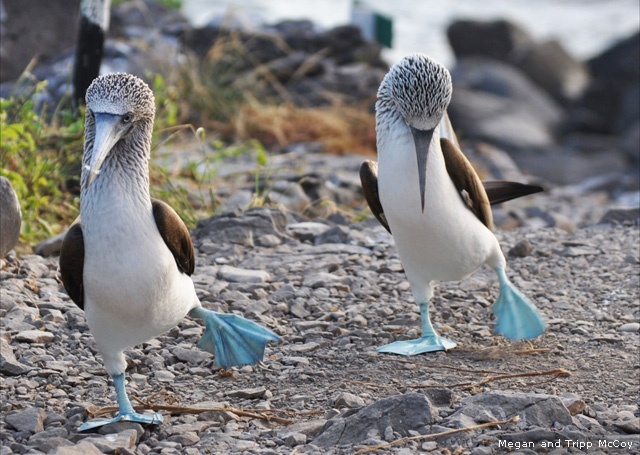
My journey began on Española Island, known for its diverse birdlife. I was immediately captivated by the blue-footed boobies. While I’d seen pictures, nothing prepared me for witnessing their mating rituals firsthand. The male boobies put on quite the show, strutting about with their bright blue feet held high, almost a comical high-stepping march. This intricate dance, a display of health and genetic fitness, is fascinating to observe. The bluer the feet, the more attractive the male! It’s a striking example of sexual selection in action and a reminder of the power of evolution in shaping even the most seemingly absurd traits.
Fernandina Island: Snorkeling with Marine Iguanas
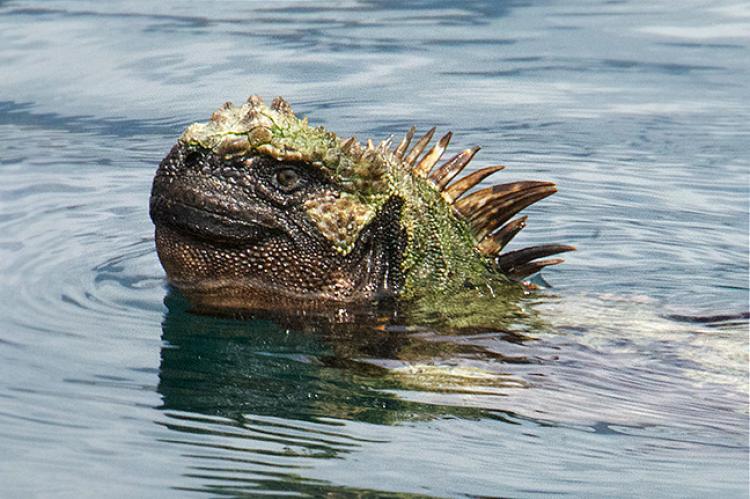
Fernandina Island is one of the youngest and most volcanically active islands in the Galapagos archipelago, offering a stark and dramatic landscape. It was here that I had the unforgettable opportunity to snorkel alongside the very subject of my research: the marine iguana (Galapagos Islands Marine Iguana Adaptive Radiation). These remarkable reptiles are the only lizards in the world that forage in the ocean. Witnessing their unique adaptations for diving and feeding on algae up close was truly awe-inspiring. They have flattened tails for propulsion, blunt snouts for scraping algae off rocks, and specialized nasal glands to excrete excess salt.
The clear turquoise waters allowed for incredible visibility as the marine iguanas gracefully moved underwater, seemingly oblivious to my presence. Seeing them graze on the algae, a behavior unique to this species, solidified my understanding of their evolutionary journey. The best time to see Galapagos marine iguanas is during the dry season when the water is cooler, leading to increased algae growth and thus, more marine iguana activity.
Santa Cruz Island: Conservation at the Charles Darwin Research Station
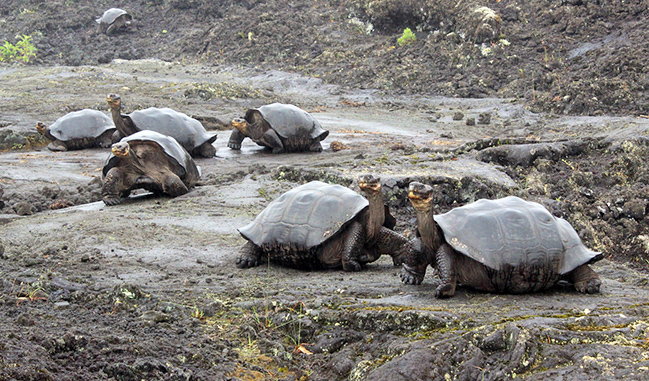
A visit to the Charles Darwin Research Station (Charles Darwin Research Station Galapagos Visit) on Santa Cruz Island is a must for any visitor. This research facility plays a vital role in the conservation of the Galapagos Islands' unique biodiversity. I was particularly impressed by the giant tortoise breeding program. These magnificent creatures, some of the longest-lived animals on Earth, have suffered significant population declines due to human exploitation and introduced species. The research station is actively working to breed and raise young tortoises until they are large enough to be released back into their native habitats. The dedication and passion of the scientists and staff at the station is truly inspiring, and seeing the tangible results of their efforts gave me hope for the future of these endemic species.
The Galapagos giant tortoise is an iconic Galapagos species.
Isabela Island: Mangroves, Volcanoes, and Marine Nurseries
Isabela Island, the largest in the archipelago, is a land of dramatic contrasts. Kayaking through the mangrove forests (Kayaking Mangrove Forests Galapagos Islands) was a highlight, revealing the vital role these ecosystems play as nurseries for marine life. The intricate root systems provide shelter and protection for countless juvenile fish, crustaceans, and other invertebrates. It's a delicate balance, and these mangrove forests are crucial for maintaining the health and resilience of the surrounding marine environment.
Hiking Amongst Lava Cacti
Beyond the coastal ecosystems, Isabela Island boasts a unique volcanic landscape. Hiking through the lava fields offered a glimpse into the remarkable adaptations of plants and animals to this harsh environment. The lava cactus, with its spiny, heat-resistant structure, is a prime example of adaptive radiation. Only a few specialized plants can survive in this nutrient-poor environment, creating a truly unique flora found nowhere else on Earth.
Kicker Rock (León Dormido): Diving into Marine Biodiversity
For a truly immersive experience, I highly recommend scuba diving at Kicker Rock (León Dormido) (Galapagos scuba diving Kicker Rock marine life). This iconic rock formation, rising dramatically from the ocean, is a haven for marine life. The sheer abundance and diversity of species were astounding. I observed hammerhead sharks patrolling the depths, graceful Galapagos sharks gliding effortlessly through the water, and playful sea turtles swimming alongside me. The currents can be strong, so it's best to dive with an experienced operator, but the reward is an unparalleled glimpse into the underwater world of the Galapagos.
Experiencing the Coastal Ecosystems
The Galapagos Islands boast diverse coastal ecosystems, from rocky shores teeming with Sally Lightfoot crabs, to pristine sandy beaches where sea lions bask, and the intricate root systems of mangrove forests.
Sustainable Seafood and Local Flavors
No trip is complete without experiencing the local cuisine. I made a point of seeking out sustainable seafood options (Sustainable Seafood Galapagos Islands Restaurants) and local Ecuadorian dishes adapted for the islands. One of my favorite meals was ceviche made with locally caught fish and served with crispy plantain chips. It was a refreshing and flavorful taste of the Galapagos. I would recommend only visiting restaurants that prioritize sustainable fishing practices. The Galapagos Islands are a marine reserve. Ask the staff about the origin of the fish before ordering.
Responsible Tourism: Protecting the Evolutionary Wonderland
The Galapagos Islands are a UNESCO World Heritage Site, and it's crucial that we protect this fragile ecosystem for future generations. Responsible tourism is essential for minimizing our impact and supporting the long-term conservation of the islands. When planning your trip to the Galapagos, seek out tour operators and conservation organizations that prioritize sustainability and environmental protection (Sustainable Tourism Galapagos). Look for companies that actively work to reduce their carbon footprint, support local communities, and educate visitors about the importance of conservation. There is a high chance for "How can I practice responsible tourism in the Galapagos?" to show up for search results, and here is the answer:
Galapagos Islands responsible tourism practices checklist:
- Use reef-safe sunscreen to protect the delicate coral reefs.
- Avoid single-use plastics and bring your own reusable water bottle and shopping bag.
- Respect the wildlife and maintain a safe distance from animals.
- Support local businesses and purchase souvenirs made from sustainable materials.
- Choose tour operators that prioritize conservation and responsible tourism practices.
- Educate yourself about the Galapagos Islands' unique ecosystem and the challenges it faces.
By taking these simple steps, you can minimize your impact and contribute to the long-term health and resilience of the Galapagos Islands.
The threats to the Galapagos Islands' ecosystem include: climate change, invasive species, plastic pollution, and unsustainable tourism practices.
The Galapagos Islands are a truly extraordinary place, a living testament to the power of evolution. Seeing these islands through a biologist's eyes has deepened my appreciation for the incredible biodiversity of our planet and the importance of protecting these fragile ecosystems. I encourage you to visit the Galapagos Islands responsibly and contribute to their long-term conservation. Book your sustainable Galapagos Islands wildlife tours and help ensure that this evolutionary wonderland remains a treasure for generations to come. Contact vistalocation.com today to start planning your adventure!